A new phase for Spider-Man is taking shape—and it’s not limited to what audiences will see in theaters. Behind the curtain, the character’s cinematic footprint is being reshaped in ways that directly affect how fans revisit decades of storytelling.

Few franchises have leaned into reinvention as consistently as Spider-Man. Across generations, Peter Parker has been rediscovered through multiple lenses—from the early 2000s trilogy to the Amazing reboot and, more recently, his integration into the Marvel Cinematic Universe. But as studios rethink their long-term strategies, the question isn’t just what comes next—it’s where the past will live.
That question has become more relevant as Spider-Man enters a period of transition. Creative recalibrations, evolving studio relationships, and a shifting approach to superhero storytelling have placed the character in a unique position. While attention is often directed toward future installments, changes to the availability of earlier films are quietly redefining how audiences engage with the franchise.
Spider-Man’s big-screen journey has always operated under unusual circumstances, more recently shaped by the partnership between Sony Pictures and Marvel Studios. That collaboration allowed the character to exist within the MCU while maintaining Sony’s independent storytelling ambitions.
Marvel Studios, following a mixed response to its recent slate, is in the process of refining its direction. Upcoming films are being framed as a fresh starting point, with an emphasis on clarity and stronger audience connection. Within that shift, Spider-Man’s role is also being reconsidered.
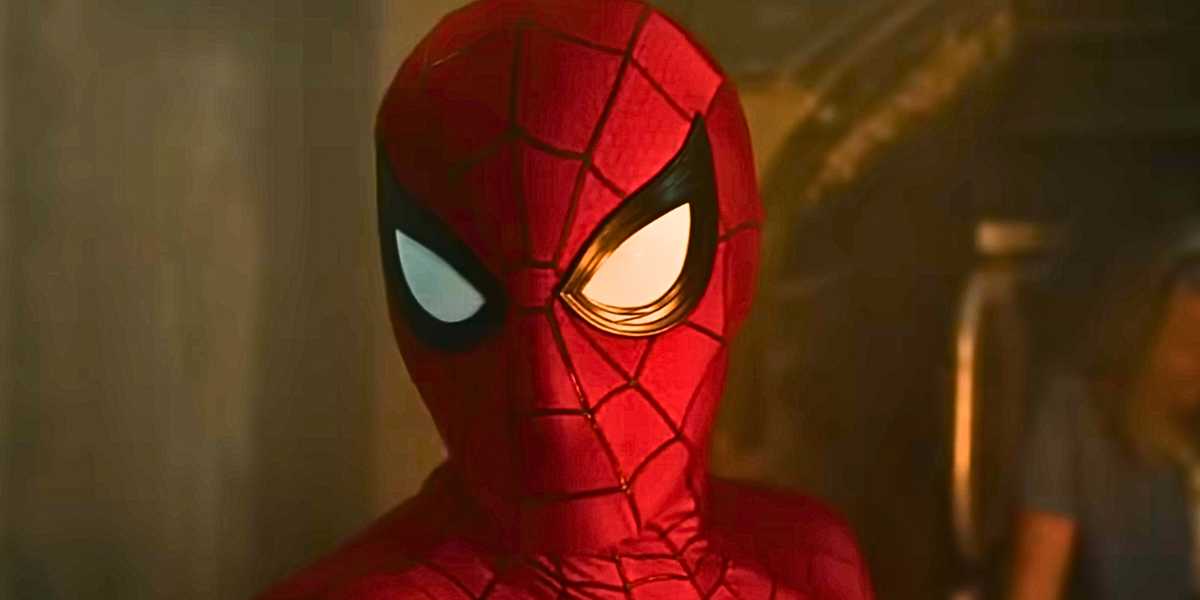
The next chapter, Spider-Man: Brand New Day (2026), is expected to embody that evolution. Set years after Spider-Man: No Way Home (2021), the film follows a version of Peter Parker whose identity has been erased from public memory. Without the relationships and support systems that once grounded him, the character is effectively starting over.
It’s a narrative reset that mirrors the broader repositioning of the franchise. And while that reset is unfolding on screen, a parallel shift is happening in the streaming landscape.
Earlier this year, March 1 marked a significant moment for fans when several legacy Spider-Man films landed on HBO Max. The collection spanned multiple eras, offering a rare opportunity to revisit the character’s cinematic evolution in one place.

What made the rollout particularly notable was its overlap with existing distribution deals. Even as the films debuted on HBO Max, they remained accessible on Disney+, giving viewers multiple ways to watch. For a time, it created an unusually open window for fans to explore different versions of Spider-Man without committing to a single platform.
With new projects on the horizon, reintroducing earlier films helped reconnect audiences with the character’s history. It encouraged comparisons between interpretations and reignited conversations about what defines Spider-Man across generations.
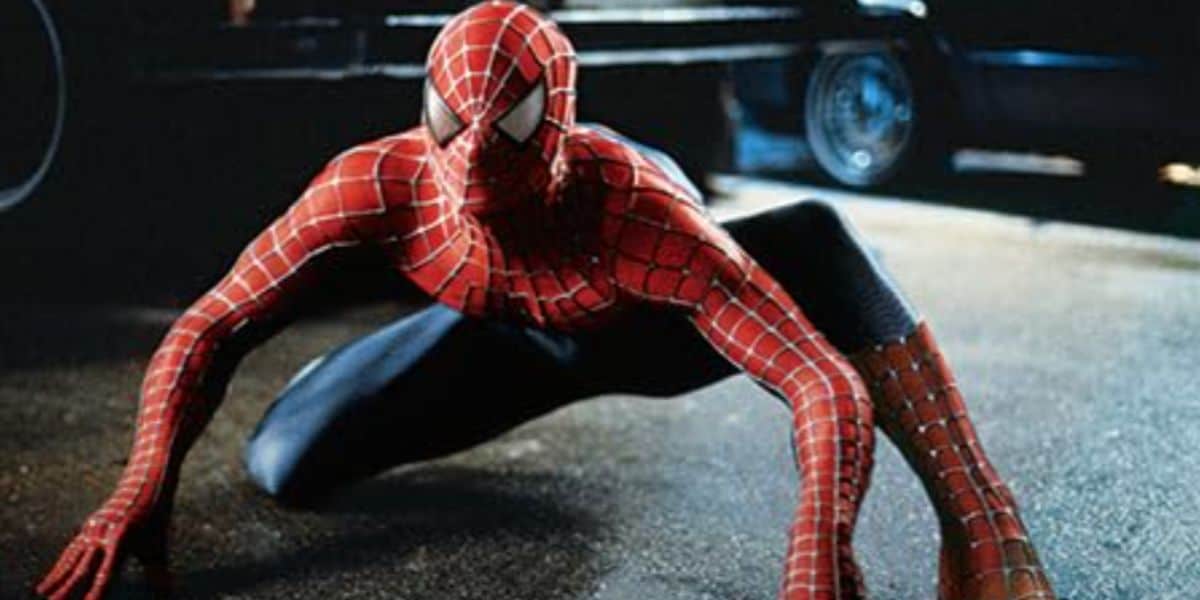
However, that accessibility is proving temporary. As April comes to a close, the five live-action Sony Spider-Man films—Spider-Man, Spider-Man 2, Spider-Man 3, The Amazing Spider-Man, and The Amazing Spider-Man 2—are set to leave HBO Max, ending the platform’s short-lived run with the titles (per The Direct).
For viewers, the shift is immediate. Films that were readily available weeks ago may soon require different subscriptions or become unavailable for a period of time. It underscores a broader reality of modern streaming: even well-known titles are subject to constant movement.
The situation also highlights a growing industry pattern. Studios are increasingly rotating content across platforms to maximize exposure and revenue. In Spider-Man’s case, that strategy is further complicated by the character’s shared ownership, resulting in a complex web of licensing agreements that can change quickly.
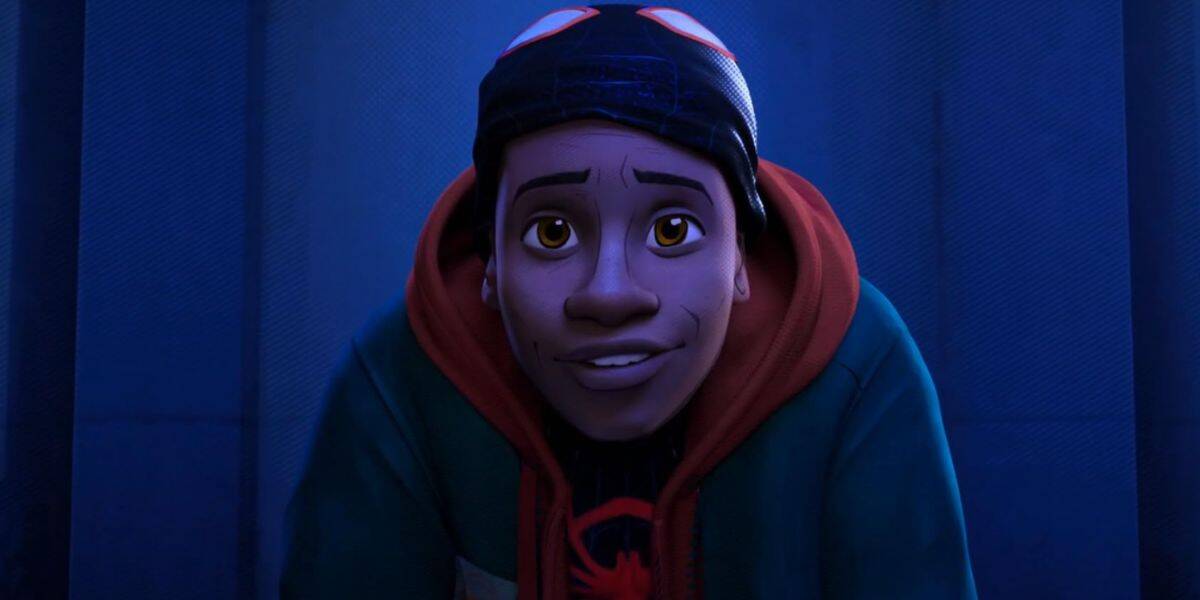
Beyond live-action, Spider-Man’s animated future is also taking shape. Producers Phil Lord and Christopher Miller (Project Hail Mary) have confirmed that the third installment in the Into the Spider-Verse series will conclude Miles Morales’ story.
Following Spider-Man: Into the Spider-Verse (2018) and Spider-Man: Across the Spider-Verse (2023), the upcoming Spider-Man: Beyond the Spider-Verse is currently slated for a 2027 release and will serve as the final chapter in this iteration of the character’s journey.
As Spider-Man continues to evolve across formats, the franchise finds itself balancing reinvention with legacy. Whether through new storytelling directions or shifting availability of past films, the character’s presence remains in motion—both on screen and across the platforms that bring him to audiences.
How do you feel about all the Spider-Man developments? Let us know in the comments down below!