
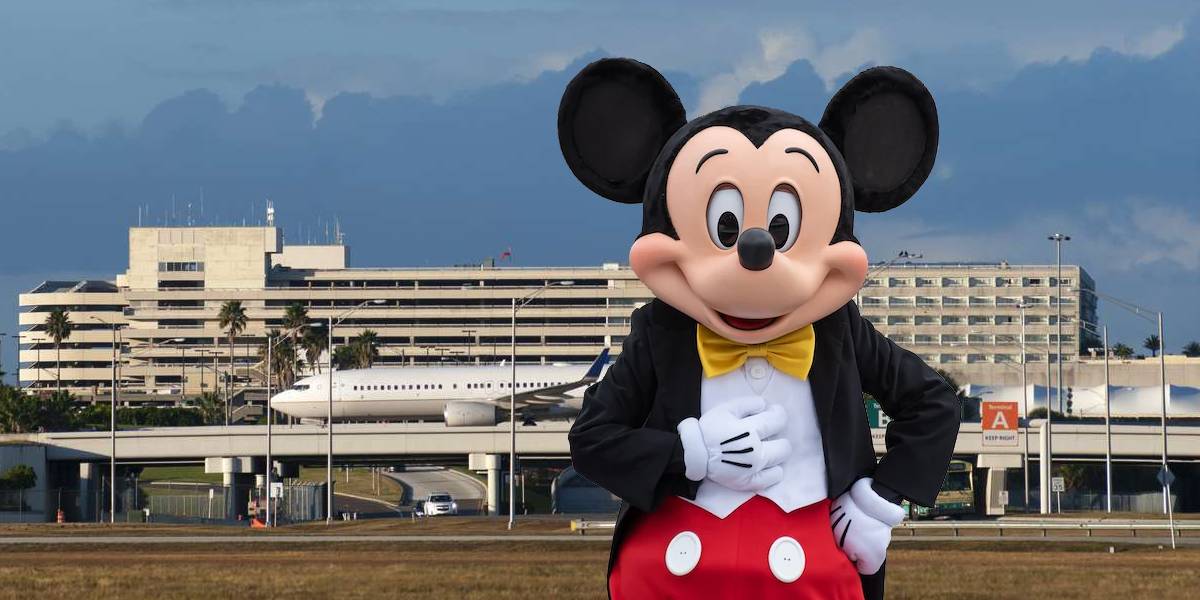

For many families, the magic of a Disney vacation doesn’t begin at the parks—it starts the moment they leave home. The anticipation builds in the airport: suitcases packed, itineraries ready, and kids buzzing with excitement for what’s ahead. But for just as many travelers, that excitement can be tested before the trip even truly begins.
Long security lines, frantic searches for IDs, and the constant pressure of making it to the gate on time have become a familiar part of the journey. Even with programs designed to streamline the process, airport security can still feel like one of the most unpredictable—and stressful—parts of a Disney vacation.
That’s why even small changes to how travelers move through the airport tend to matter more than they might seem. Fans are noticing that when something shifts in that early part of the journey, it doesn’t just save time—it can set the tone for the entire trip.
Now, a new development is beginning to take shape across airports nationwide, and it could quietly reshape how Disney guests experience travel days moving forward.
A New TSA Experience Is Beginning to Take Shape at Major Airports
A surprising change is arriving at security checkpoints across the country. The Transportation Security Administration is expanding its TSA PreCheck Touchless ID program to 65 airports by spring 2026, introducing a faster, more streamlined way to verify traveler identity.
Instead of handing over a physical ID, eligible travelers can move through security using a facial comparison photo. The system matches a live image with previously submitted identification data, allowing passengers to continue through the PreCheck lane with minimal interruption.
Guests are already reacting to the idea of a checkpoint experience that removes one of the most common friction points: digging through bags or pockets for identification at the last second.

The Technology Behind Touchless ID Is Designed for Speed and Simplicity
At its core, Touchless ID is built to reduce small but time-consuming steps. For frequent travelers, those seconds add up—especially on high-traffic travel days.
The system uses biometric verification to confirm identity quickly, allowing TSA officers to focus on flow rather than document handling. Travelers still move through the same PreCheck lanes, but the process feels more seamless and less hands-on.
Fans are noticing that this aligns with a broader trend across travel: fewer physical interactions, more digital confirmations, and an overall push toward efficiency.
Importantly, the program remains optional. Travelers must opt in ahead of time, ensuring that those who prefer traditional methods can continue using them.

There Are Specific Requirements Travelers Need to Know Before Using It
While the experience is designed to be simple, there are a few important requirements. Travelers must already be enrolled in TSA PreCheck and have a profile with a participating airline.
Currently, those airlines include Alaska Airlines, American Airlines, Delta Air Lines, Southwest Airlines, and United Airlines.
In addition, a valid passport must be linked to the traveler’s airline profile. All three elements—PreCheck enrollment, airline participation, and passport verification—must be in place before opting in.
The setup itself takes only a few minutes. Travelers enter their Known Traveler Number, add passport details, and select “opt in” either during check-in or within their airline account.
Guests are already reacting positively to how quick the process is, especially compared to the time it can save later.

Orlando and Other Key Travel Hubs Make This Especially Relevant for Disney Guests
Among the 65 airports included in the expansion is Orlando International Airport—a major gateway for Walt Disney World vacations.
For Disney guests, this is where the impact becomes especially meaningful.
Travel days to Orlando are often packed with tight timelines. Families are coordinating flights, transportation, hotel check-ins, and park reservations, all while trying to preserve the excitement of the trip.
A faster security experience can ease that pressure. Even shaving off a few minutes can mean less rushing, fewer missed boarding groups, and a smoother start to the vacation.
Guests flying through Tampa International Airport or Fort Lauderdale-Hollywood International Airport—common routes for Disney cruises—will also benefit from the rollout.
Fans are noticing that this isn’t just about convenience—it’s about preserving the emotional momentum of the trip.

Privacy and Flexibility Remain Key Parts of the Rollout
With any biometric system, privacy concerns naturally come into play. The TSA has emphasized that participation is voluntary and that images are deleted within 24 hours of the scheduled flight departure.
The data is not used for law enforcement or surveillance purposes and is not shared with outside organizations. Travelers also still need to carry a REAL ID-compliant physical ID, as TSA officers may request it at any time.
This balance—offering speed without removing control—has been a central focus of the rollout.

This Change Could Quietly Reshape How Disney Vacations Begin
For Disney World guests, the implications go beyond the airport checkpoint.
A smoother start to the journey can influence everything that follows—from arrival times at the resort to first-day park plans. When travel stress is reduced, guests are more likely to arrive energized rather than exhausted.
Fans are already noticing how innovations like this fit into a larger shift in travel expectations. Convenience is no longer a luxury—it’s becoming the standard.
Looking ahead, Touchless ID may not eliminate every airport delay, but it represents a meaningful step toward a more seamless travel experience. And for Disney guests, where every moment counts, that kind of improvement could make all the difference in how the magic begins.






How does streamlining pre-check at the Orlando airport help the START of your vacation???