The Marvel Cinematic Universe has grown into one of the most ambitious storytelling projects ever created. What began with a single superhero film eventually became a massive, interconnected saga spanning dozens of movies and streaming series. Over nearly two decades, Marvel Studios has built a timeline that spans different eras, planets, and even realities.
That scale can make jumping into the MCU a little intimidating. New fans often wonder where to begin, while longtime viewers sometimes want to revisit the story from the beginning.
One of the most popular approaches is chronological viewing. Instead of watching the films in the order they were released, this method follows the events in the Marvel universe. When you watch the saga this way, the story unfolds naturally from its earliest moments to the newest chapters.
Disney+ Brings the MCU Together
Today, watching the Marvel story in order is easier than it used to be. Disney+ now houses a large portion of the Marvel Cinematic Universe, including both the theatrical releases and the streaming series that connect directly to the main storyline.
These series play an important role in the larger narrative. Shows like WandaVision (2021), Loki (2021), and The Falcon and the Winter Soldier (2021) expand character arcs and introduce plot developments that continue into later films.
Because of this, a chronological watch-through of the MCU includes both movies and Disney+ shows. The streaming era has become a major piece of Marvel’s storytelling puzzle.
Where the Marvel Story Begins
The earliest chapter in the MCU timeline takes viewers back to World War II. Captain America: The First Avenger (2011) introduces Steve Rogers and the super-soldier program that ultimately helps shape the future of the Avengers.
From there, the story jumps forward several decades to Captain Marvel (2019), set in the 1990s. This chapter introduces Carol Danvers and shows how Nick Fury first becomes connected to the cosmic side of the Marvel universe.
After these earlier events, the timeline moves into the modern era with Iron Man (2008). Tony Stark’s transformation into Iron Man becomes the spark that launches the entire MCU.
The world continues expanding through Iron Man 2 (2010), The Incredible Hulk (2008), and Thor (2011), each introducing heroes who will soon cross paths.

The Avengers Change Everything
The MCU reaches a turning point with The Avengers (2012). For the first time, Earth’s mightiest heroes join forces to stop Loki and a massive alien invasion threatening New York City.
That battle leaves lasting consequences across the Marvel universe. Characters spend the following years dealing with the aftermath in films like Thor: The Dark World (2013) and Iron Man 3 (2013).
Soon after, Captain America: The Winter Soldier (2014) reshapes the political landscape of the MCU and dramatically changes the future of S.H.I.E.L.D.
Meanwhile, Marvel begins exploring the cosmic side of the universe through Guardians of the Galaxy (2014) and Guardians of the Galaxy Vol. 2 (2017), introducing a new group of unlikely heroes operating far beyond Earth.

Conflicts Begin to Divide the Heroes
As the MCU grows, tensions between heroes start to rise. Avengers: Age of Ultron (2015) introduces characters like Scarlet Witch and Vision while hinting that the Avengers’ unity may not last forever.
Those tensions finally exploded in Captain America: Civil War (2016), which divided the Avengers into opposing sides.
During this era, several new heroes also entered the story. Ant-Man (2015), Black Widow (2021), Black Panther (2018), Spider-Man: Homecoming (2017), and Doctor Strange (2016) all introduce characters who soon become critical players in the larger MCU.
The lead-up to the franchise’s biggest battle continues through Thor: Ragnarok (2017) and Ant-Man and the Wasp (2018).

The Infinity Saga Comes to an End
All of these stories eventually collide in one enormous conflict. Avengers: Infinity War (2018) brings together heroes from across the galaxy to face Thanos, a villain determined to reshape the universe.
The consequences of that battle ripple throughout the entire franchise.
The story reaches its emotional climax in Avengers: Endgame (2019), which unites dozens of characters in one final attempt to undo the devastation Thanos caused.
While the film closes the Infinity Saga, it also launches the next phase of the Marvel universe.
Disney+ Expands the Timeline
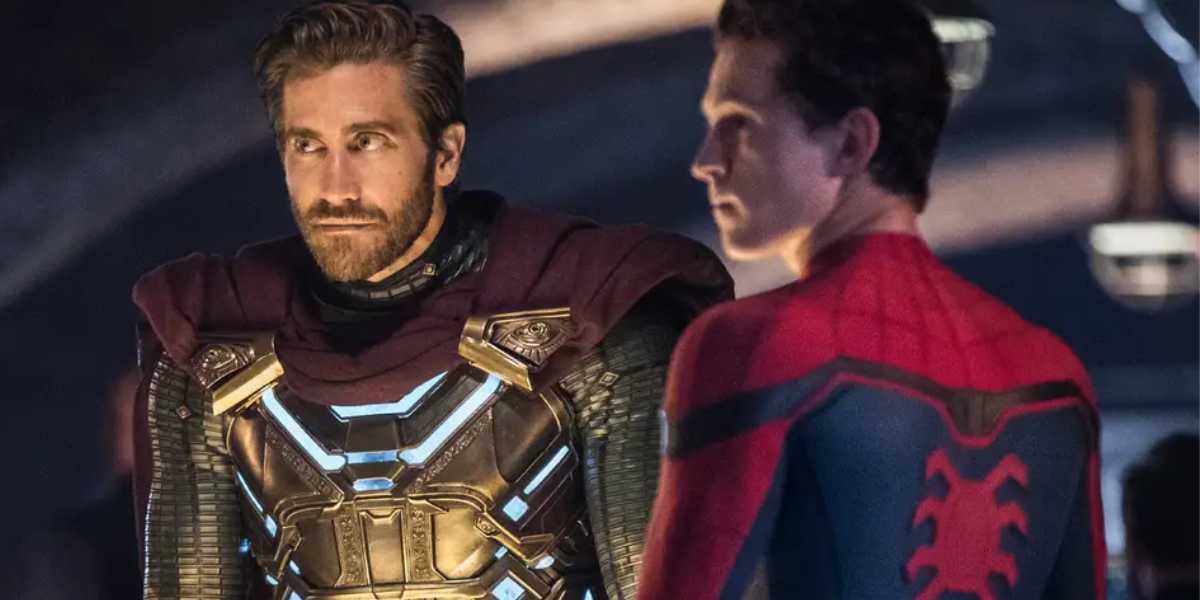
After Avengers: Endgame (2019), Marvel begins exploring what the world looks like after the Avengers’ battle with Thanos. One of the earliest stories to address that aftermath is Spider-Man: Far From Home (2019), which follows Peter Parker as he grapples with the loss of Tony Stark while trying to figure out who he wants to become.
Around the same time, Marvel also began expanding the story on Disney+.
Series like Loki Season 1 (2021) and What If…? Season 1 (2021) explore alternate timelines and introduce the growing importance of the Multiverse. At the same time, WandaVision (2021) focuses on Wanda Maximoff’s grief and sets up events that later connect directly to Doctor Strange in the Multiverse of Madness (2022).
Other shows, including The Falcon and the Winter Soldier (2021) and Hawkeye (2021), examine how the world continues adjusting as the original Avengers step away from the spotlight.
The Multiverse Saga Continues

The Latest Chapters in the Timeline
The Marvel timeline continues evolving with newer entries in the franchise. Captain America: Brave New World (2025) pushes the Captain America story forward, while Thunderbolts (2025) brings together a group of antiheroes.
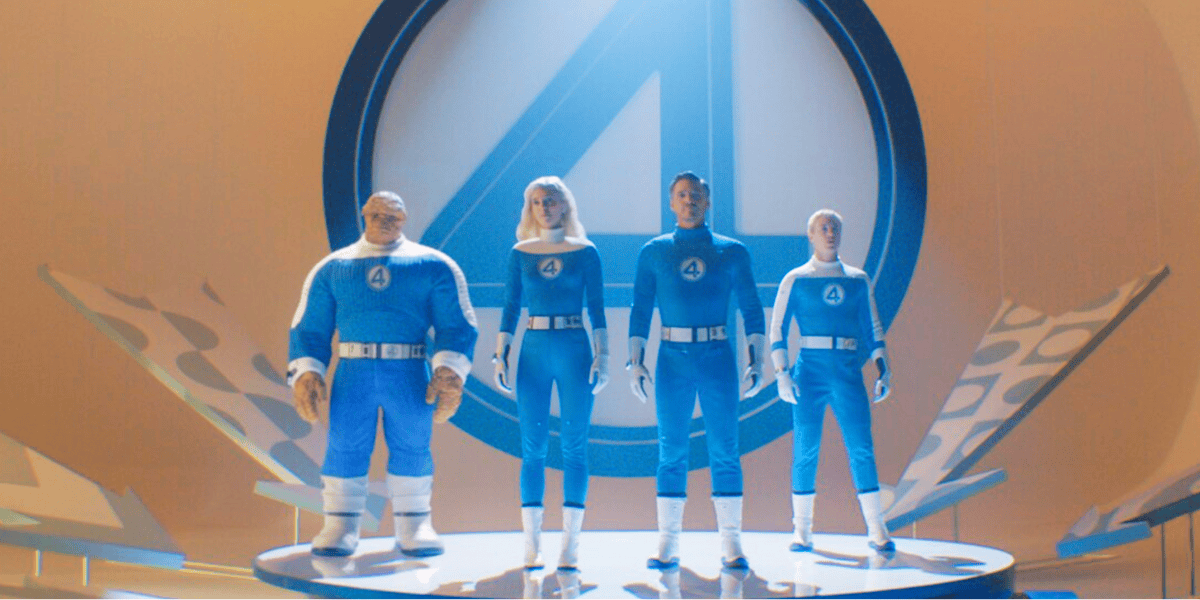
Marvel also introduces a new family of heroes in The Fantastic Four: First Steps (2025).
The saga continues with Wonder Man (2026), one of the newest Disney+ series in the expanding MCU.
Why Chronological Viewing Works So Well
Watching the MCU chronologically offers a different experience than simply following release dates. The story unfolds naturally from the earliest events to the most recent developments.
Along the way, connections between characters and plotlines become much clearer. Moments that once felt separate suddenly link together in surprising ways.
With Disney+ bringing so much of the Marvel universe into one place, it has never been easier to experience the saga from start to finish.