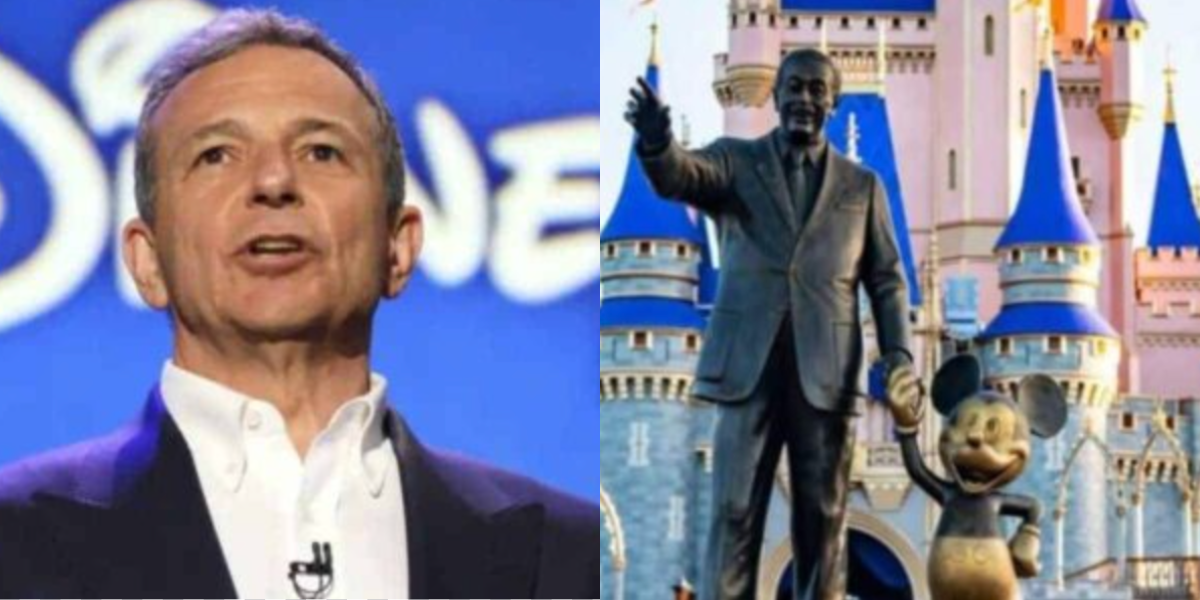
On the afternoon of March 18, 2026, The Walt Disney Company officially turned the page on its most definitive chapter since the era of Walt himself. At the company’s Annual Meeting, the baton was formally passed: Josh D’Amaro, the golden-boy executive who rose through the ranks of the theme parks, has officially taken the title of Chief Executive Officer.
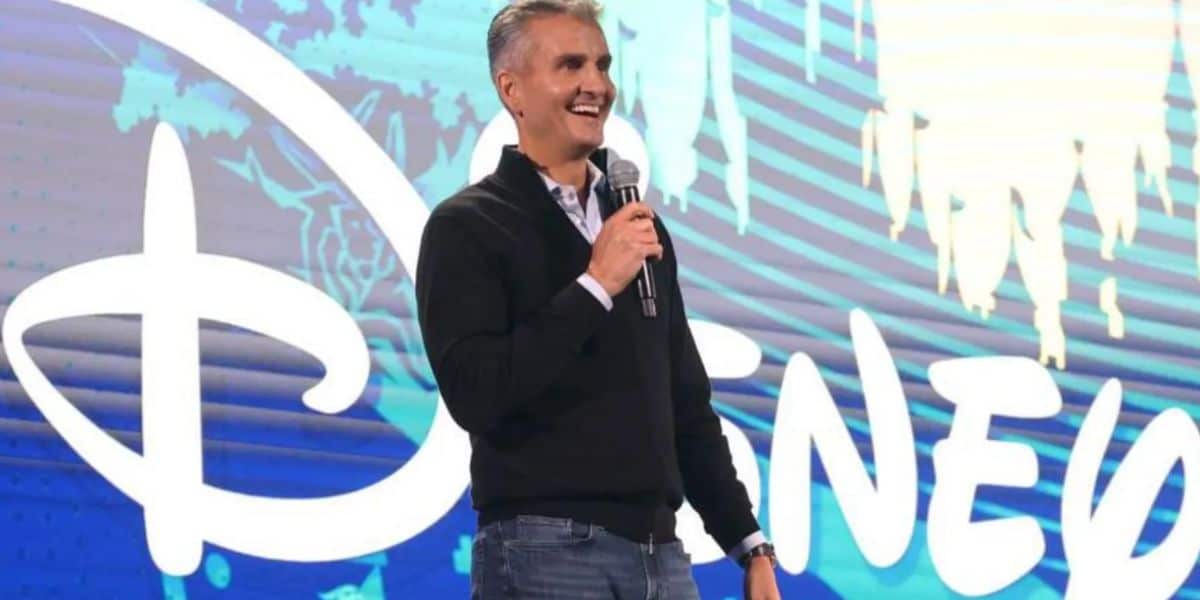
As D’Amaro moves into the corner office at Burbank, he doesn’t just inherit a media empire—he inherits the shadow of Bob Iger. After two decades, four massive acquisitions, and one “emergency” return from retirement, Iger is stepping into a Senior Advisor role, leaving behind a legacy that is as glittering as it is controversial.
What will history say about the Iger Era? Was he the savior who built a modern-day Olympus, or a leader who stayed so long he nearly watched his own kingdom crumble?
The Golden Age: How Iger Bought the World
To understand Bob Iger’s legacy, you have to remember the Disney of 2005. It was a company in the midst of a civil war. Animation was failing, the relationship with Steve Jobs was broken, and the “Disney brand” felt increasingly like a relic of the 20th century.
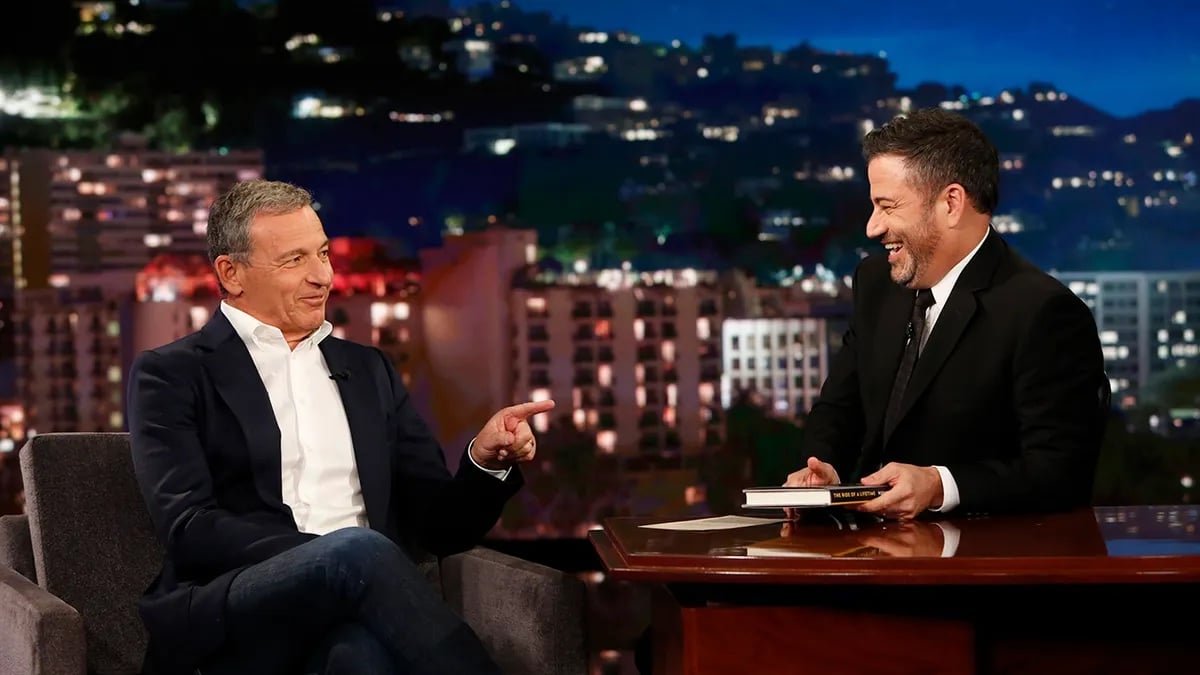
Iger’s primary legacy will always be his role as the Ultimate Collector. Over thirteen years, he executed a series of strategic “Big Bang” acquisitions that effectively cornered the market on human imagination:
- Pixar (2006): Mended the rift with Apple and saved Disney Animation.
- Marvel (2009): Turned a “niche” comic company into a $30 billion cinematic juggernaut.
- Lucasfilm (2012): Brought Star Wars home and launched a new era of park immersion.
- 21st Century Fox (2019): A $71 billion acquisition that gave Disney the “ammunition” (and the maturity) needed to survive the streaming wars.
Through these deals, Iger didn’t just grow Disney; he changed Hollywood’s DNA. He proved that in a fragmented digital world, IP is the only true currency.
The Streaming Gamble: The Crown Jewel and the Albatross
If Iger’s first act was about buying content, his second act was about delivering it. The 2019 launch of Disney+ was meant to be his mic-drop moment. It was a bold pivot that saw Disney sacrifice billions in licensing revenue to build its own digital “flywheel.”

For a moment, it worked. Disney+ reached 100 million subscribers faster than anyone thought possible. But this legacy remains a double-edged sword. By the time Iger returned for his second stint in 2022, the “growth at all costs” model had left the company with massive losses and a content pipeline that felt stretched thin. As he hands the keys to D’Amaro today, streaming is finally nearing consistent profitability—but at the cost of the “Disney premium” feeling slightly diluted by a flood of sequels and spinoffs.
The Second Act: Stabilization and the Chapek “Asterisk”
Perhaps the most human part of Iger’s legacy is his return. After handing the reins to Bob Chapek in 2020, Iger watched from the sidelines as the company’s culture fractured. When he was called back in late 2022, his mission wasn’t to expand, but to repair.

Iger’s second tenure (2022–2026) was defined by “wartime” leadership:
- Cost-Cutting: Trimming $7.5 billion in expenses and laying off thousands to appease Wall Street.
- Proxy Battles: Defeating activist investors like Nelson Peltz, who claimed Disney had lost its creative spark.
- Succession Fix: Mentoring Josh D’Amaro and Dana Walden to ensure that the “Chapek mistake” never happens again.
Critics will always point to Iger’s delayed retirement and the failed original handoff as a blemish. But his supporters argue that his willingness to return and fix his own mistakes demonstrates a level of devotion to the brand rare in the C-suite.
The D’Amaro Era: A New Kind of CEO
As Josh D’Amaro steps in today, he represents the perfect bridge between Iger’s big-picture strategy and the “guest-first” culture of the parks. D’Amaro, known for his “on-the-ground” presence and high emotional intelligence, is paired with Dana Walden (the new President and Chief Creative Officer), creating a powerhouse duo of operational grit and creative instinct.
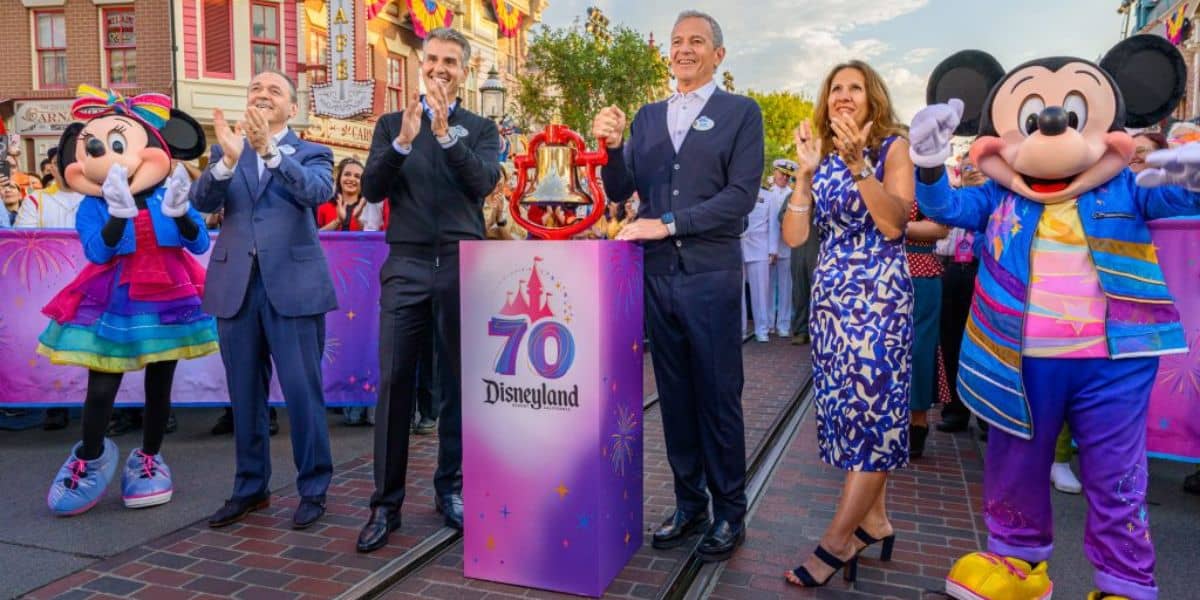
D’Amaro inherits a $60 billion expansion plan for the parks and a box office that has recently rebounded with hits like Zootopia 2. His challenge will be to navigate the era of AI disruption—a tool that Iger notably called “an opportunity, not a threat”—while maintaining the soul of a company that is still, at its heart, about human storytelling.
Conclusion: The Legacy of the “Big Disney” Architect
Bob Iger leaves Disney as the man who built “Big Disney.” He took a classic, family-oriented brand and turned it into a global, multi-platform powerhouse that owns the world’s most valuable stories.

He wasn’t always a creative visionary like Walt. Still, he was perhaps more necessary for the 21st century: a Savvy Portfolio Manager who understood that Disney’s greatest strength isn’t just one movie or one park—it’s the emotional connection people have to the brand throughout their lives.
As Josh D’Amaro takes his first official steps as CEO today, he isn’t just running a company; he is tending a legacy. Bob Iger built the house. Now, it’s up to Josh to make it feel like home again.
Do you think Bob Iger should have stayed retired in 2020? What is the one thing you want Josh D’Amaro to change first? Let us know in the comments below!