Planning a trip to Walt Disney World has always required careful budgeting. Families expect to spend a good amount on park tickets, hotels, dining, and souvenirs. For years, price increases felt gradual enough that many visitors simply accepted them as part of the experience.
Lately, however, the conversation among Disney fans has started to change.
More guests are noticing that the cost of a Disney vacation continues to rise across multiple categories. Park tickets have increased. Resort stays cost more during peak seasons. Even smaller add-ons that once seemed affordable now carry noticeably higher price tags.
Lightning Lane has quickly become one of the most discussed examples of this trend.
The line-skipping system lets guests skip long standby lines for popular attractions. While the convenience remains appealing, the price attached to that convenience has grown dramatically over time.
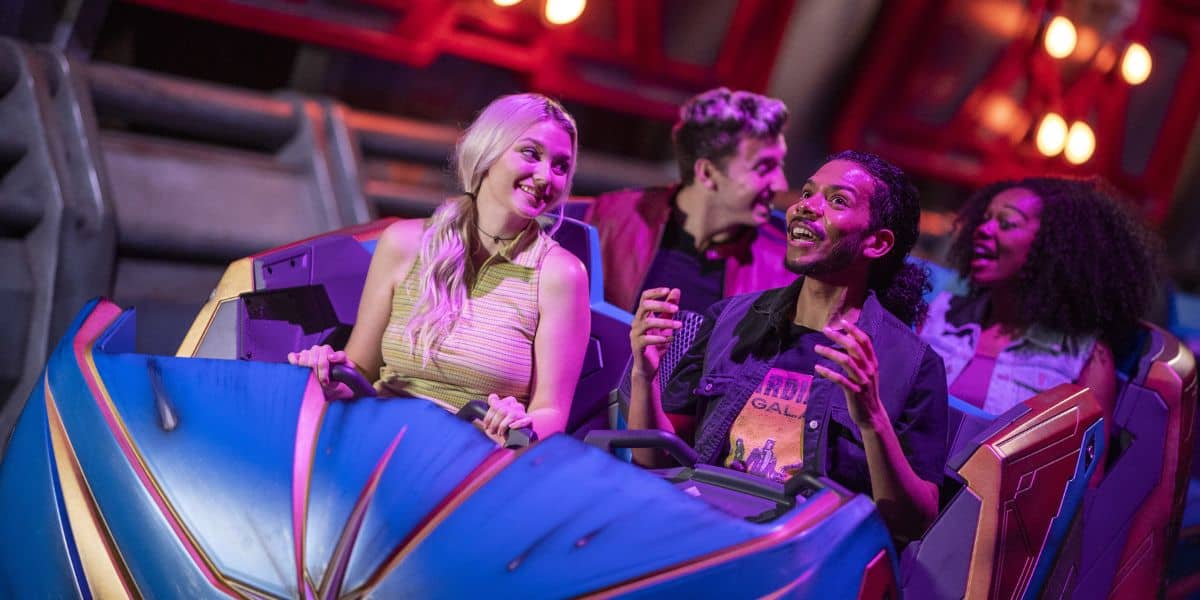
How Lightning Lane Fits Into Disney’s Park Strategy
Disney introduced Lightning Lane as the successor to tenie+. The concept behind the service is fairly straightforward: guests can pay an additional fee to reserve access to shorter lines at select attractions throughout the day.
Instead of waiting in a traditional standby queue, Lightning Lane users enter a separate line that typically moves much faster.
For families visiting the parks during busy travel seasons, the appeal is obvious. Long wait times can consume hours of a vacation day, and Lightning Lane offers a way to reclaim some of that lost time.
Disney later expanded the system by introducing different tiers. These options vary depending on the attractions guests want to ride and the level of flexibility they want during the day.
As a result, Lightning Lane pricing now varies across all four Walt Disney World parks.
The Price That Has Fans Talking
Among the available options, Lightning Lane Premier Pass stands at the top of the pricing ladder.
Unlike standard Lightning Lane reservations that require guests to book specific ride windows, the Premier Pass allows riders to access Lightning Lane entrances without scheduling times throughout the day. In many ways, it functions like an all-access shortcut to some of the park’s most popular rides.
That level of convenience comes at a steep cost.
At its highest price point, Lightning Lane Premier Pass can reach $449 per person for a single day, depending on the park and overall demand. That number has sparked conversations across Disney fan communities.
The reason is simple.
In certain cases, the price of the add-on can exceed the cost of entering the park itself.
Magic Kingdom already carries some of the highest ticket prices at Walt Disney World. On peak travel dates, a single-day ticket to the park can cost over $200 per person.
Seeing those two numbers side by side has surprised many guests.
Why Some Guests Still Choose the Upgrade
Even with the high price tag, Lightning Lane Premier Pass continues to attract buyers.
For many families, a Disney vacation is a rare trip that may only occur once or twice in a lifetime. When guests are already investing thousands of dollars in travel and accommodations, some decide that paying extra for convenience is worthwhile.
Crowds also play a major role in the decision.
During busy times of year, wait times inside Magic Kingdom can climb well past 90 minutes. On especially crowded days, some attractions reach waits approaching two hours.
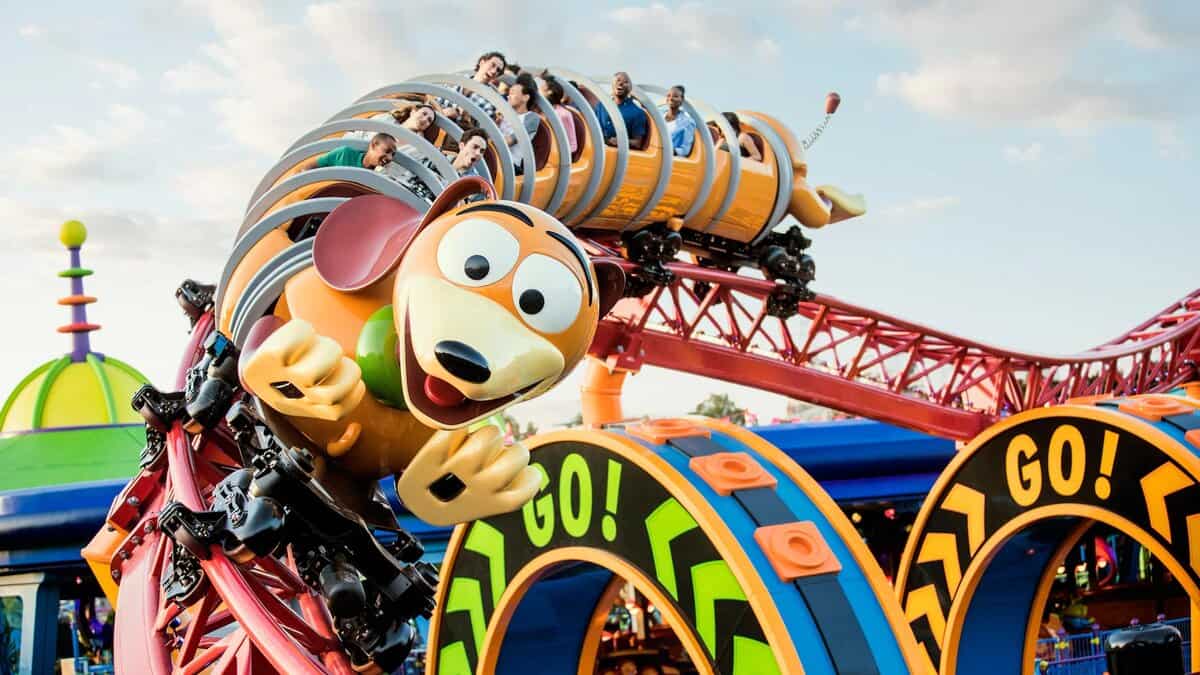
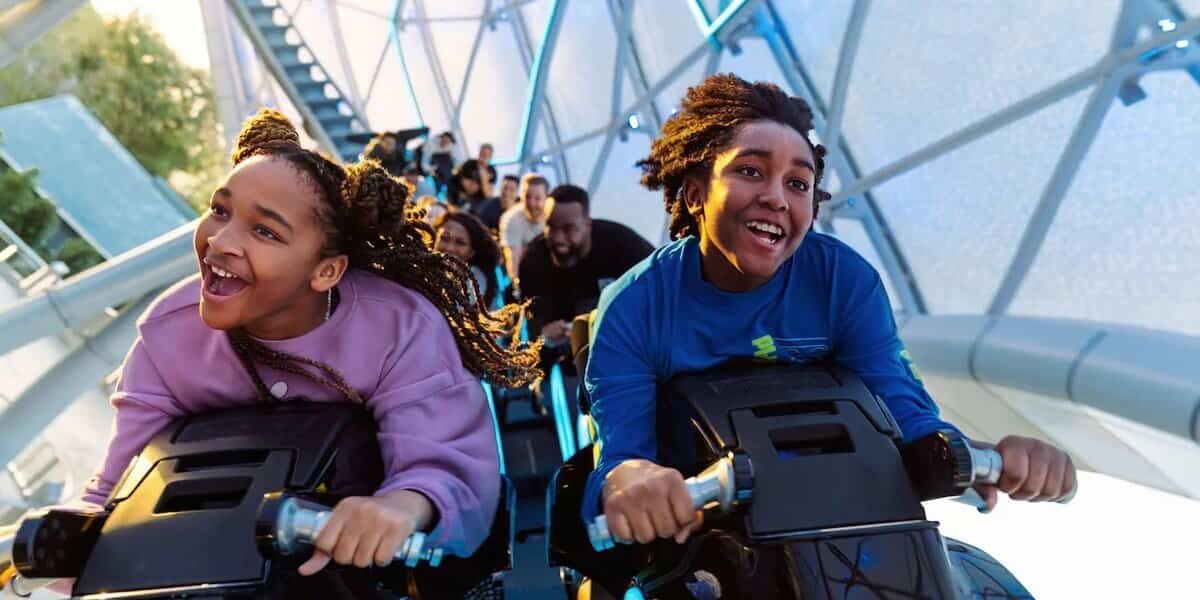
Rides like TRON Lightcycle / Run, Seven Dwarfs Mine Train, and Peter Pan’s Flight regularly draw large crowds throughout the day.
Guests hoping to experience those attractions without spending hours in line often see the Premier Pass as a shortcut to maximizing their time in the park.
Disney has long offered premium experiences for visitors who prioritize convenience, from VIP tours to upgraded resort stays. The Premier Pass fits naturally into that lineup.
A Growing Debate Among Disney Fans
Still, the rising cost of Lightning Lane has sparked ongoing debate.
Some guests view the system as an optional upgrade that helps manage crowds. If visitors want to skip lines and are willing to pay, they see Lightning Lane as simply another tool for planning a smoother day.
Others feel the growing price gap creates a divide between guests who can afford the add-ons and those who cannot.
When a line-skipping upgrade approaches — or even exceeds — the cost of park admission, it raises questions about how the Disney experience is evolving.
Many longtime fans admit that comparing those two prices side by side feels surprising.
What the Future May Look Like
Lightning Lane Premier Pass remains completely optional, and guests can still enjoy the parks using standby lines without spending anything beyond their ticket.
Plenty of visitors continue to have memorable Disney days without paying for the extra convenience.
At the same time, the existence of a $449 line-skipping option shows how far Disney’s pricing model has expanded in recent years.
As Walt Disney World continues to introduce new attractions and adapt to shifting crowd patterns, the conversation about value will likely continue.
Some guests will embrace premium upgrades, while others will rely on strategy, timing, and patience to experience their favorite rides.
Either way, Lightning Lane pricing has clearly become one of the most talked-about topics surrounding Disney vacations today.