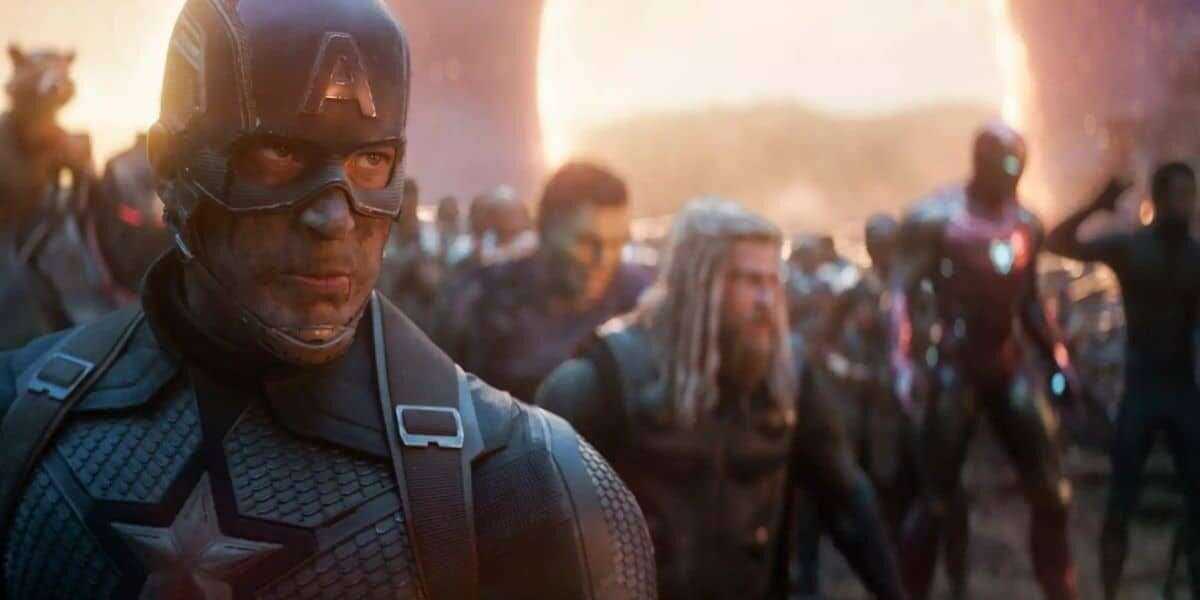
Something unusual just unfolded inside the Marvel Cinematic Universe, and it didn’t arrive with fanfare. There was no major trailer reveal or headline-grabbing announcement. Instead, Disney slipped in a series of subtle confirmations that viewers are only beginning to notice. On the surface, the update feels small. The deeper fans look, however, the more meaningful the implications become.
For years, audiences have debated how closely the MCU mirrors real-world culture. Marvel stories have always referenced familiar ideas, but rarely with lasting significance. Now, recent storytelling choices suggest Marvel is doing something different — quietly acknowledging elements of pop culture as part of its shared universe.
Before examining the details, it helps to understand why this shift matters.
Disney’s Expanding Influence
Disney’s reach stretches far beyond superheroes. Over the last twenty years, the company has assembled an enormous collection of entertainment brands, including animation classics, Star Wars, Pixar stories, live-action adaptations, and television hits. That massive library shapes modern pop culture.
Historically, Marvel kept those worlds separate. References existed, but they usually functioned as jokes rather than meaningful world-building. Recently, that approach appears to be evolving. Disney now seems more willing to let its broader catalog exist alongside Marvel storytelling.
Instead of feeling like a crossover, the MCU begins to resemble a version of reality where Disney’s cultural footprint naturally exists — just as it does for audiences watching at home.
That idea becomes clear in Marvel’s newest Disney+ project.

A Marvel Update Changes the Conversation
Wonder Man embraces Hollywood satire while following Simon Williams as he navigates auditions, fame, and the chaos of working in entertainment, while superheroes dominate the world around him. Alongside its humor, the show delivers something fans quickly noticed: carefully placed Easter eggs that establish what media exists inside the MCU.
These references aren’t random. Dialogue, background props, and celebrity cameos slowly build a clearer picture of the universe’s pop culture landscape.
Some of the biggest confirmations arrive in surprisingly comedic ways.
A Shocking Moment With Bigger Meaning
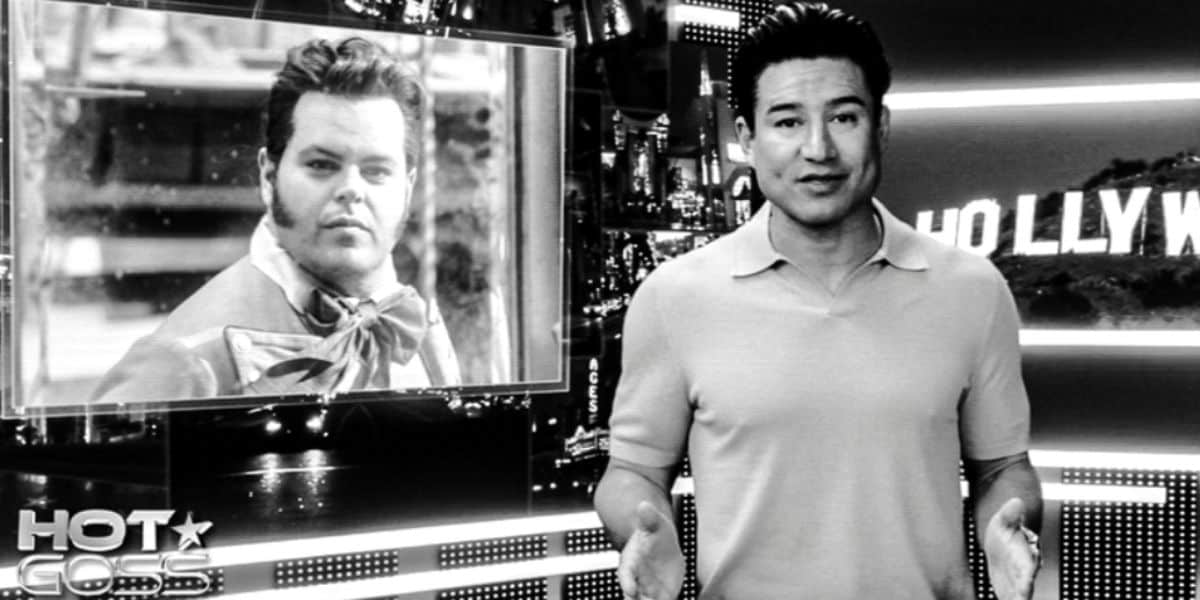
One standout scene features Josh Gad appearing as himself during a nightclub performance. He performs an electronic dance remix of a song closely tied to his famous animated snowman role, transforming a cheerful tune into an over-the-top club anthem.
The joke lands immediately, but it also carries narrative weight. By presenting Gad as the same performer audiences recognize, the show establishes that Frozen exists as a film within the MCU. Characters in Marvel’s world have experienced the same cultural phenomenon viewers know.
The moment works as satire while subtly expanding continuity.
Small Details With Big Implications
Another confirmation appears briefly during sweeping shots of Hollywood Boulevard. A billboard displays the well-known family-centered phrase associated with Lilo & Stitch. The image flashes quickly, yet its meaning runs deeper.
The reference reinforces Wonder Man’s themes of found family while signaling that the beloved Disney story holds cultural relevance inside the MCU. Rather than a throwaway gag, it strengthens both emotional storytelling and world-building.
Conversations That Reveal More Than Expected
The show continues layering confirmations through dialogue. During a cameo appearance, Mario Lopez references Gaston from Beauty and the Beast while discussing Josh Gad’s career. The line functions as humor but also confirms the animated classic exists within Marvel’s fictional world.
The mention fits perfectly with the series’ exploration of ego and performance, using Gaston as shorthand for exaggerated confidence and image-driven masculinity.
Background Clues Reward Observant Viewers
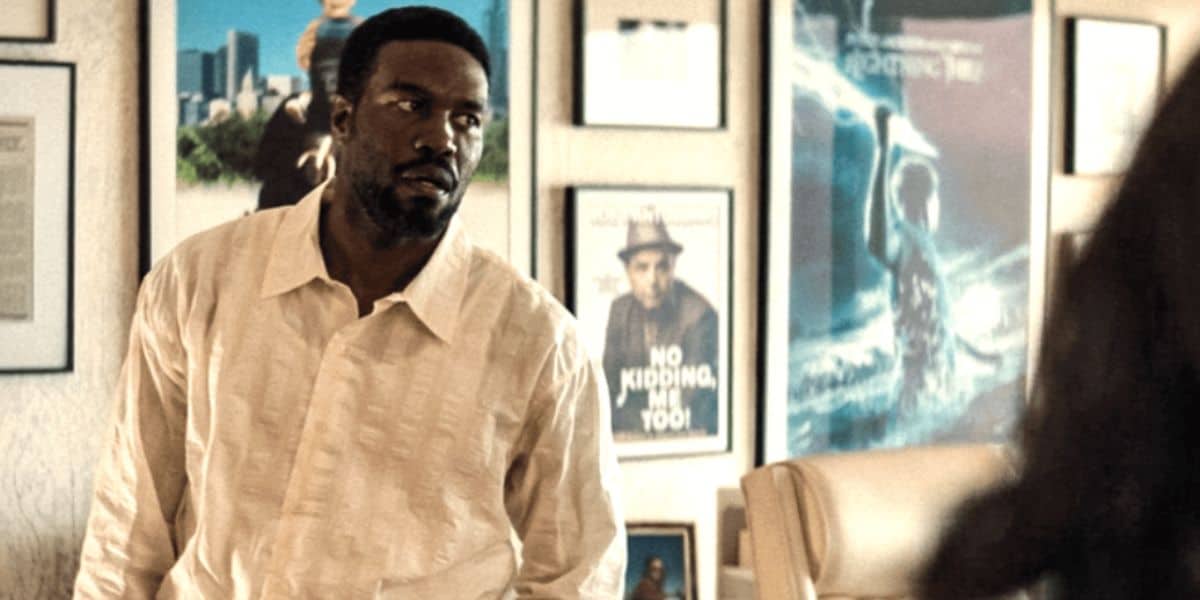
Episode 2 adds another subtle detail when characters visit an actor’s home filled with memorabilia. A poster for Percy Jackson & the Olympians: The Lightning Thief hangs on the wall, suggesting that the fantasy-adventure film exists within the MCU’s entertainment culture.
Because the actor featured in the episode appeared in that film in real life, the reference creates a playful overlap between realities without disrupting the story.
Later, viewers spot a Planet of the Apes poster inside Trevor Slattery’s trailer. The callback reinforces the character’s earlier history, recalling Trevor’s claim that the movie inspired his acting career. The detail deepens continuity while confirming the classic film’s place in the MCU canon.
The World Keeps Expanding
Wonder Man goes even further by referencing additional films and television shows. Simon briefly books and loses a role connected to American Horror Story, while Twilight receives a casual mention despite sharing a universe with Blade. During an audition, Simon quotes Pretty Woman, and a director immediately recognizes it.
Background elements include a Wicked billboard and references to Sons of Anarchy and Castle Rock as industry credits. Even the M3GAN franchise enters the conversation through dialogue about a sequel audition.
Together, these moments create a familiar cultural environment inside Marvel’s universe.

Why These Confirmations Matter
None of these details rewrite MCU history. Instead, they expand it. Marvel increasingly portrays a world where superheroes coexist with recognizable entertainment, celebrities, and shared cultural experiences.
That approach grounds the MCU in a reality closer to our own. Rather than separating Disney’s brands, Marvel embraces their coexistence.
The result feels intentional. Marvel Studios isn’t just planting jokes — it’s quietly defining a broader, more interconnected universe that reflects modern pop culture in ways fans are only beginning to understand.