Disney and Netflix Partnership Positions Netflix IP for Expansion Into Parks

Something just changed in streaming, and theme park fans should keep one eye on it. On paper, it looks like a simple shift in how people pay for shows. In reality, deals like this tend to pull brands closer together in ways that don’t stop at your living room. When major entertainment giants start sharing space, the parks usually feel the ripple sooner or later.
For a long time, people have wondered what it would look like if Disney and Netflix ever stopped acting like pure rivals and started moving in the same direction. We’re not there in a formal way, but the industry is inching toward a setup where those walls don’t look quite as tall.
Disney+ Built Its Own Streaming Empire
To understand why this moment matters, you have to look at what Disney already built. Disney+ arrived in 2019 with plenty of skepticism attached. Many viewers assumed Netflix had too big a head start for anyone to catch up.
Disney didn’t waste time proving it belonged in the conversation. It leaned on Marvel, Star Wars, Pixar, National Geographic, and a deep library. It also pushed originals that gave fans a reason to stay subscribed, not just drop in for a rewatch and disappear again.
As the service matured, Disney didn’t simply add content. It expanded major franchises into ongoing storytelling and treated the platform like a central hub, not a side project. That approach helped Disney+ settle into the top tier of streaming services.
But that success created a new problem: people started drowning in subscriptions.

Subscription Fatigue Put Consolidation on the Table
As more platforms fought for attention, viewers ended up juggling apps, logins, and monthly charges. That friction changed the way audiences behave. It also forced companies to rethink how they package content.
Once consumers start asking, “Why am I paying for so many separate services?” the industry responds with bundling and consolidation. That’s the environment Disney now operates in, and it’s why the next move matters more than it might seem at first glance.
Hulu Showed Disney’s Long Game
Disney’s Hulu story provides a valuable blueprint. After years of shared ownership, Disney chose to acquire Hulu entirely. That decision gave Disney more control over its streaming strategy and made bundling easier to execute.
Instead of treating Hulu as a separate lane that might compete for attention, Disney pulled it closer. It tightened the ecosystem, strengthened its leverage, and made the overall streaming pitch more cohesive.
That matters here because Disney has already shown it doesn’t just partner casually. When Disney sees an advantage, it plays for position.

A Huge Bundle Just Changed the Tone
Now, a major bundle overseas is pushing the conversation forward. Sky in the United Kingdom and Ireland introduced a single subscription tier that combines Netflix, Disney+, HBO Max, and Hayu.
The practical benefit is obvious: fewer bills, fewer apps, fewer passwords, and one interface to manage it all. Sky’s offering starts at roughly £24 per month for new customers, and it folds in Sky’s programming alongside Netflix’s global hits and Disney+ franchises.
This isn’t just a convenience move for customers. It signals something bigger for the business side. It shows these companies can share a unified package when the math works, even if they compete elsewhere.

If Bundling Works, It Can Open Bigger Doors
Right now, this remains a bundle. But bundles often act as stepping stones. Disney has already demonstrated that it can move from shared arrangements to deeper control when the opportunity arises, and the Hulu decision makes that point clear.
If appetite for consolidation continues to grow, Disney could explore closer integration with Netflix down the road. The article’s core point still stands: any deeper alignment wouldn’t stop at streaming libraries. Disney knows how to turn intellectual property into experiences, and that’s where the park angle starts to feel less like a daydream.
Netflix Franchises Could Become Park-Ready Stories
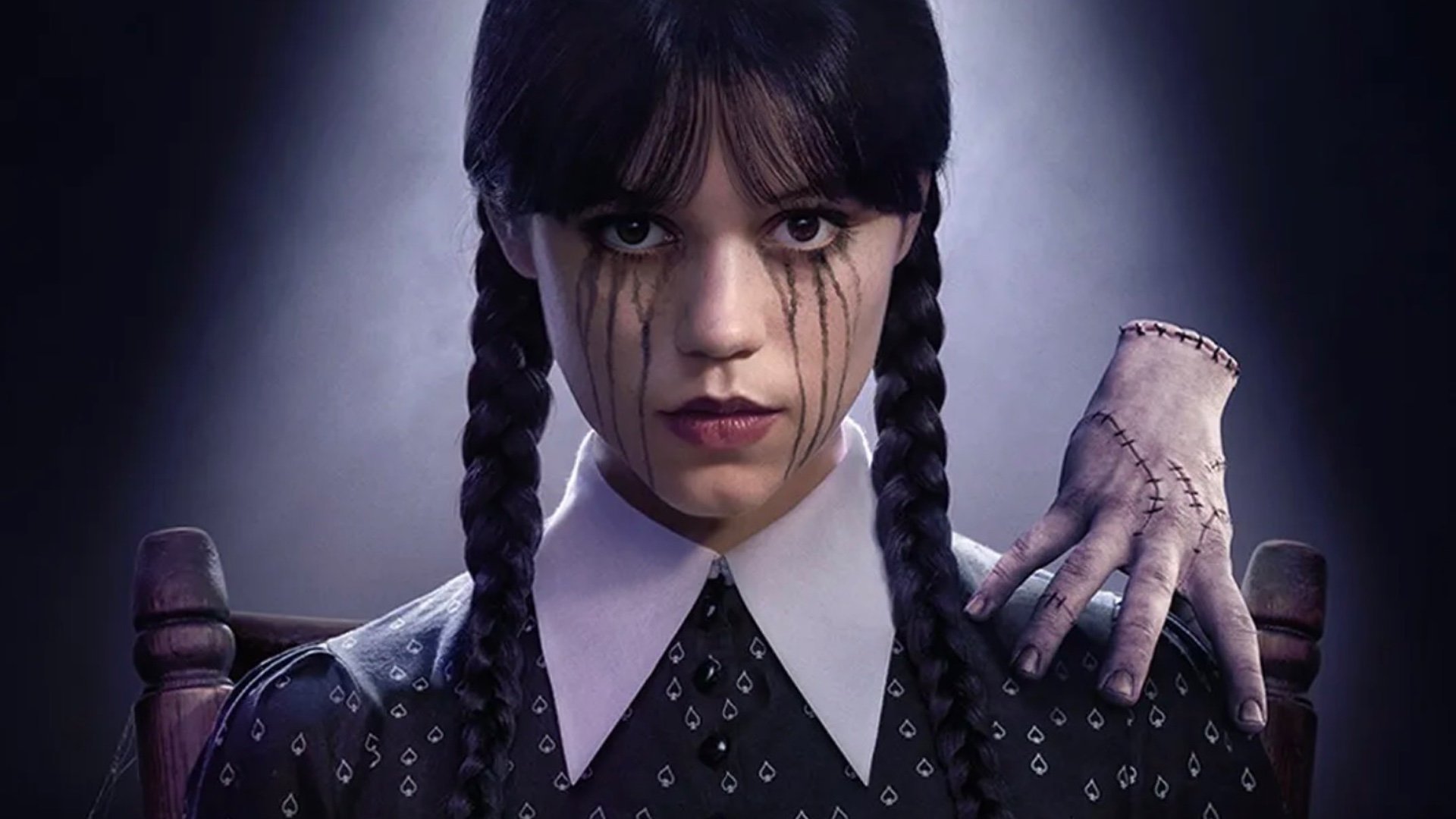
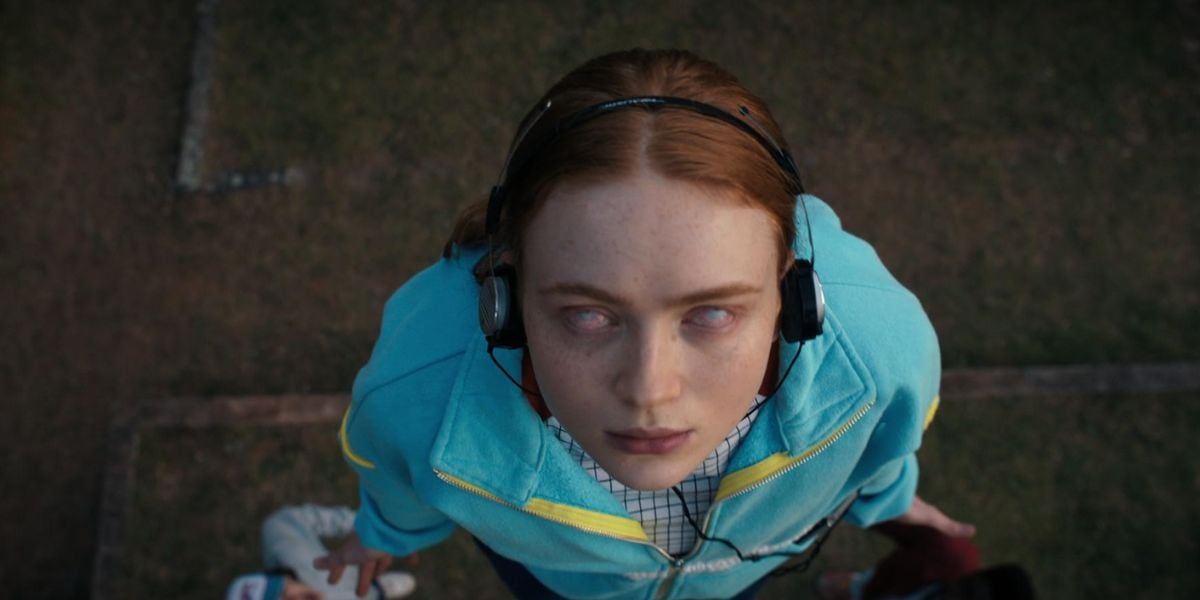
If Disney ever gained expanded access to Netflix properties, the parks would feel like the natural next place to experiment. Wednesday carries a gothic, whimsical tone that could fit seasonal overlays or a dedicated space. Stranger Things could appeal to older teens and adults, pushing the parks into a slightly more mature lane.
Scooby-Doo is aimed at younger viewers and plays perfectly with interactive mystery concepts that families can share. Squid Game runs darker, but it also proves Netflix can create global moments, and a toned-down competitive experience could exist without copying the show directly. Even KPop Demon Hunters points out that Netflix taps into fandoms that thrive on music, performances, and character-driven energy.
The Real Story Sits Between Streaming and the Gate
This all starts with one bundle in the UK and Ireland, designed to make subscriptions feel simpler. But the bigger takeaway is the direction of travel. When entertainment giants start stacking their brands together, the boundaries soften.
Theme park fans won’t wake up tomorrow to a Stranger Things coaster or a Wednesday ride announcement. Still, the groundwork for collaboration is there, and deals like this tend to build momentum. If consolidation continues, today’s bundle could plant the seeds for tomorrow’s much bigger play—and that’s when the parks could truly start to change.