Walt Disney World Corrects a 10-Year Mistake at Hollywood Studios

For years, there has been a quiet imbalance at Disney’s Hollywood Studios. The park evolved rapidly—adding blockbuster attractions, immersive lands, and high-energy experiences—yet something foundational disappeared in the process. Since the closure of the Honey, I Shrunk the Kids playground in 2016, there has been no dedicated space where young children could simply play.
Parents have felt that absence every summer afternoon.
Hollywood Studios is a park built on spectacle. Thrill rides dominate. Indoor shows help, but they are scheduled and structured. What the park hasn’t offered for nearly a decade is a flexible, low-pressure environment where families can reset without committing to another attraction queue. That long-standing oversight is finally being addressed.

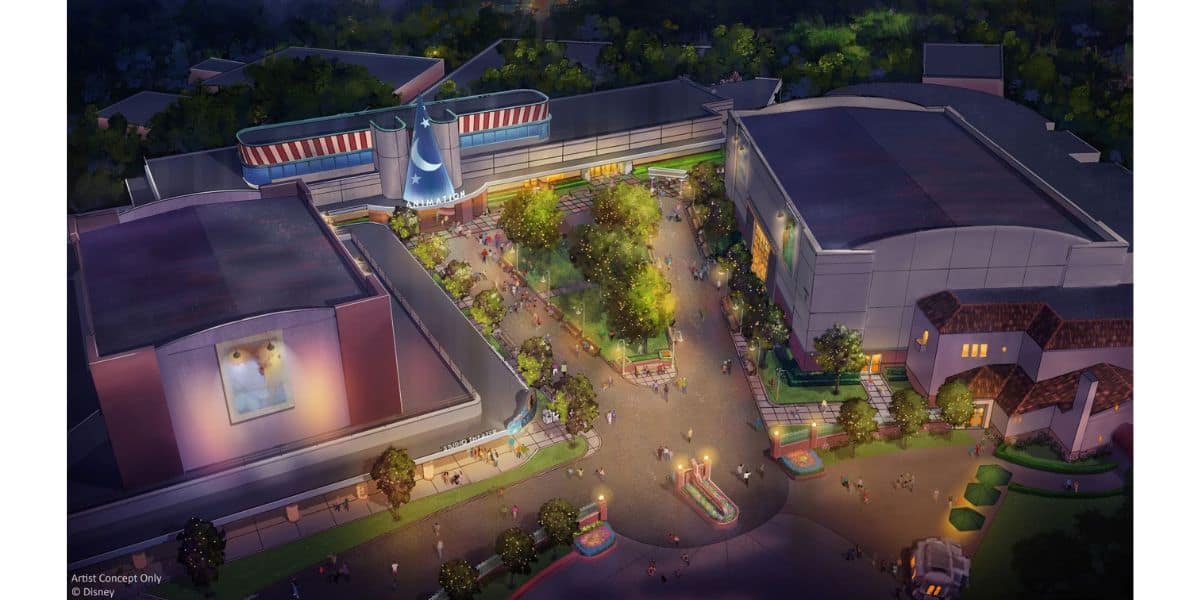
By Summer 2026, The Magic of Disney Animation will open in the former Star Wars: Launch Bay building, transforming a space that often felt transitional into the heart of a reimagined Walt Disney Studios courtyard. And this isn’t just cosmetic change. It’s a course correction.
A Courtyard Reimagined
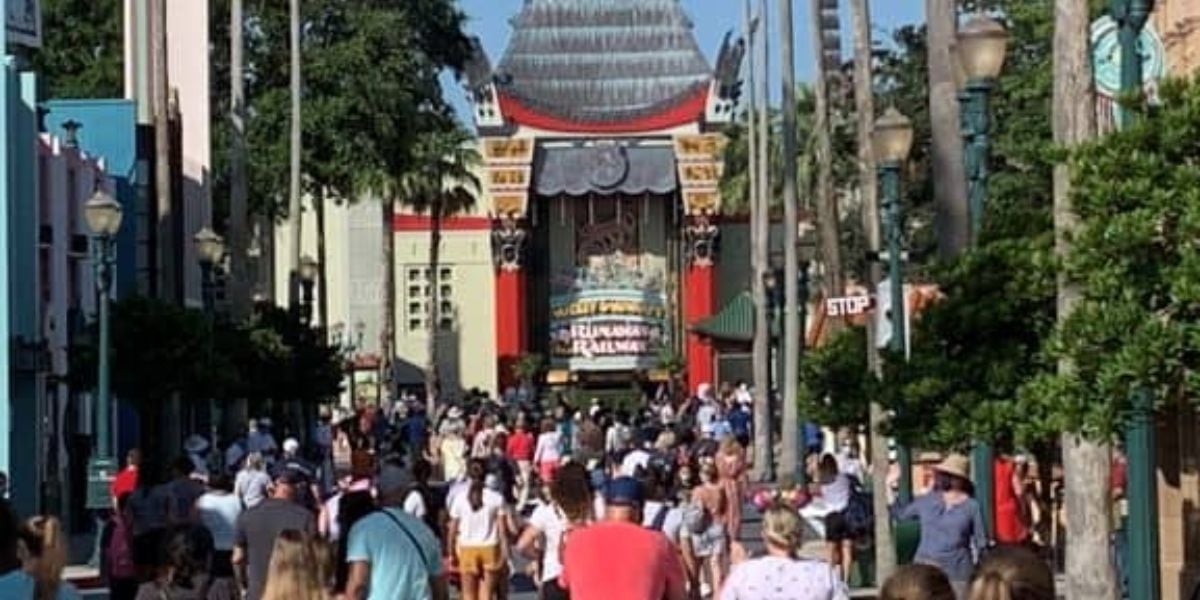
Animation Courtyard has been closed for several months now, and as of February 2026, guests walking past the construction walls can see that this is not a light refurbishment. The entire area is being reshaped into a stylized version of the Burbank Studio Lot, complete with a Sorcerer Mickey Hat crowning the building.
This time, the hat isn’t positioned as a skyline icon. Instead, it acts as a visual anchor for the land, signaling that this area celebrates the craft of animation. The surrounding courtyard will feature shaded seating, greenery, and playful design elements meant to encourage families to linger rather than rush through.
It feels intentional. Purpose-built.
The Playground That Should Have Never Left
Inside, the most significant addition is Drawn to Wonderland, an indoor playground inspired by original Alice in Wonderland concept art from Mary Blair.
That artistic foundation matters. Mary Blair’s bold shapes and whimsical color palettes translate beautifully into immersive space. The playground will feature oversized musical flowers, a Mad Tea Party playset, and Tulgey Wood crawl spaces designed specifically for younger guests.
Just as important as the theming is the environment itself. The space is fully indoors and air-conditioned.
For nearly ten years, Hollywood Studios has lacked a pressure valve. Families with toddlers often found themselves improvising—ducking into gift shops or sitting on curbs—because there was nowhere built for active, unstructured play. Drawn to Wonderland restores that balance.
Bringing Animation to Life
Beyond the playground, The Magic of Disney Animation leans heavily into the storytelling of Once Upon a Studio, the Emmy Award-winning short that imagined Disney characters coming to life inside the Burbank studio.
Guests will explore “Off the Page!”—a series of immersive character greeting spaces themed to different stages of the animation process. Mulan appears in the Story department. Rapunzel greets guests in Layout. Stitch represents Effects. Chip and Dale celebrate hand-drawn animation.
The design subtly reframes character interactions as creative storytelling moments rather than simple photo opportunities.
The experience also includes Olaf Draws!, an updated Animation Academy featuring an advanced Audio-Animatronics Olaf. With original dialogue recorded by Josh Gad, Olaf introduces guests to professional Disney artists who guide them through step-by-step drawing sessions. It’s an educational component layered into entertainment, reconnecting the park to its filmmaking roots.
A Strategic Shift
Replacing Star Wars: Launch Bay with a family-first, indoor animation hub signals something larger.
In recent years, Hollywood Studios leaned into high-intensity capacity builders. This addition does the opposite. It lowers the volume. It provides shade, seating, and creative engagement. It invites families to slow down.
For a park that has spent nearly a decade without a true play space, this is more than a nostalgic nod. It is infrastructure. It addresses climate realities, guest stress, and crowd flow in a way that flashy thrill rides cannot.
After ten years, Walt Disney World is correcting a mistake.
And for families navigating the park in 2026, that correction may matter more than any new coaster announcement.