Showrunner Leslye Headland has not gone quiet since The Acolyte disappeared from Disney+’s future plans. Instead, her comments have continued to ripple through fandom, reigniting arguments about what success looks like inside one of entertainment’s most scrutinized franchises.
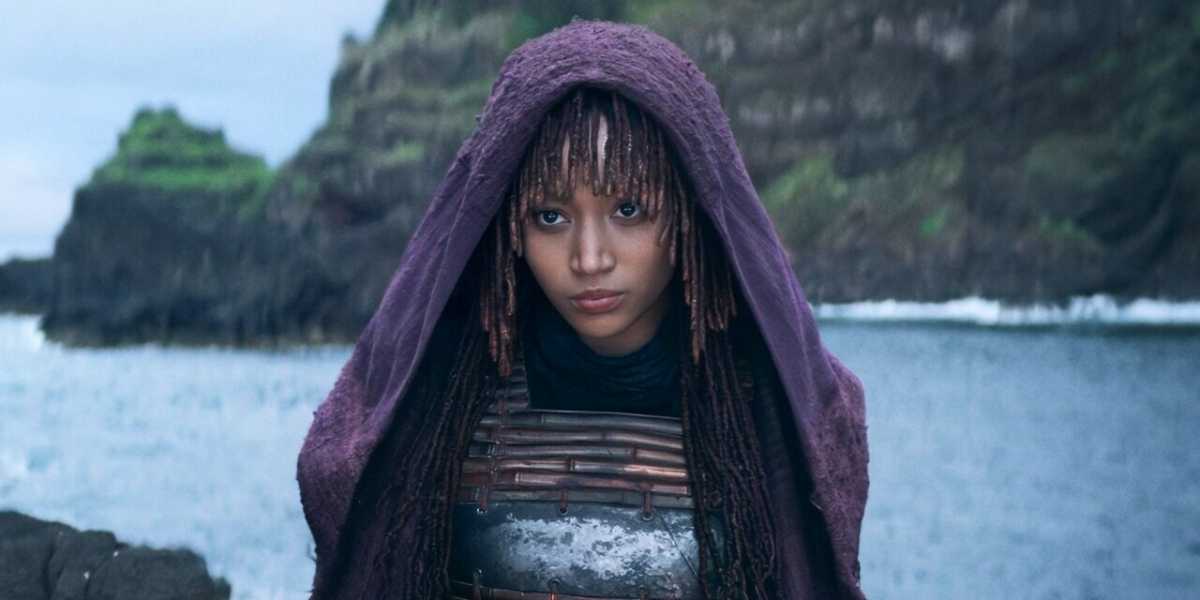
Before its debut, The Acolyte was positioned as something slightly different. Set decades before the Skywalker saga – with which some had grown slightly tired after The Rise of Skywalker (2019) – it promised a fresh corner of the timeline and a perspective rarely centered in live-action Star Wars storytelling.
That promise, however, did not insulate the show from becoming a flashpoint. From its first episodes, it became clear that the conversation around The Acolyte would extend far beyond its plot.

A Series That Entered a Culture War
Set during the High Republic era, The Acolyte followed former Padawan Mae Aniseya, played by Amandla Stenberg, and Jedi Master Sol, portrayed by Lee Jung-jae. A string of murders gradually exposed fractures within the Jedi Order and hinted at the Sith’s covert return.
Across its eight-episode run, the show divided audiences sharply. Some criticism focused on pacing, dialogue, and structure, echoing familiar debates about serialized streaming storytelling.
Other backlash veered into uglier territory. Stenberg became the target of sexist and racist harassment online, echoing patterns seen during earlier Star Wars and Marvel controversies involving women and actors of color.

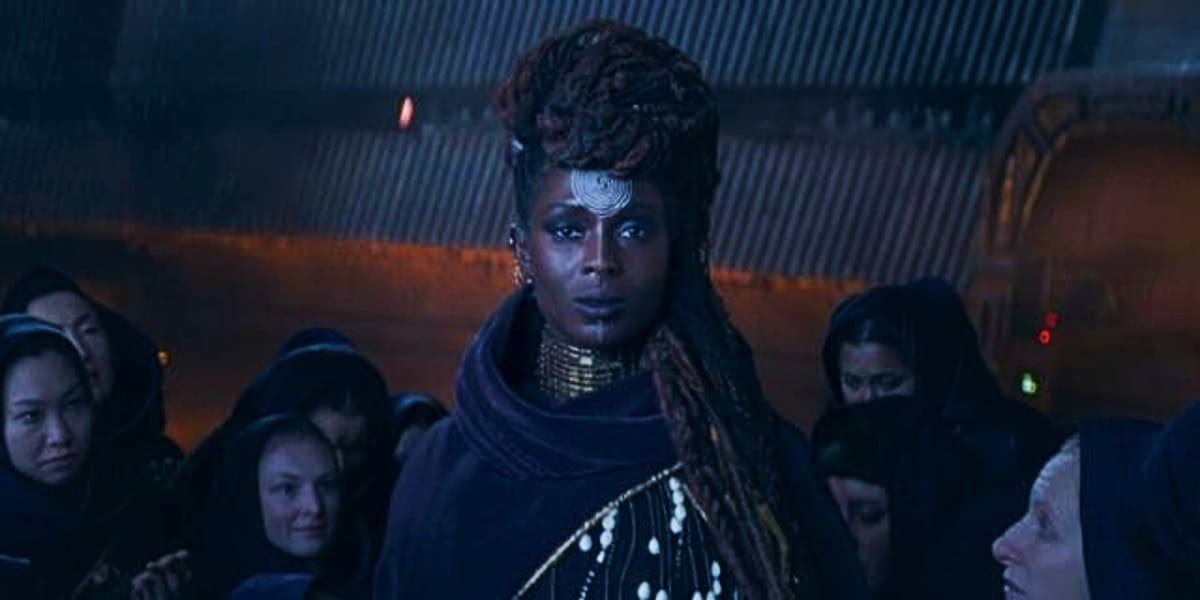
The response drew public condemnation from within the cast. Jodie Turner-Smith, who played Mother Aniseya, criticized Disney’s silence as the abuse intensified.
“They’ve (Disney) got to stop doing this thing where they don’t say anything when people are getting f*cking dog-piled on the internet with racism and bullshit,” Turner-Smith told Glamour UK. “It’s just not fair to not say anything. It’s really unfair.”
Despite the noise, The Acolyte pressed forward to its finale. Just over a month later, the series was cancelled, abruptly ending any immediate plans for continuation.
Leslye Headland’s Definition of Success
Even after its cancellation, The Acolyte has refused to fade quietly. Online debate remains active, particularly following fresh comments from Headland about the show’s legacy.
In The Art of The Acolyte (via Geek Tyrant), Headland reflected on the project’s creative origins and goals. She revealed the series was initially titled The Lost Sister and emphasized its ambition to expand Star Wars storytelling.
“When we set out to make ‘The Acolyte,’ I hoped to create a new expression of ‘Star Wars,’ inventing something to expand on the storytelling I have loved since I was a child,” Headland said. “And since it premiered in 2024, the fans of the series have affirmed this: We succeeded.”
The remark landed forcefully online. For supporters, it felt like a quiet act of defiance against cancellation-as-failure thinking.

For critics, it sparked immediate backlash. One X, formerly Twitter, user wrote, “Getting cancelled after one season and crying with a bunch of alt accounts about it for 2 years doesn’t really feel nor look like success.”
Another added, “So making a commercial failure of a self-insert father issue harlequin romance set in a once beloved sci-fi setting is considered a success? Failing upwards in Hollywood is indeed a thing.”
‘The Acolyte’ Arguably Did Achieve Its Goal
Headland’s framing, however, was not financial. By most metrics, The Acolyte struggled to justify its reported budget through viewership alone.
Her argument centered on intent and impact. The show attempted to interrogate Jedi morality, power structures, and spiritual imbalance in ways rarely explored on screen. That approach resonated with a vocal subset of fans who continue to champion its themes, characters, and unresolved arcs.
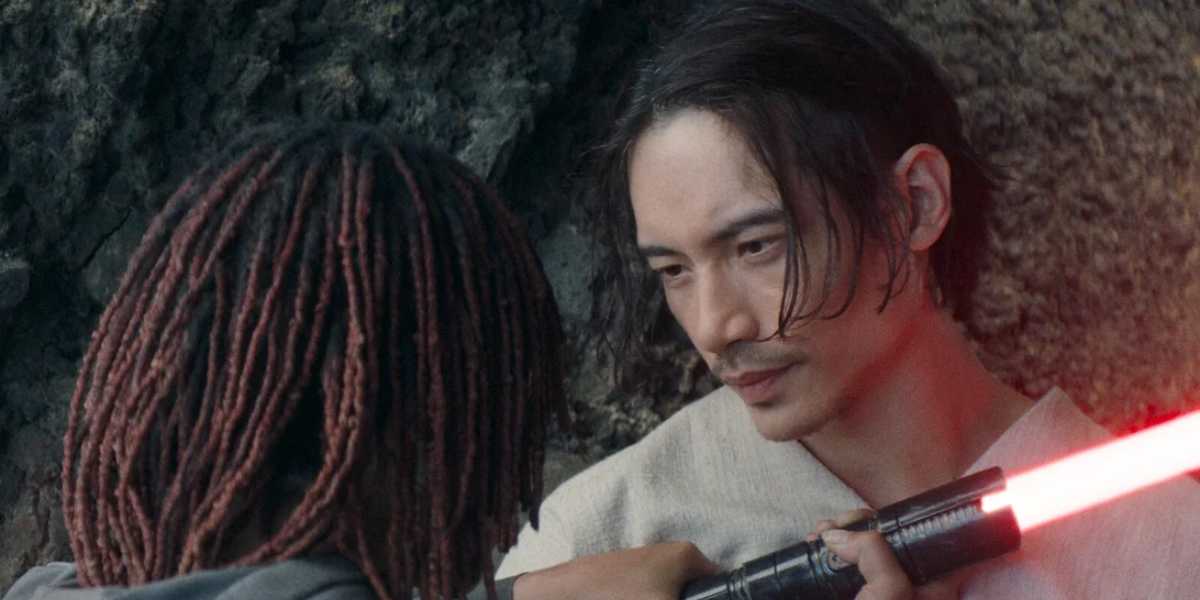
Like it or not, it was a new kind of Star Wars story – and for that alone, The Acolyte deserves some respect.
Whether that passion will translate into future revival efforts remains uncertain. Lucasfilm’s leadership transition to Dave Filoni and Lynwen Brennan signals a recalibration.
Recent reporting suggests upcoming Star Wars projects may lean more heavily on proven commercial appeal. The fate of the long-discussed MandoVerse film, for example, hinges on the box office performance of The Mandalorian & Grogu – the first Star Wars film to hit theaters since The Rise of Skywalker (2019) – in May.
Would you like to see a second season of The Acolyte?