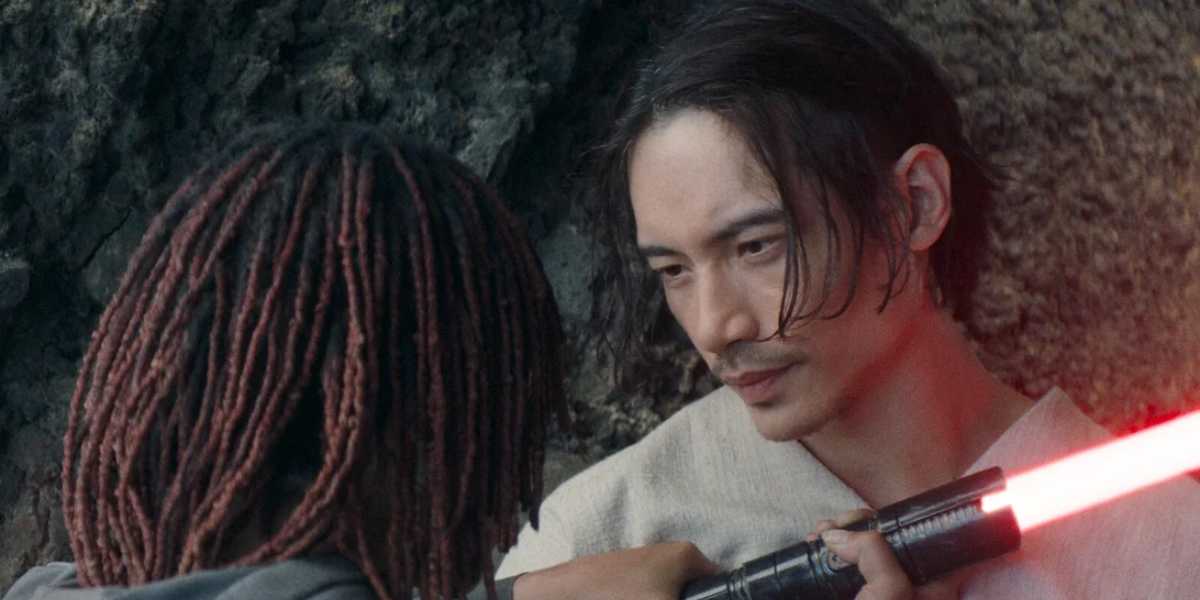
‘The Acolyte’ Season 2 Sets Disney’s Sequel Trilogy Retcon in Motion

The Acolyte arrived on Disney+ with a mission few Star Wars projects had attempted before: push the timeline backward, explore the High Republic in live action, and challenge long-held assumptions about the Jedi and the Sith. Plans were already forming for a deeper second season, but the series stopped after its initial eight-episode run, leaving multiple threads unresolved.

Set long before the Skywalker saga, The Acolyte unfolded during the High Republic era, a period previously confined to books and comics. Created by Leslye Headland, the series focused on the Jedi Order during its height while charting the emergence of dark side forces operating outside the traditional Sith hierarchy. Rather than presenting a simple good-versus-evil framework, the show leaned into moral conflict and competing Force philosophies.
The approach quickly fueled heavy discussion among fans. Much like the reaction cycle surrounding Star Wars: Episode VIII—The Last Jedi (2017), weekly episodes triggered intense online debate about lore adjustments, character motivations, and thematic direction.
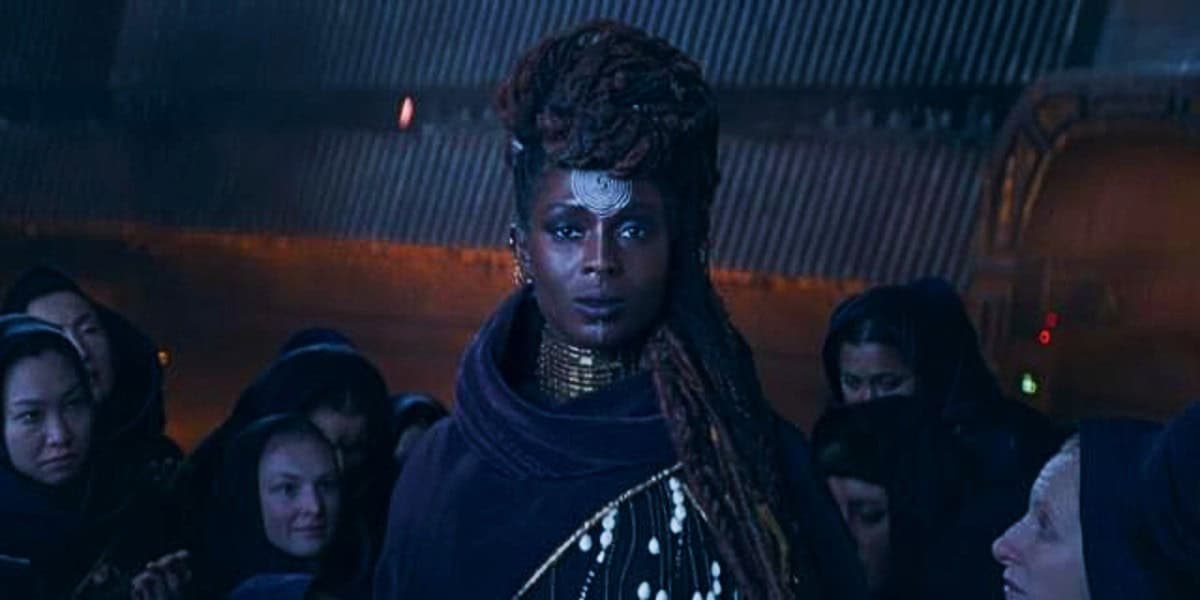
Despite strong notices for its cast and its willingness to take narrative risks, The Acolyte did not receive a Season 2 order. Trade outlets pointed to lower-than-expected viewership as the deciding factor behind the cancellation.
At the same time, many viewers argued the show faced sustained backlash online tied to its themes and performers, including Amandla Stenberg (Osha/Mae Aniseya), Lee Jung-jae (Jedi Master Sol), Manny Jacinto (Qimir/The Stranger), and Jodie Turner-Smith (Mother Aniseya).
From the moment it was announced, the series drew attention as a female-led Star Wars story steered by Headland, a queer showrunner, and anchored by a diverse cast. Supporters praised the expanded point of view, while detractors in certain online spaces labeled the project “woke” and overly focused on social commentary.

Disney Entertainment co-chairman Alan Bergman later suggested the production’s scale and budget made continuation difficult to justify. However, outside analytics firms later reported that demand signals for The Acolyte compared favorably with Obi-Wan Kenobi, The Book of Boba Fett, and Dave Filoni’s Ahsoka across several tracking categories. That contrast indicated cost considerations weighed heavily in the final call.
Story plans for Season 2 would have pushed further into character histories and dangling mysteries. Some of those details have since surfaced through official companion books, including “Star Wars: The Acolyte Visual Guide,” which sheds new light on Manny Jacinto’s Qimir.

The Season 1 finale included a brief appearance by a hidden Sith figure confirmed as Darth Plagueis, seen on Qimir’s stormy homeworld. The visual guide describes the planet as containing “an intelligent reptilian species that lives far from the islands.”
Analysts and outlets such as The Holo Files (via The Direct) have linked that description to Bal’demnic from Star Wars Legends, known as the site where Darth Plagueis once killed Darth Tenebrous. The same planet is associated with cortosis deposits, a rare lightsaber-resistant metal, aligning with Qimir’s unusual armor.
The book also expands Qimir’s criminal background, noting he “spent some time gunrunning in Hutt Space,” territory controlled by the Hutt Clan, including Jabba the Hutt. That added layer reframes him as a far more dangerous operator than his calm demeanor initially suggests.

Qimir’s age is officially listed as “unknown,” encouraging theories about how long he has been active. The guide references his work with rare substances, including “a rare nori-inkal from Boothi IV” and “an oily serum that revitalizes aged skin and eliminates wrinkles,” suggesting he may have extended his lifespan through chemical means.
His Sith status remains intentionally murky. The guide calls him “a pretender to [Sith] lineage… Whether he is the true heir to the Sith is a mystery no one will survive to solve.” His helmet is described as purely “cosmetic,” confirming he fights through Force perception rather than sight.

Further connective hints appear in the upcoming book “The Art of Star Wars: The Acolyte (Season One)” (2026), which ties Qimir’s design and narrative direction to later timeline developments, including links to the sequel trilogy.
“It was in the design of the character, as well as knowing that we were going to introduce Darth Plagueis, who has to end up with Palpatine as his apprentice,” Leslye Headland said in the book.
“Following the Rule of Two–a precept that limited the Sith to just two at any given time, a master and an apprentice–one way to keep it going is if the Stranger is the first Knight of Ren, part of a Sith-adjacent cult that we know eventually survives.”

Additional design commentary strengthens that bridge. Artist Nick Tyrel explains in Baver’s book (via The Holo Files): “The slight frill at the back of the helmet–a design element that dates back to the franchise’s samurai influence and notably first seen in Vader’s design–hints at a link between the Stranger and the Star Wars sequel trilogy’s masked antagonist Kylo Ren, an idea storytellers took from the design.”
Headland further elaborated on the naming mystery around Qimir’s alias in expanded coverage from The Holo Files, suggesting Season 2 might have more directly connected him to the Ren legacy.
“And since we never name him,” Headland explains, “you don’t know: Does he have a first name, and then his last name is Ren? Is he the original Ren? It’s a good way to nod to it without having to give away too much information.”

The Knights of Ren, first referenced in Star Wars: Episode VII—The Force Awakens (2015) and later featured in Star Wars: Episode IX—The Rise of Skywalker (2019), operate outside formal Sith doctrine, following a destructive dark side creed. The title “Ren” refers to a philosophy rooted in raw will and ruin. Before Ben Solo joined, the group followed a leader called Ren, who wielded a red lightsaber forged from a broken hilt and led the group as raiders.
After Luke Skywalker’s Jedi Temple fell, Ben Solo became Kylo Ren and took command. In The Rise of Skywalker, the Knights ultimately turn on him after his return to Ben Solo and are defeated on Exegol. The comic series “Star Wars: The Rise of Kylo Ren” (2019–2020) by Charles Soule and Will Sliney further chronicles their origins and Ben’s takeover, reinforcing how dark side traditions keep evolving.

Even with mixed reactions, The Acolyte built a dedicated following drawn to its character drama, its critique of Jedi institutional blind spots, and its introduction of Darth Plagueis into live-action canon. With the show finished, Lucasfilm’s streaming slate is thinner than usual. Ahsoka Season 2 is currently the only confirmed live-action Star Wars series in production, aiming for a 2026 release, with Dave Filoni shaping it to function as a potential endpoint if needed.
On the film side, Star Wars will return to theaters with The Mandalorian and Grogu (2026), the first feature since The Rise of Skywalker nearly seven years ago. Shawn Levy’s Star Wars: Starfighter is set for May 2027, while Simon Kinberg is developing a new trilogy that may or may not overlap with Sharmeen Obaid-Chinoy’s delayed Rey-focused “New Jedi Order” project.

For now, The Acolyte remains a short-lived but ambitious entry that opened major mythological doors–and left many of them open.
How do you feel about The Acolyte Season 2 getting cancelled by Disney? Let us know in the comments down below!