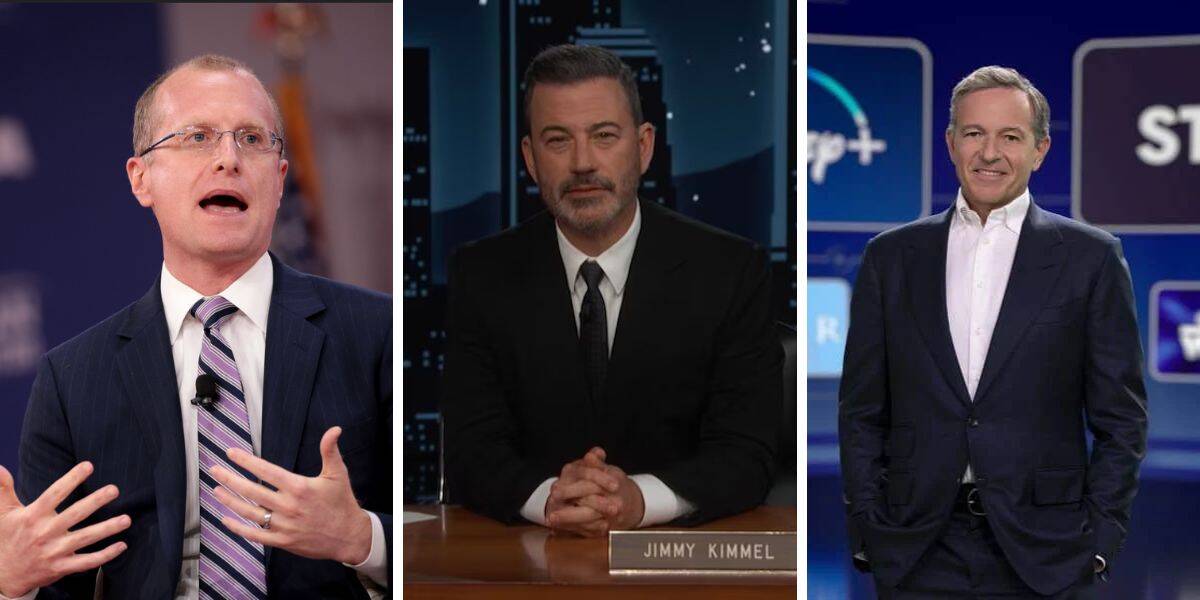
Disney Reports Pressure from Affiliates Led to Kimmel’s Brief Suspension

Disney’s Strategic Decision-Making
The Walt Disney Company recently revealed that Jimmy Kimmel’s temporary suspension stemmed from pressure applied by affiliate owners. In a filing to the Federal Communications Commission (FCC), Disney detailed the complexities of its relationship with affiliates, especially amid an ongoing investigation into their influence over programming decisions.
The FCC’s inquiry aims to assess the extent of influence that affiliate owners have over broadcasters, such as Disney. Many industry observers have raised concerns about potential overreach from local stations, which could impact content fairness and viewer choice. This scrutiny is particularly pertinent given the shifting landscapes of media ownership and the increasing clout of major station groups.
The filing indicated that affiliate stations, particularly those owned by Nexstar and Sinclair Broadcasting, contributed significantly to Kimmel’s suspension. These stations reportedly threatened to preempt Kimmel’s show altogether, signaling a severe response over his comments regarding Charlie Kirk’s death. This pressure underscored the increasing influence of affiliate owners in the decision-making processes of larger broadcasting networks.
Disney executives had internally debated the necessity of Kimmel’s suspension. Many did not believe that his remarks warranted such a response, leading to an apparent disconnect between corporate leadership and affiliate interests. Ultimately, the fear of losing airtime on crucial broadcasts prompted Disney to appease its affiliate owners, highlighting the delicate balancing act the company must perform between content creators and distributors.
The Kimmel Suspension Incident
The situation escalated in September when Kimmel made remarks that controversially referenced Charlie Kirk.
His comments sparked backlash that reverberated throughout media networks and prompted reaction from across the political spectrum. The unfavorable response to Kimmel led to calls from influential figures, including FCC Chairman Brendan Carr, to reconsider the airing of his show.
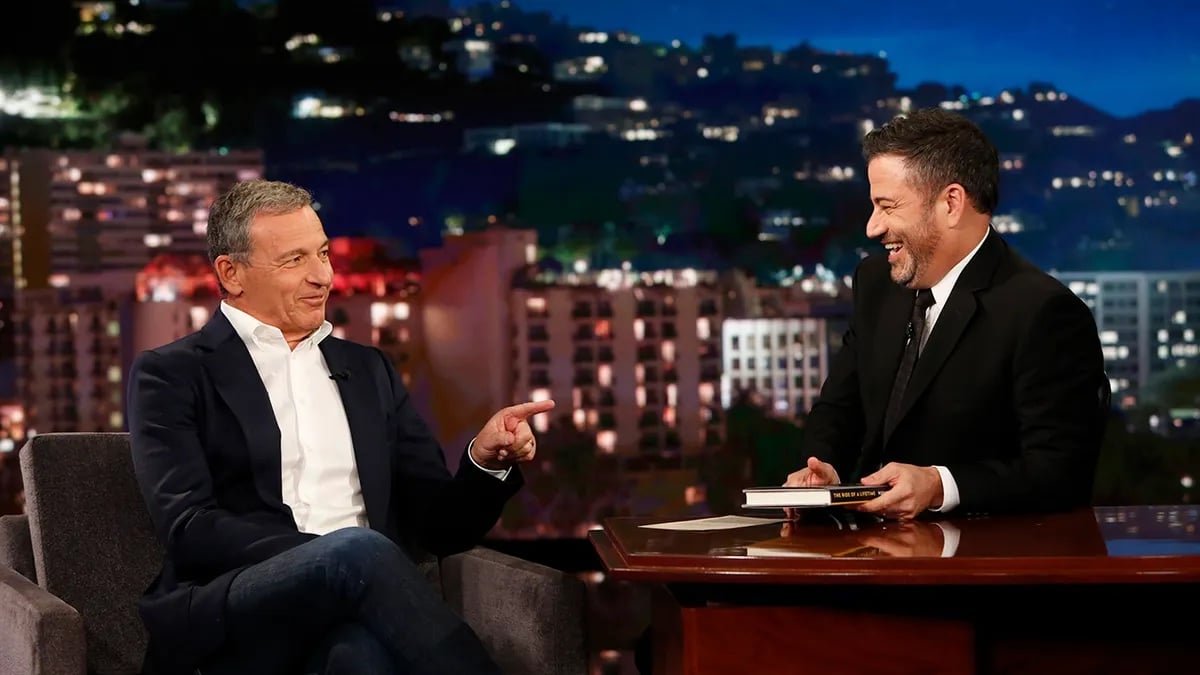
Following Carr’s statements, Nexstar, the nation’s largest station owner, reacted quickly by announcing its intent to pull Kimmel’s show from its lineup. This move sent ripples through the industry, as other affiliates aligned themselves with Nexstar’s stance, reinforcing the pressure on Disney to act.
Rather than remain firm in support of Kimmel, Disney opted to temporarily suspend him, citing the need to respond to affiliate owners. This decision highlighted how affiliate relationships can influence content, with Disney making moves to present itself as compliant with regulatory expectations and market realities.
Aftermath and Reinstatement
Kimmel’s suspension lasted less than a week, a relatively short timeframe in the context of such controversies.
His brief absence from screens highlighted the unsettling impact that affiliate pressures can have on major broadcasters. After receiving pushback from viewing audiences and critics alike, Disney reinstated Kimmel.
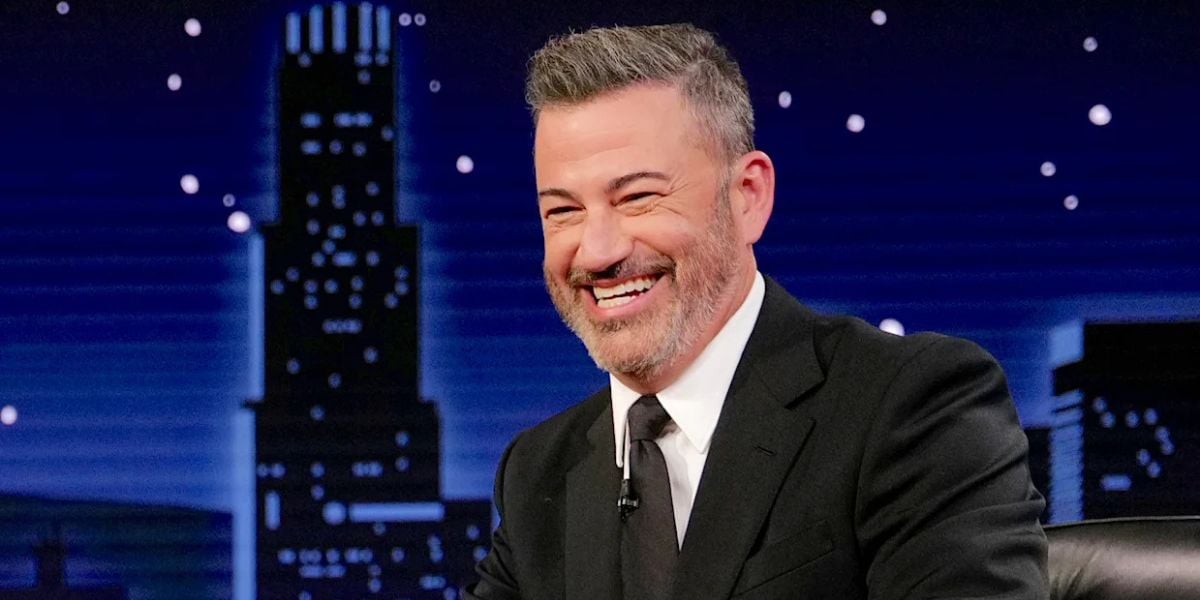
The public reaction to the suspension was mixed, with many viewers outraged that a popular late-night host had been silenced due to external pressures. Industry insiders noted that this incident could have far-reaching implications for how content is managed and perceived in a highly polarized market.
While Kimmel was restored to the airwaves soon after, he initially remained absent from Sinclair and Nexstar-owned stations. Eventually, he returned to all national platforms—a decision influenced by the rapid change in both public sentiment and internal evaluations at Disney.
Future Implications for Disney
Looking ahead, the Kimmel incident highlights potential shifts in the broadcasting landscape.
The FCC’s investigation could lead to regulatory changes that might impact the dynamics between broadcasters and their affiliate stations. If new rules are implemented, stations may have increased power over content decisions, potentially leading to a less diverse media landscape.

The Kimmel saga has underscored the delicate relationships between Disney and its affiliates. As pressure mounts from these owners, Disney may need to reassess its programming approach, striking a balance between creative freedom and the operational realities imposed by its affiliates.
Moving forward, Disney may consider a strategic shift, potentially emphasizing direct partnerships or alternative distribution models to lessen reliance on traditional affiliate broadcasts. This strategic reflection could emerge as the entertainment industry grapples with increasingly vocal affiliate owners, as seen in the recent suspension case.
The interplay between affiliate owners and network operations has been laid bare through the suspension of Jimmy Kimmel. The event serves as a reminder of the complexities facing major broadcasters as they navigate pressures from both regulatory bodies and affiliate partners.