
Final Report Reveals What Really Happened During the Epic Universe Tragedy
Closure Finally Arrives

The final piece of the tragic puzzle has been solved as officials release distressing news over the guests who lost their lives at Epic Universe in September 2025.

A Dream Day at Epic Universe Turns Into Tragedy, Sparking New Safety Questions for Universal Parks
Under the glow of Orlando’s newest theme park skyline, a day meant for laughter and excitement ended in heartbreak. The hum of roller coasters, the rush of wind, and the cheers of park guests painted a scene of carefree adventure—until the noise stopped.
Within minutes, joy turned into panic, and what unfolded has since left both fans and officials grappling with uneasy questions about how such a tragedy could occur at one of the world’s most advanced theme parks.
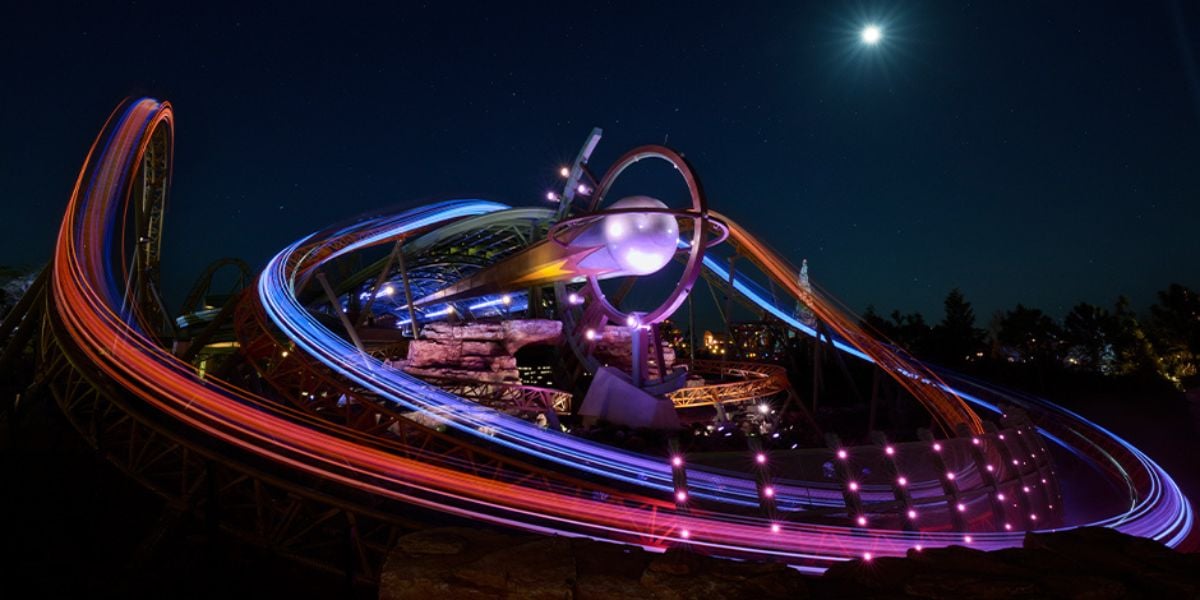
What went so terribly wrong on Stardust Racers at Universal’s Epic Universe?
Chaos and Heartbreak at the Scene
Witness accounts and newly released reports describe a chaotic scene after 32-year-old Kevin Rodriguez Zavala was found unresponsive when his coaster train returned to the loading platform. Deputies from the Orange County Sheriff’s Office (OCSO), who happened to be off-duty inside the park, responded immediately to the distress call reporting a “man down.”
When first responders reached the attraction, Zavala was still seated in one of the ride’s chairs, unresponsive. A Universal Team Member ordered that the lap bar be released so emergency medical staff could begin CPR. According to the report, medical intervention supplies were scattered around the area—plastic wrappings, gloves, and the remnants of a desperate attempt to save a life. Despite the efforts of Orange County Fire Rescue, Zavala was later pronounced dead at a nearby hospital.
His girlfriend, who had been seated beside him, was reportedly distraught, “visibly shaken” and suffering panic attacks, according to sworn statements included in the sheriff’s report. She recalled seeing him hit his head multiple times during the intense attraction—a high-speed racing coaster that serves as one of Epic Universe’s major new headliners.
The Investigation’s Final Findings
The OCSO has now confirmed—via reports first obtained by WESH 2 News—that Zavala’s death was accidental. There was no evidence of criminal activity, negligence, or illicit behavior. The Orange County Medical Examiner’s Office further confirmed that Zavala suffered “multiple blunt impact injuries,” ultimately determining the cause of death to be accidental trauma.
Zavala’s wheelchair and transfer chair—used to assist him in boarding the coaster—were photographed and catalogued as evidence. The coaster train itself, particularly the second-to-last row where Zavala and his girlfriend were seated, was also examined as part of the standard investigation procedure. With no criminal acts identified, the case has officially been closed.
And yet, for many, the questions remain.

Why This Tragedy Matters
Theme park rides are designed with redundant safety systems, carefully calibrated to ensure that accidents like this are all but impossible. The fact that a guest could suffer fatal injuries on a fully operational attraction at a brand-new park underscores one of the most important but often overlooked aspects of theme park safety: communication.
Every major theme park—Disney, Universal, SeaWorld, and beyond—posts strict health and safety warnings for riders. But how clearly are those warnings understood? For guests with physical disabilities, personal medical conditions, or reduced mobility, those instructions can be a matter of life or death. Ensuring guests know what to expect and whether their bodies can handle the ride’s physical demands has never been more essential.

Lessons for Universal and the Industry
While Universal Orlando’s safety procedures meet rigorous state and federal standards, Zavala’s death may push the industry to reexamine how it approaches accessibility and ride readiness for all guests, particularly thrill rides that involve extreme G-forces or motion. Experts say this tragedy highlights the need for more direct, multilingual, and accessible communication—verbal and visual—about ride dynamics and potential risks.
Theme park safety is not just about mechanical precision; it’s about human understanding. Guests, excited by the thrill of the moment, often skim safety warnings or make spur-of-the-moment decisions to ride something physically demanding. Theme park employees, meanwhile, face immense pressure to keep lines moving efficiently. Striking a careful balance between inclusivity, speed, and caution is becoming harder as rides grow more intense and accessible technology evolves.
Zavala’s case, though ruled an accident, has reignited a quiet but growing conversation within the theme park community: how to make sure the next “must-ride” attraction is both thrilling and truly safe for everyone.

The Road Ahead
Universal’s Epic Universe is set to redefine the theme park experience when it opens fully to the public, promising revolutionary attractions and immersive lands. But for many, the memory of that tragic day will serve as a reminder that even in worlds built for wonder, reality—and responsibility—cannot be ignored.
As parks expand and innovate, vigilance and empathy must guide their progress. Because behind every thrilling moment lies a simple truth: safety, not speed, is what truly defines the magic.



All those words,
And not even a hint of how he died.
Worthless article.