The Marvel Cinematic Universe has been building toward another major event for years, and now that event finally has a name. Avengers: Doomsday (2026) is shaping up to be the movie that pulls together many of the biggest ideas from Marvel’s Multiverse Saga.
That is what makes this one feel different. This is not just another team-up movie with a big villain at the center. It feels like a payoff for everything Marvel has been building across films and Disney+ series, from alternate timelines to returning legacy characters to brand-new teams stepping into the spotlight.
For fans trying to get ready, that can sound like a lot. The good news is that the full MCU rewatch is not necessary. A smaller group of projects does most of the heavy lifting, and together they paint a pretty clear picture of where Doomsday may be headed.
Robert Downey Jr. Changes the Entire Conversation
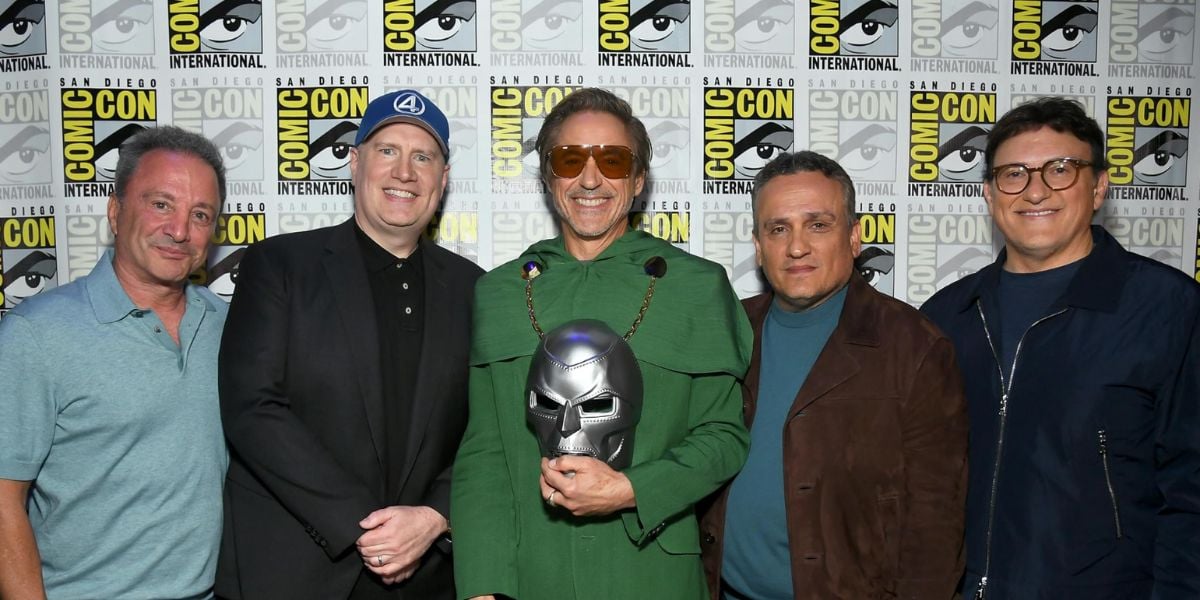
One of the biggest reasons Doomsday already feels huge is Robert Downey Jr.’s return to the MCU. After defining Tony Stark for more than a decade, he is not coming back as Iron Man. Instead, he is stepping into the role of Victor Von Doom.
That twist instantly raises the stakes. Doctor Doom is one of Marvel’s most feared villains, and placing him at the center of this era makes the Multiverse Saga feel even bigger. Casting confirmations also point to a movie that will bring together heroes and teams from across the MCU. Sam Wilson / Captain America (Anthony Mackie), Thor (Chris Hemsworth), and Loki (Tom Hiddleston) all help show how wide this story could stretch. Add in the Thunderbolts and the Fantastic Four, and the foundation starts to feel massive.

The Movies and Shows That Matter Most
A few projects stand out for understanding the path to Doomsday. Avengers: Infinity War (2018) and Avengers: Endgame (2019) remain essential because they reshaped the MCU and left behind both emotional fallout and timeline complications. Thanos (Josh Brolin) showed how dangerous one all-powerful villain can be, and Tony Stark’s sacrifice changed the balance of the universe.
From there, Loki Season 1 (2021) and Season 2 (2023) become some of the most important viewing in the entire Multiverse Saga. The TVA, branching timelines, and the instability of reality itself all push the MCU into a much bigger arena. That naturally connects to Spider-Man: No Way Home (2021), where Marvel fully opens the door to characters from outside the standard MCU timeline.

When the Multiverse Starts Expanding Fast
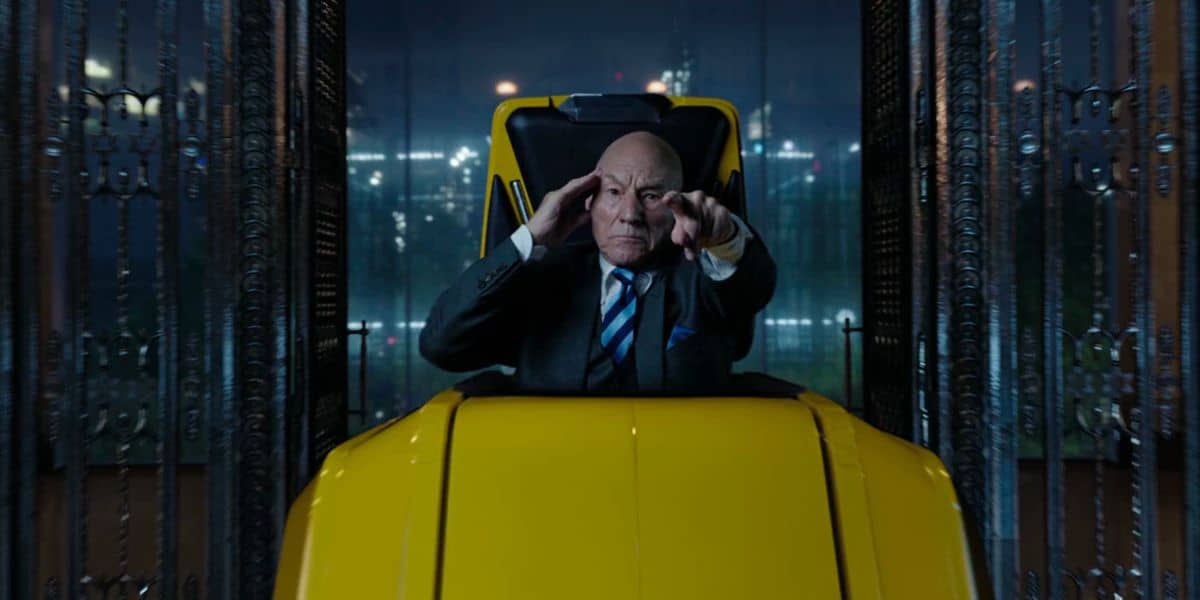
Once No Way Home breaks open that door, Doctor Strange in the Multiverse of Madness (2022) pushes through it. The film takes Doctor Strange (Benedict Cumberbatch) across alternate realities and introduces the Illuminati, including Professor X (Patrick Stewart). That move makes it clear that Marvel is no longer treating older franchises like separate worlds that have to stay separate forever.
Ant-Man and the Wasp: Quantumania (2023) adds another piece by tying major danger to alternate timelines and reality-bending power. Then Deadpool & Wolverine (2024) takes things even further by blending Wade Wilson / Deadpool (Ryan Reynolds) and Logan / Wolverine (Hugh Jackman) into the MCU conversation. By that point, Marvel is no longer hinting at crossover chaos. It is fully embracing it.

Why the New Teams Matter
The closer Marvel gets to Doomsday, the more the newer corners of the MCU start to matter. Captain America: Brave New World (2025) places Sam Wilson firmly in a leadership position. Thunderbolts (2025) brings together a rougher, less traditional team that could shift the balance in unexpected ways.
Then there is The Fantastic Four: First Steps (2025), which may be the most important setup of them all. Reed Richards / Mister Fantastic (Pedro Pascal), Sue Storm / Invisible Woman (Vanessa Kirby), Johnny Storm / Human Torch (Joseph Quinn), and Ben Grimm / The Thing (Ebon Moss-Bachrach) finally enter the picture, and Doctor Doom’s long history with that group makes the connection hard to ignore.
The Final Pieces Before Doomsday
Marvel also adds two more titles that may matter more than some fans expect. Wonder Man (2026) introduces Simon Williams / Wonder Man (Yahya Abdul-Mateen II), while Spider-Man: Brand New Day (2026) continues Peter Parker’s story after the ending of No Way Home. Both projects help push the MCU forward right before Doomsday arrives.
There is also a strong case for revisiting the original X-Men films, especially X-Men (2000), X2: X-Men United (2003), and X-Men: The Last Stand (2006). Those movies introduced versions of Wolverine (Hugh Jackman), Storm (Halle Berry), and Professor X (Patrick Stewart) that still matter in the larger Multiverse conversation.
The MCU Is Building Toward Something Huge
All of this is why Avengers: Doomsday (2026) already feels so important. Marvel has spent years laying the pieces, and now they’re starting to move toward the same collision point.
From the Infinity Saga fallout to timeline fractures, Multiverse crossovers, new team formations, and Doctor Doom’s arrival, the road to this movie is already packed with major setup. Fans do not need to watch everything, but these twelve projects tell the story that matters most.