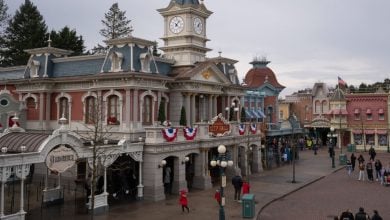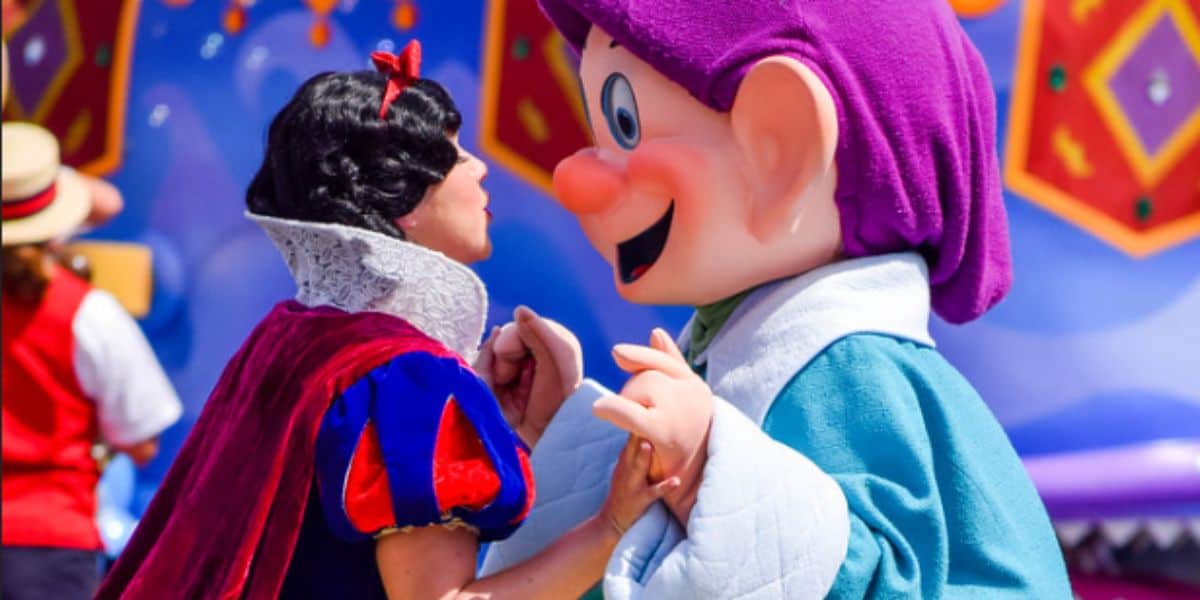
“Woke” Move: Disneyland Retires Classic Snow White Character From Theme Park

Snow White has become one of Disney’s most controversial classic characters in recent years, and the debate around how the company handles her story is now spilling into the theme parks.
The backlash surrounding Snow White (2025) already showed how sensitive fans can be when Disney reworks one of its oldest properties.
Now, another change has put the character back in the spotlight.
This time, the debate centers on a classic Disneyland Paris attraction and a familiar character who is no longer standing beside Snow White at the end.
Snow White Already Faced a Modern Makeover
Disney’s live-action Snow White (2025), starring Rachel Zegler, changed several elements from Snow White and the Seven Dwarfs (1937).
One of the biggest differences involved the romance.
The newer movie moved away from the traditional Prince-centered ending and gave Snow White a more independent, leadership-driven story.
That decision became part of the larger criticism surrounding the remake, with some fans arguing Disney had tried too hard to modernize a classic fairy tale.
The movie later struggled at the box office.
With that history still fresh, fans are now looking closely at another Snow White change.

Disneyland Reopens Classic Attraction
Blanche-Neige et les Sept Nains at Disneyland Paris reopened July 28, 2026, after a multi-month refurbishment.
The attraction returned with several updates, but one of the most noticeable changes appeared in the final scene.
Before the refurbishment, guests saw physical figures of Snow White and the Prince together alongside the Seven Dwarfs.
That physical pairing is no longer there.
Disney installed a new static Snow White figure in the finale, while the physical Prince figure that once appeared next to her has been removed.
The Prince Is Still There — Just Differently
Disney did not completely erase the Prince from the scene.
Instead, Disneyland Paris added the Prince and his horse to the painted mural behind the finale. Disney says that change makes the ending more consistent with Snow White and the Seven Dwarfs (1937).
That distinction matters.
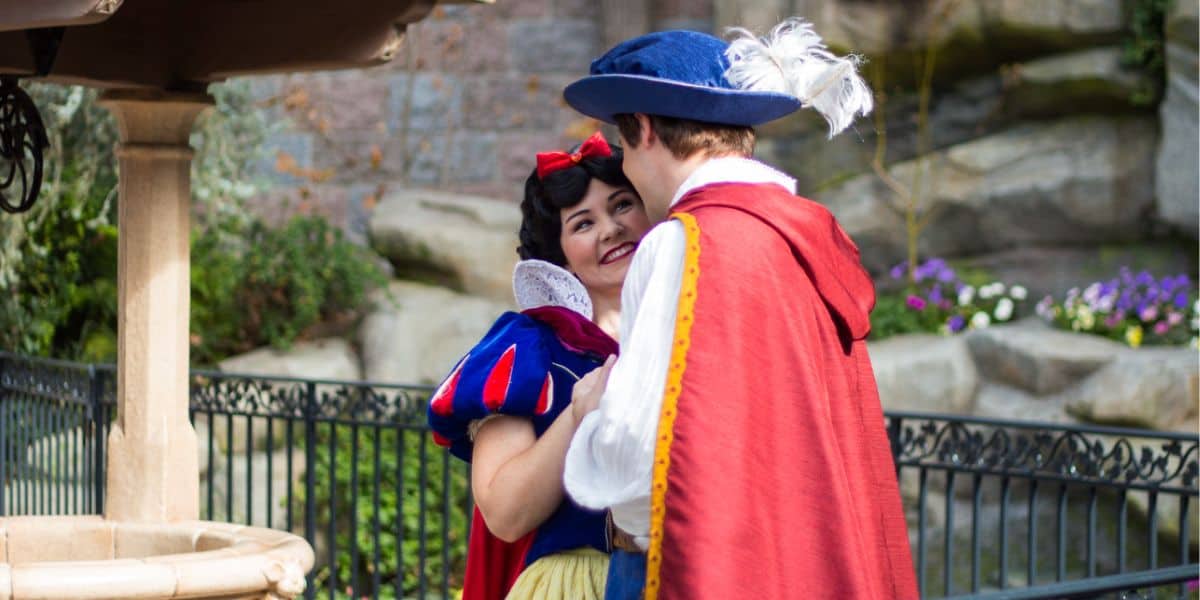
The Prince still appears in the attraction, but guests no longer see him physically standing beside Snow White. Snow White remains represented as a physical figure. The Prince has become part of the background artwork.
For some fans, that difference changes the feel of the ending.
Fans Connect the Change to Disney’s “Woke” Debate
Disney has not said that the Prince figure was removed for political reasons, nor has it connected the refurbishment to Snow White (2025).
Still, critics quickly made that comparison.
One fan sarcastically joked that Disney wanted the ride to resemble the live-action remake because that movie was “such a success.”
The same commenter referenced “Someday My Prince Will Come,” arguing sarcastically that modern Snow White apparently no longer needs a prince because she is now a “girl boss.”
Other reactions were just as blunt.
“Don’t fix it if it ain’t broke!” one fan wrote.
Another called the change “Ridiculous,” while others responded with “She’s a girl boss! 🙄” and “Paris is going downhill fast.”
Those reactions reflect fan opinions, not Disney’s stated reasoning.
But they also center on one undeniable change: the physical Prince figure is no longer standing with Snow White.
A Mural Doesn’t Feel the Same to Every Fan
The Prince’s presence in the mural keeps him inside the story.
Still, critics argue that a painted character does not create the same effect as a physical figure standing beside Snow White.
The Seven Dwarfs remain physically represented. Snow White remains physically represented.
The Prince does not.
That is why some fans see the refurbishment as more than a basic technical update.
After the controversy surrounding Snow White (2025), removing the physical Prince from Snow White’s side was always likely to invite comparisons.
Fans Want Disney Classics To Stay Recognizable
Many Disney fans understand that attractions cannot remain untouched forever.
Effects age. Technology changes. Refurbishments happen.
The concern comes when an update changes how a classic story is presented. Blanche-Neige et les Sept Nains represents Disney’s Snow White and the Seven Dwarfs (1937), not a direct recreation of the darker Brothers Grimm version. The Prince and Snow White’s romance is part of that Disney interpretation.
Disneyland Paris has not completely eliminated that romance. The Prince still appears in the mural. But the physical image of Snow White standing beside her Prince is gone.
Disney has not said that the decision reflects any “woke” agenda, and there is no evidence proving that was the motivation. Critics, however, are free to judge the result. Disney can point to the mural and say the Prince is still there. Fans can point to Snow White and say the Prince is no longer beside her.
For some longtime visitors, that is enough to make the change feel much bigger than a routine refurbishment.