For a long time, avoiding crowds at Disney World felt like a solved problem.
You went in late January. You skipped spring break. You aimed for that quiet stretch between Thanksgiving and Christmas.

Those rules worked. Not perfectly, but well enough that experienced guests could feel confident picking a “slow” week.
That confidence is gone now.
Today, people follow the same advice and still find themselves shoulder-to-shoulder by lunchtime. And it’s not because everyone suddenly forgot how to plan. It’s because the rules themselves stopped working.
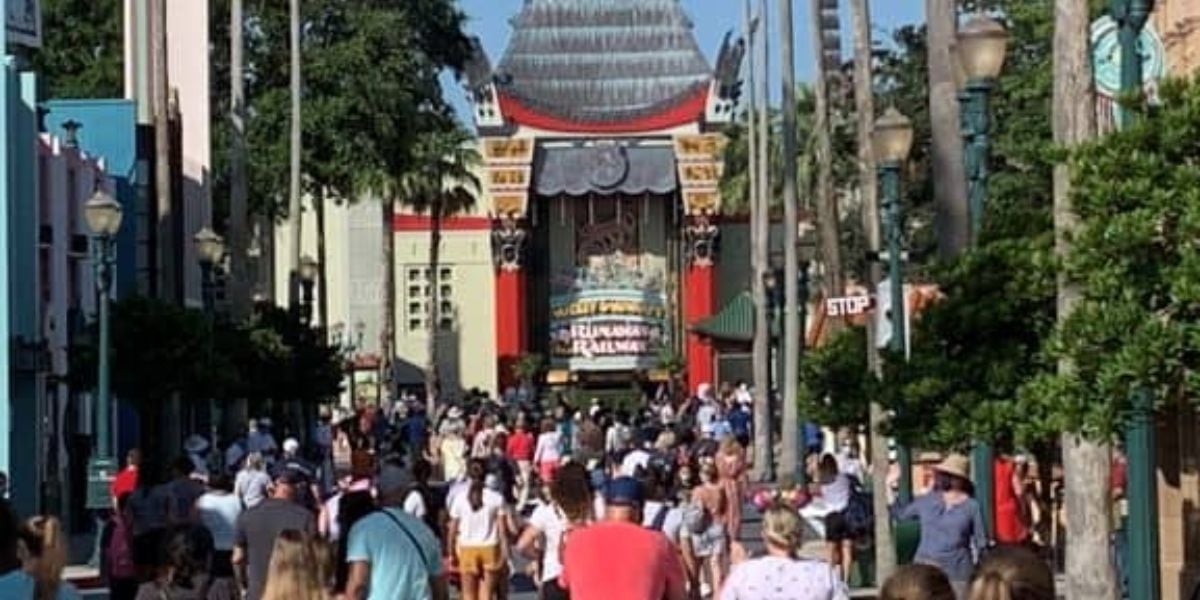
The first thing that disappeared was the true off-season.
Disney used to have real valleys in attendance. Weeks where demand naturally dropped because schools were in session, there were no major holidays, and there was little reason to travel.
Those valleys barely exist anymore.
Between runDisney races, after-hours events, conventions, school breaks, and constant promotions, almost every week now has something pulling people in. Even the traditionally quiet periods come with built-in crowd drivers that simply didn’t exist 15 or 20 years ago.
The calendar didn’t change by accident. Disney filled it. The second major shift is how flexible travel has become. Remote work, hybrid schedules, and year-round schooling mean families no longer have to wait for summer or Christmas. They can travel in February, October, or on a random Tuesday in May.
That spreads demand across the entire year instead of compressing it into a few predictable peaks. In theory, that should make crowds easier to manage. In reality, it erases the quiet weeks. Then there’s how discounts now shape attendance.

In the past, promotions were tied to slow seasons. Today, Disney releases targeted deals year-round, often filling what would have been lighter periods.
When a strong hotel or ticket offer appears, it doesn’t matter what the calendar says. People book. Crowds now follow pricing, not seasons. Another factor most guests underestimate is Lightning Lane.
Even when attendance isn’t extreme, Lightning Lane changes how crowds feel. Standby lines move slower. Wait times rise earlier. Popular attractions hit capacity faster.
So a day that would have felt manageable a decade ago now feels overwhelming by noon.
It’s not always more people.
It’s fewer people in the regular lines.
Finally, social media flattened everything.
Crowd calendars, TikTok tips, blogs, and YouTube channels constantly promote the same “best” weeks and “secret” slow days. When everyone follows the same advice, those days stop being slow.
Instead of spreading crowds out, modern planning concentrates them.
That’s why the old rules don’t apply anymore.
Disney World no longer runs on a simple seasonal rhythm. It runs on flexible work, constant events, dynamic pricing, and real-time crowd movement.
The rules didn’t get worse.
The system got more complicated.