The “Mouse House” has a new captain, and the reaction from the front lines of Frontierland to the streets of Main Street, U.S.A. is anything but a fairytale. In a massive leadership shakeup on March 13, 2026, Disney officially named Thomas Mazloum—the former head of Disney Cruise Line and recent President of Disneyland—as the new President of Disney Parks.
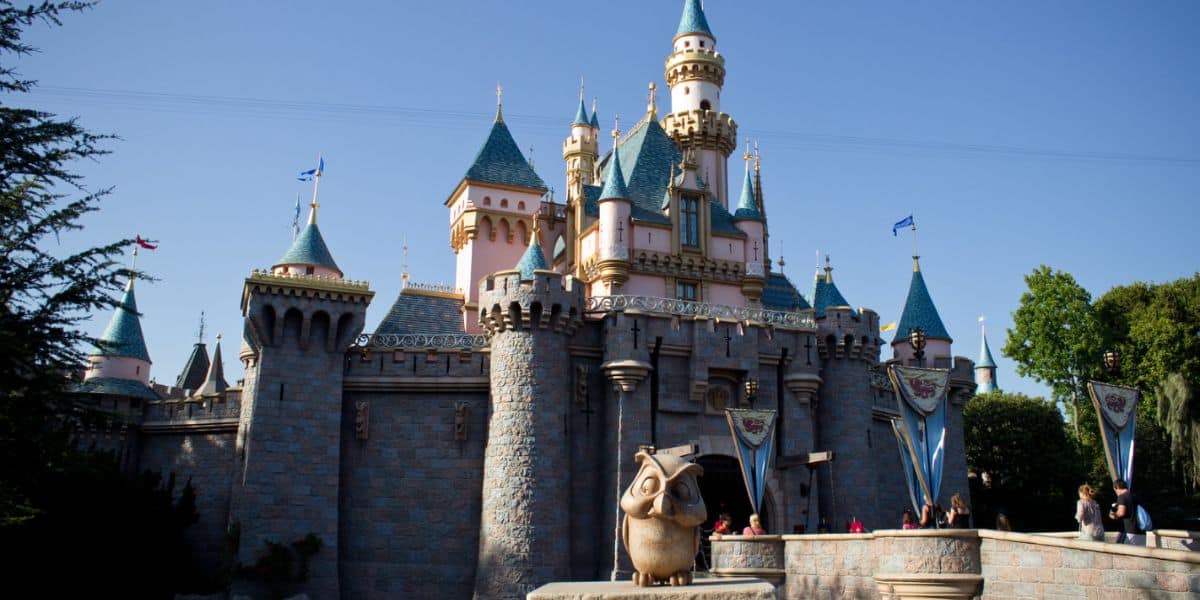
While Mazloum’s “hospitality-first” resume is impeccable, his whirlwind year at Disneyland has left the fan community deeply divided. For every guest cheering for cleaner bathrooms and a “white-glove” standard of service, there is a local “Magic Key” holder fuming over a perceived “corporate purge.”
As Mazloum prepares to bring his “Signature Experience” brand to the construction-heavy landscape of Walt Disney World, here is the real story of what he did in Anaheim—and why some insiders are sounding the alarm.
The Hospitality King: From the High Seas to the High Stakes
On paper, Thomas Mazloum is the perfect successor to lead Disney through its $60 billion expansion. A veteran of Crystal Cruises, he spent years perfecting the art of “ultra-luxury” service before leading the Disney Cruise Line through a period of record-breaking satisfaction scores.
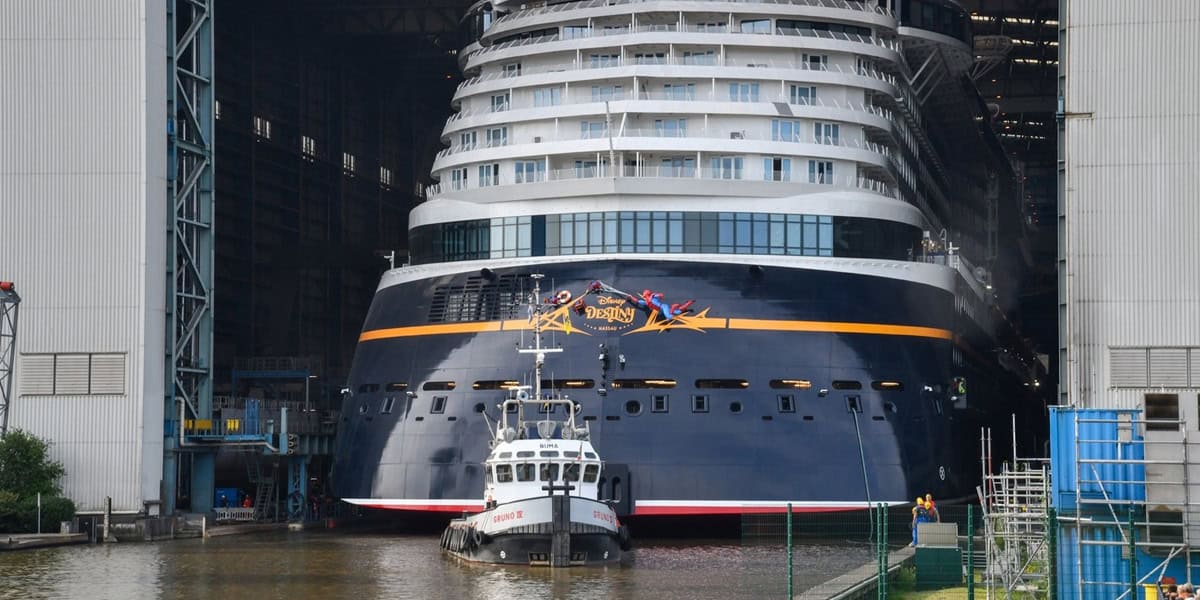
His philosophy is built on a metaphor: “Hospitality is a watering can.” Mazloum famously argues that you must constantly fill the can with new fans because existing fans inevitably “leak” through holes in the bottom—holes caused by rising costs, loss of interest, or poor service. By focusing on impeccable service, he believes you can shrink those holes and keep the brand healthy.
However, as a viral thread recently circulating on X (formerly Twitter) points out, the way Mazloum “plugs the holes” isn’t always magical for the people who visit the parks 50 times a year.
The Disneyland ‘Reset’: The Good, The Bad, and The Plywood
During his year at Disneyland (2025–2026), Mazloum executed what insiders called the “Hospitality Reset.” Depending on who you ask, this was either a much-needed restoration or a ruthless cost-cutting spree masked as “efficiency.”

The “Sparkle” (The Positives):
- Ride Reliability: Mazloum viewed “unplanned downtime” as a moral failure. He expanded overnight maintenance budgets, leading to a reported 1.5 million additional ride experiences in 2025 simply because the attractions didn’t break down as often.
- The Return of All-Day Hopping: He was the man who finally pulled the trigger on restoring all-day park hopping to Disneyland, ending the much-hated 11:00 a.m. restriction.
- The 24-Hour Shine: He implemented a “zero-tolerance” policy for chipped paint and burnt-out bulbs. Under his watch, the parks physically looked better than they had in a decade.
The “Purge” (The Negatives):
However, the recent exchange on X has pulled back the curtain on the “Mazloum Tax.” Critics argue that his obsession with cruise-ship-style efficiency led to the “thinning” of the Disneyland experience:

- The “Menu Massacre”: To streamline kitchen operations, dozens of cult-favorite menu items were reportedly cut across the resort, replaced by “efficient” standardized options.
- Character Disappearances: While the big names stayed, many of the “atmospheric” characters—the roaming residents of Main Street, U.S.A. and Galaxy’s Edge—were thinned out to save on labor costs.
- Mobile Checkout Slashes: In a move that baffled many tech-savvy guests, several Mobile Checkout locations were reportedly removed or scaled back, forcing guests back into physical lines.
- The Staffing “Optimization”: Mazloum’s tenure saw a reduction in late-night operating hours for restaurants and shops, even on busy weekends, leading to what fans called the “9 PM Ghost Town” effect in Downtown Disney.
The “Digital Scramble” War: Ending the 7 a.m. Nightmare
Perhaps the most celebrated rumor from the recent “Scoop” community on X is Mazloum’s disdain for the “Digital Barrier.” For years, Disney guests have complained that they spend their entire vacation looking at their phones to book Lightning Lanes.
According to insiders, Mazloum is spearheading a move back to advance-booking windows for all guests, not just those in the “Premier” tier. The goal? To let families put their phones in their pockets the moment they enter the park. While this sounds like a win, critics worry it will lead to a “pre-booked” experience that lacks the spontaneity of a traditional park day.
The “Piston Peak” Pivot: Quality Over Quantity
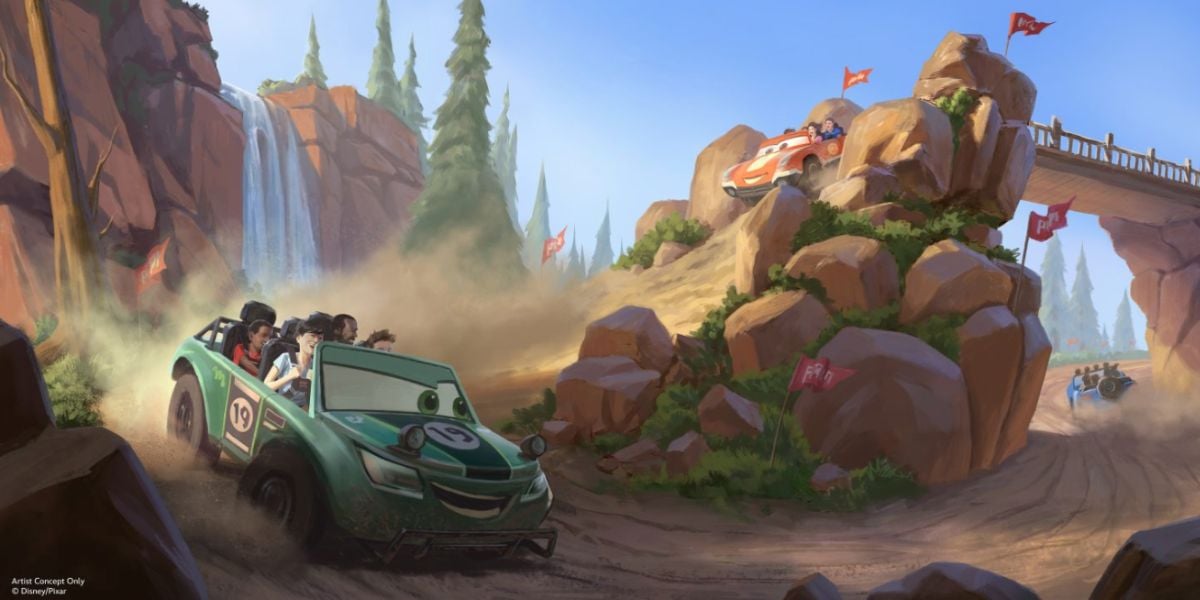
As construction walls overtaking Frontierland for the new Cars-themed expansion, Mazloum’s arrival provides a safety net for the land’s aesthetic—but also a deadline.
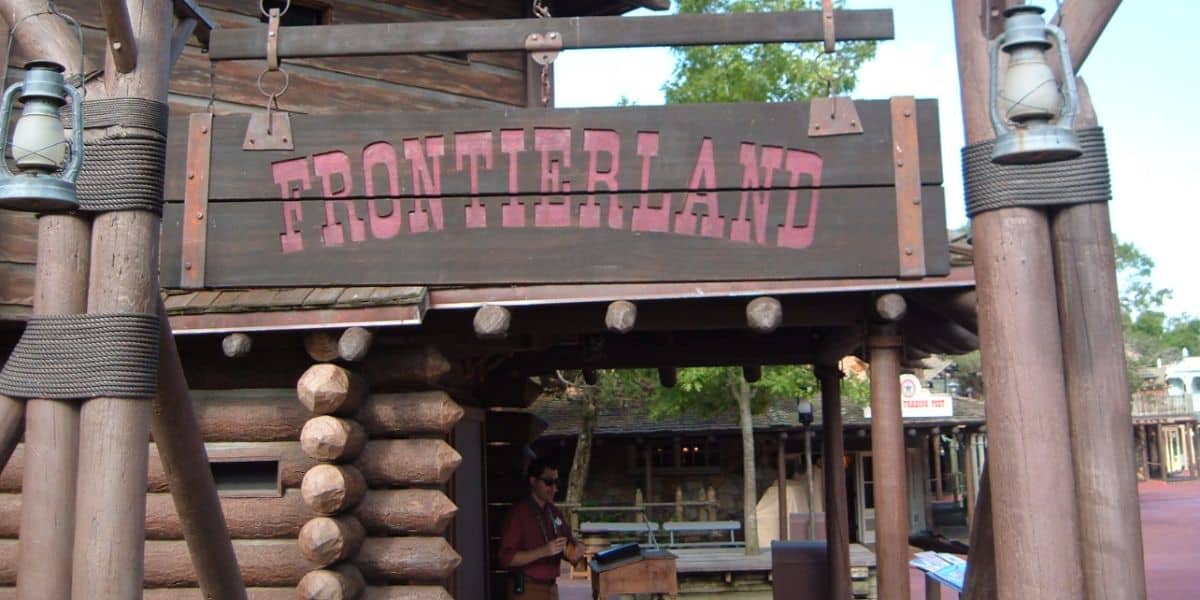
Mazloum is known for his “Signature Experience” standards. The Twitter community is already reporting that Mazloum has pushed back on certain design elements of the Piston Peak off-road attraction, demanding more practical show effects and lush landscaping. He wants the new land to feel like a “luxury wilderness resort,” not just a collection of rides in a parking lot.
However, he is also a “closer.” With Big Thunder Mountain currently in the middle of a 16-month silence, Mazloum is expected to be the one to ensure that no further delays push the reopening past May 2026.
Conclusion: Can You Optimize a Dream?
Thomas Mazloum is not here to be a “fanboy” president; he is here to run a five-star operation. He views the parks through the lens of a luxury cruise ship: they must be clean, efficient, and the service impeccable.
But as the “Scoop” community on social media has warned, efficiency often comes at the cost of the “weird, art-geek” heart that makes Disney different from a standard theme park. As the construction walls go up for Piston Peak, the “Mazloum Era” will be defined by one question: Can you turn a theme park into a signature experience without losing the “Magic” in the margins?
If you are heading to Orlando in 2026, you are walking into the most polished—and perhaps the most clinical—version of Disney World yet.
Are you ready for a “phone-free” Disney vacation, or are you worried the “Mazloum Reset” will cut your favorite snacks and characters?