Fans Are Noticing a Quiet Shift in Volcano Bay’s Future as Florida Proposal Fades Away
What Fans Should Hear

A Universal expansion project has been shelved due to the Florida legislature. Here’s everything we need to know.

A New Era of Water Parks Has Been Taking Shape
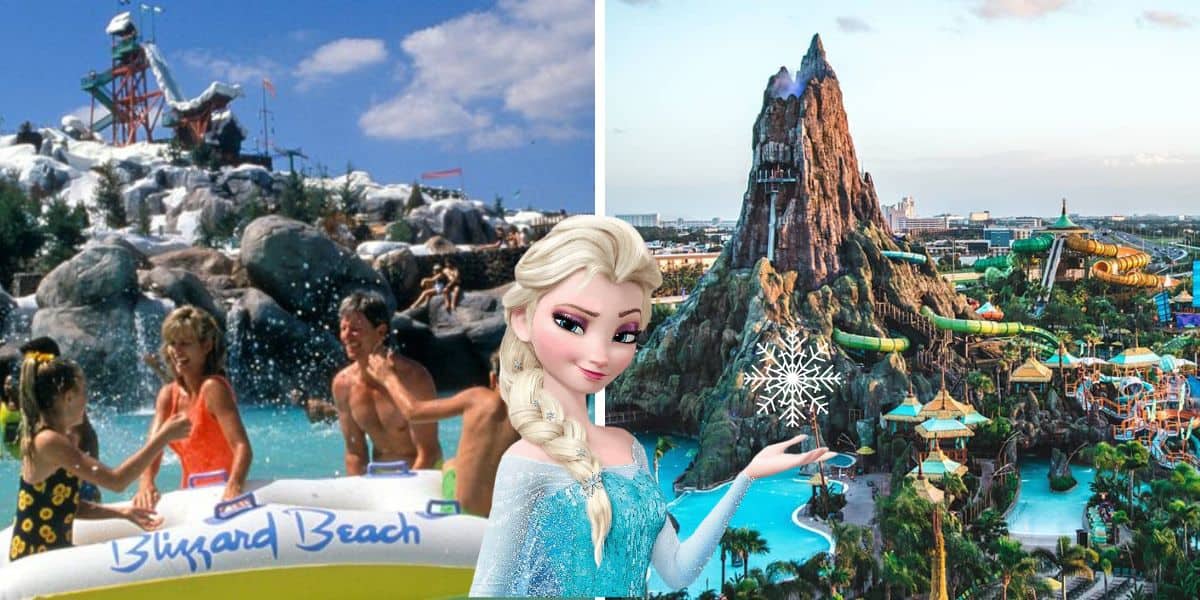
For years, water parks have been evolving beyond lazy rivers and towering slides, transforming into immersive destinations that rival full-scale theme parks. At the center of that evolution is Universal’s Volcano Bay, a park that didn’t just raise expectations—it redefined them.
Guests don’t just visit Volcano Bay—they experience it. From the towering Krakatau volcano to its cutting-edge TapuTapu system, the park has become a blueprint for what modern water parks can achieve. And with that innovation has come something even bigger: a growing demand for what comes next.
Across Florida, and especially in the Orlando area, developers and fans alike have been watching closely. The future of water parks seems poised to expand beyond massive footprints into something more accessible, more frequent—and possibly much closer to home.
Fans Are Noticing a Shift Toward Smaller, High-Tech Experiences
In recent years, artificial wave technology has made enormous strides. What once required sprawling, multi-acre developments can now be achieved in much smaller spaces, opening the door to neighborhood-style surf experiences.
Fans are noticing this shift. The idea of smaller surf lagoons—compact, high-tech, and widely available—has sparked curiosity across the theme park community. These experiences could bring a taste of Volcano Bay’s innovation to areas far beyond major tourist hubs.
Developers have already begun exploring these possibilities. Quiet plans, undisclosed projects, and new partnerships suggest something is brewing beneath the surface. Guests are already reacting to the potential of more frequent, more personalized aquatic attractions.
But behind the scenes, something unexpected has unfolded.

A Surprising Change Behind the Scenes Stops Momentum
A proposed measure in Florida aimed to support exactly this kind of innovation—but it has now quietly disappeared.
The amendment would have lowered the threshold for surf pools exempt from state health regulations, reducing the minimum size from four acres to just a quarter acre. For companies like Martin Aquatic—the Orlando-based developer behind Volcano Bay—this change could have unlocked a wave of new, smaller-scale projects.
Instead, the proposal was withdrawn just days before the legislative session ended, never reaching discussion or a vote.
That quiet decision has created ripple effects across the industry. What seemed like a clear path forward for expanding surf-style attractions has suddenly become far less certain.
Why This Matters for Volcano Bay and Future Experiences
While the measure would not have directly impacted Volcano Bay itself, its implications are hard to ignore.
Martin Aquatic, the creative force behind Volcano Bay, has been actively developing new surf lagoon concepts, including confidential projects in Central Florida. These next-generation experiences rely heavily on the flexibility that smaller-scale developments would provide.
Without regulatory adjustments, many of these concepts face added complexity, potentially slowing or reshaping how they come to life.
Guests are already reacting to what this could mean. The possibility of more localized, innovative water attractions—extensions of what Volcano Bay introduced—now feels less immediate.
And for a park that helped redefine the industry, that pause carries weight.
The Bigger Picture: Innovation vs. Regulation
This situation highlights a growing tension within Florida’s booming attractions industry.
Technology is advancing rapidly. Artificial wave systems are more efficient, more compact, and more versatile than ever before. But regulatory frameworks haven’t fully caught up.
Currently, surf pools under four acres fall under stricter Department of Health oversight, while larger projects benefit from exemptions that allow more flexibility. The proposed amendment aimed to bridge that gap—but with its withdrawal, that divide remains.
Industry leaders argue that adapting regulations is essential for continued innovation. Without it, the next generation of experiences—many inspired by parks like Volcano Bay—may face unnecessary hurdles.

What This Could Mean for Guests Moving Forward
For guests, the impact may not be immediate—but it could shape the future of how and where these experiences appear.
The dream of seeing Volcano Bay-style innovation expand into smaller, more accessible locations may take longer to materialize. Projects could be delayed, redesigned, or even scaled back depending on how regulations evolve.
At the same time, interest isn’t fading. If anything, it’s growing. Developers continue to push forward, and fans remain eager for what’s next.
Volcano Bay proved that water parks can be more than just a way to cool off—they can be destinations in their own right. Now, the question is whether that vision can expand as quickly as technology allows.
For now, the tide has shifted—but the wave of innovation is far from over.