
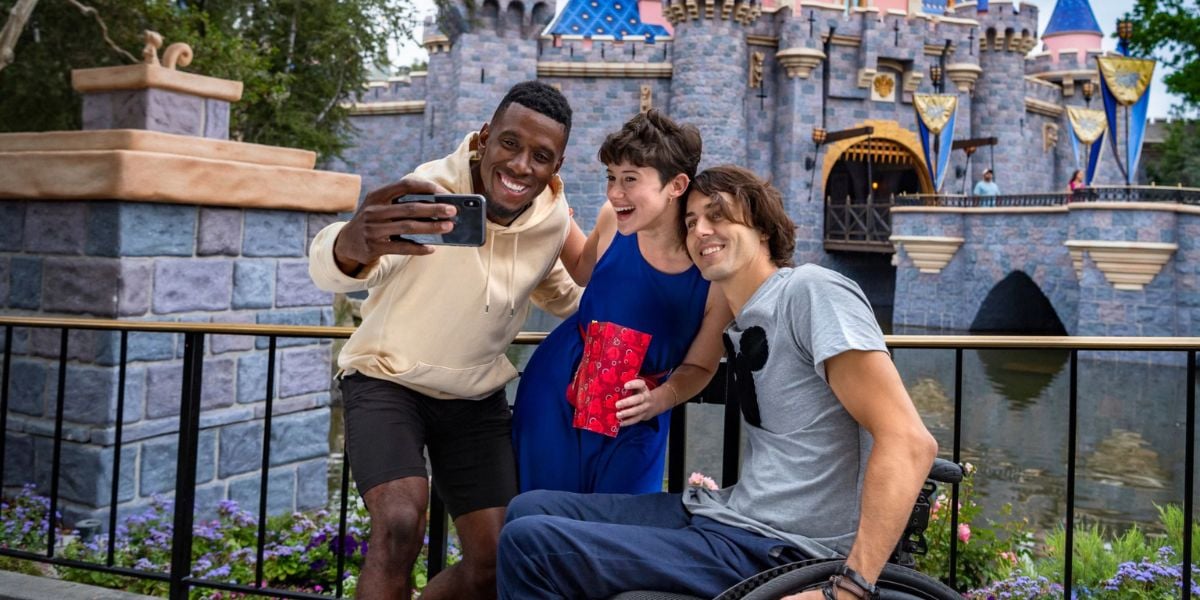
The first annual shareholders meeting under The Walt Disney Company’s new CEO sent a clear message to disability advocates: the company has no intention of revisiting its 2024 overhaul of the Disability Access Service.
A Program That’s Been Controversial for Two Years
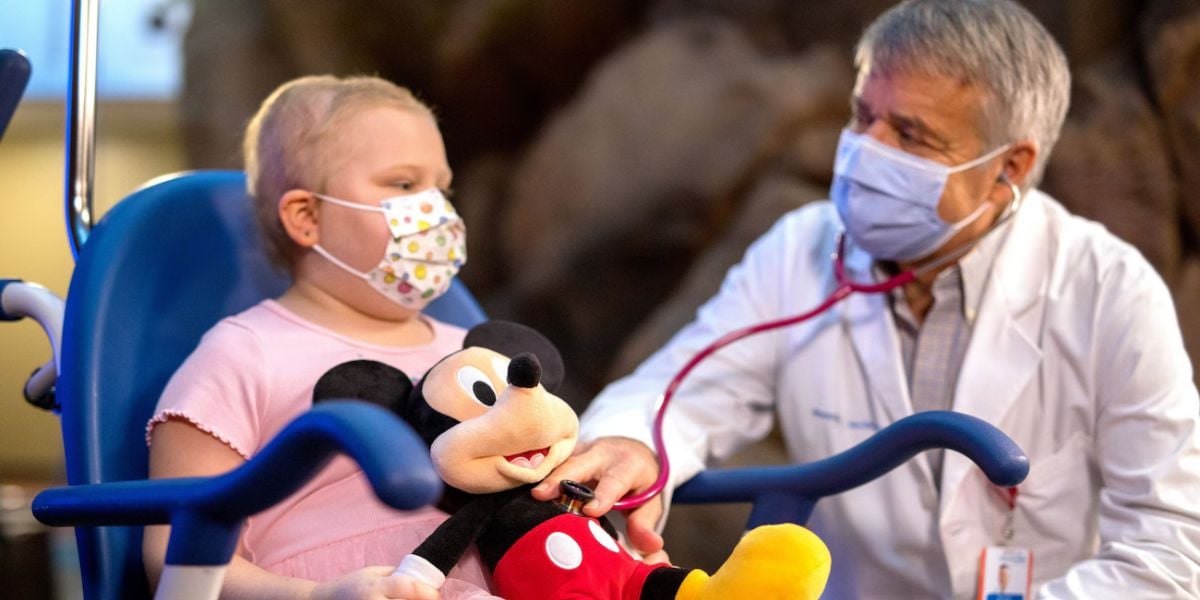
The friction began in early 2024, when both Disneyland Resort and Walt Disney World Resort quietly updated their Disability Access Service eligibility guidelines, narrowing the program to guests who struggle to wait in a conventional queue specifically because of “a developmental disability like autism or similar.” The approval window was also capped at one year, requiring guests to reapply through a live video chat with a third-party medical professional after 365 days.
The changes didn’t arrive in a vacuum. Disney introduced them after replacing its longtime free FastPass system with the paid Lightning Lane program — a shift that made DAS access considerably more attractive. The program allows qualifying guests and their entire party to book a return time through the My Disney Experience or Disneyland Resort app and wait elsewhere in the park before returning via the Lightning Lane. With families already spending upward of $100 per day on Lightning Lane access on top of base ticket prices, Disney argued that DAS had become a target for widespread abuse.

Critics took particular issue with some of the guidance Disney allegedly gave to denied guests, including suggestions to practice waiting in line at home, rent a wheelchair or scooter, or re-enter a queue by rejoining family members already waiting. That last option is a practical impossibility in a crowded theme park and leaves solo visitors with no recourse.
The Shareholder Proposal That Tried to Force a Reckoning
Disney shareholder Erik Paul channeled the frustration into a formal resolution. Proposal 7, titled “Review and Report on Disability Inclusion and Accessibility,” called on the company to engage a third-party investigator to examine the updated DAS policies through legal, financial, reputational, and enterprise risk frameworks, and to deliver findings to shareholders. Crucially, it did not demand that Disney reverse any specific policy, only that the company look honestly at the consequences of what it had done.

Paul’s case for the proposal drew a sharp line between Disney’s public identity and its corporate behavior:
“Disney has long told stories where the powerless rise, villains fall, and wrongs are made right. Its brand is built on magic, inclusion, and the belief that every voice deserves to be heard. Yet now, in a twist worthy of its darkest tales, the company risks becoming the villain of its own story—using newfound power to silence the very shareholders it should be listening to. Disney now faces a clear choice: live up to the values it sells to the world, or step into the role of villain silencing the disabled community.”
Disney initially attempted to have the proposal excluded entirely, telling the Securities and Exchange Commission the resolution was “materially false and misleading” and “relates to the Company’s ordinary business operations.” That effort collapsed when the SEC adopted a new policy removing the requirement for companies to seek agency approval before excluding shareholder resolutions. Disney ultimately agreed to let shareholders vote, but urged them as recently as early 2025 to reject Proposal 7.
Disability Proposal Fails During D’Amaro’s First Meeting as Disney CEO

Wednesday’s annual shareholders meeting — the first to formally recognize Josh D’Amaro as CEO of The Walt Disney Company — put Proposal 7 to a vote. The result was not close. Roughly 5% of shareholders voted in favor of the proposed investigation. The remaining 95% aligned with the company’s recommendation to reject it.
A class-action lawsuit filed in 2025 by a group of Disneyland Resort guests challenging the policy overhaul remains the last active avenue for accountability. Those legal proceedings are still ongoing.
Have you tried to apply for the current version of the Disability Access Service at Disneyland Resort or Walt Disney World Resort? Share your story with Disney Dining in the comments.





I gave up with Disney and went to Universal – they have a friendly program. I had a temporary situation where I was able to walk, but standing in line too long was not possible due to an injury. It was temporary but Disney suggested I needed a wheelchair. Universal’s customer service line directed me to the website to fill out a DAS form where I was able to have a card and if the line was too long (