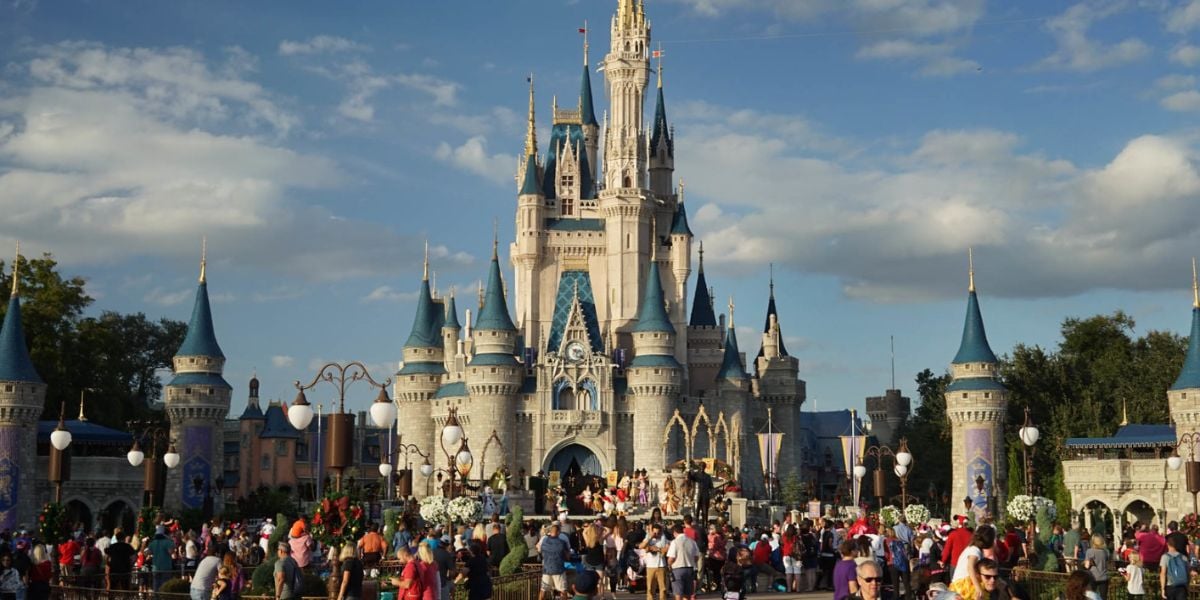
If you’re standing in the middle of Main Street, U.S.A. today, you aren’t just looking at Cinderella Castle—you’re looking at the epicenter of a national travel phenomenon. The “Spring Break Surge” has officially reached its peak, and for the millions of families currently navigating the parks, the “Most Magical Place on Earth” has become the “Most Crowded Place on Earth.”

With ride lines stretching into the triple digits and the sun beating down on a sea of humanity, it’s clear that the 2026 season is a different beast entirely. Between the “Double-Peak” calendar effect and the total transition to the new Lightning Lane infrastructure, surviving a Disney vacation this week requires more than just pixie dust; it requires a tactical master plan.
The “Double-Peak” Gauntlet: Why 2026 is Breaking Records
In the world of Disney crowd forecasting, the date of Easter is the ultimate “X-factor.” In 2026, Easter Sunday falls on April 5, creating a high-pressure “Danger Zone” that has effectively merged the Midwest Spring Break migration with the early Northeast exodus.
Unlike years when Easter is late in April, providing a cooling-off period in March, 2026 has created a sustained, high-capacity gauntlet. Since mid-March, wait times have refused to dip, even on traditionally “slower” Tuesdays. As we hit the final weekend of March, the parks are operating at what cast members call “Full-Throttle Capacity.”
Hollywood Studios: The 200-Minute Reality
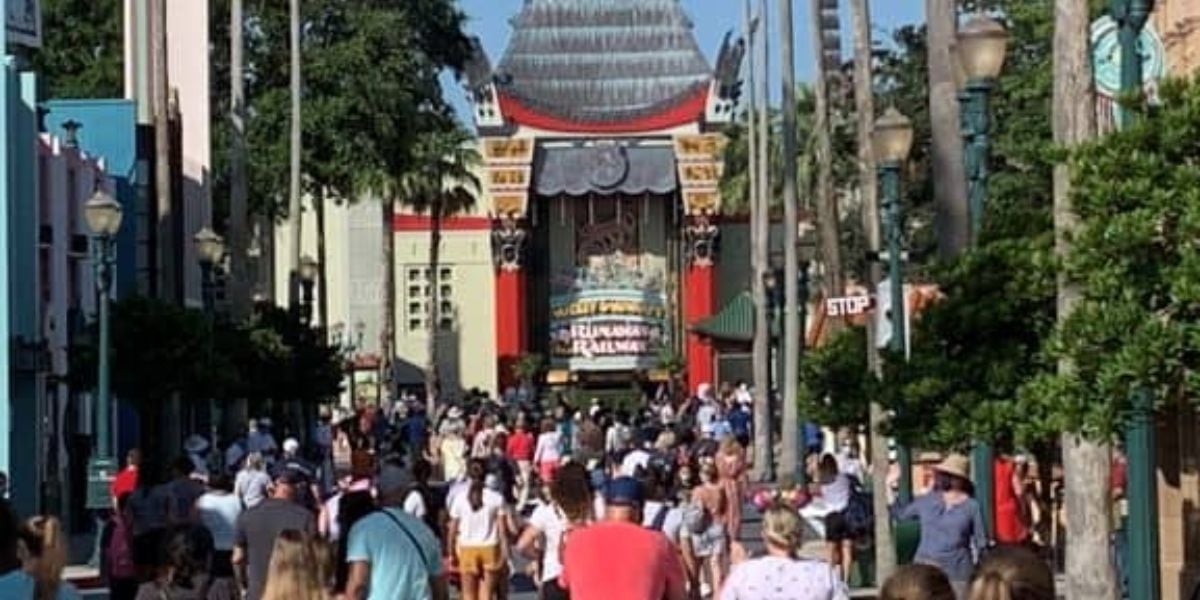
If you want to see the true impact of the Spring Break rush, look no further than Disney’s Hollywood Studios. The park is currently operating under a unique strain. With the long-term closure of Rock ‘n’ Roller Coaster Starring Aerosmith for its highly anticipated reimagining into a Muppets-themed attraction, the remaining headliners are bearing the brunt of the attendance.

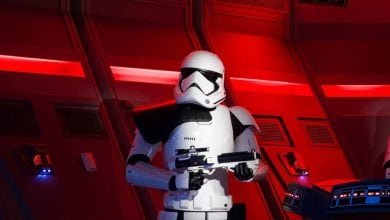
At rope drop this morning, Slinky Dog Dash hit a 120-minute wait within fifteen minutes of the park opening. By noon, that number climbed to 180 minutes. The story is the same at Star Wars: Rise of the Resistance, where the line frequently snakes out of the Galaxy’s Edge tunnels and into the blistering Florida sun.
When a “secondary” ride like Mickey & Minnie’s Runaway Railway maintains a steady 110-minute queue, you know the park is at its breaking point. For many, Hollywood Studios has become a “one-and-done” park: guests wait for one major attraction and spend the rest of the day simply trying to find a shaded spot for lunch.
Magic Kingdom: Standby is King Again
In a major shift from previous years, 2026 marks the first Spring Break without any major attractions using a Virtual Queue. Following the permanent move to standby for TRON Lightcycle / Run and Tiana’s Bayou Adventure in late 2024 and early 2025, the physical lines at Magic Kingdom have reached massive proportions.

Tiana’s Bayou Adventure is currently the crown jewel of Frontierland, but it comes at a price. During this peak week, the standby line has consistently exceeded the two-hour mark, often wrapping around the Splash Mountain legacy structures.
Meanwhile, Seven Dwarfs Mine Train continues to hold its title as the most persistent wait in the park, rarely dropping 100 minutes below. Even the “classics” are feeling the squeeze; The Haunted Mansion and Pirates of the Caribbean are seeing 75-to-90-minute waits, turning what used to be “filler” attractions into major time investments.
The Lightning Lane Economy: Multi Pass vs. Premier Pass
Navigating the crowds in 2026 means mastering the three tiers of the Lightning Lane system. The days of Genie+ are long gone, replaced by a system that rewards pre-planning—but carries a heavy price tag during Spring Break.

1. Lightning Lane Multi Pass (LLMP)
The workhorse of the skip-the-line system, Lightning Lane Multi Pass, has hit its peak dynamic pricing this week. For a day at Magic Kingdom, guests pay $45 per person, while guests at Hollywood Studios pay $39. For a family of four, that’s an extra $180 just to secure a few return times—and even then, those return times are disappearing by 11:00 a.m.
2. Lightning Lane Single Pass
For the “Big Three”—TRON, Tiana’s, and Guardians of the Galaxy: Cosmic Rewind—the standby lines are so daunting that the Single Pass has become almost mandatory. At $23 per person for a single ride on TRON, the cost of a Disney day is escalating rapidly.
3. The Lightning Lane Premier Pass (LLPP)
The ultra-exclusive Premier Pass, which allows guests to ride every attraction once without a return time, is the only way to “beat” the crowds. However, at $449 per person during this peak window, it is a luxury out of reach for most. Even at that staggering price, the Premier Pass has been selling out within minutes of the 7:00 a.m. window for resort guests, proving that many travelers are willing to pay any price to avoid the 180-minute standby reality.
EPCOT and the “Gridlock” Factor
Over at EPCOT, the International Flower & Garden Festival is drawing massive crowds, but the real issue is physical congestion. Between the food booths and the massive popularity of Guardians of the Galaxy: Cosmic Rewind, the World Showcase has become a “gridlock zone” by 3:00 p.m.
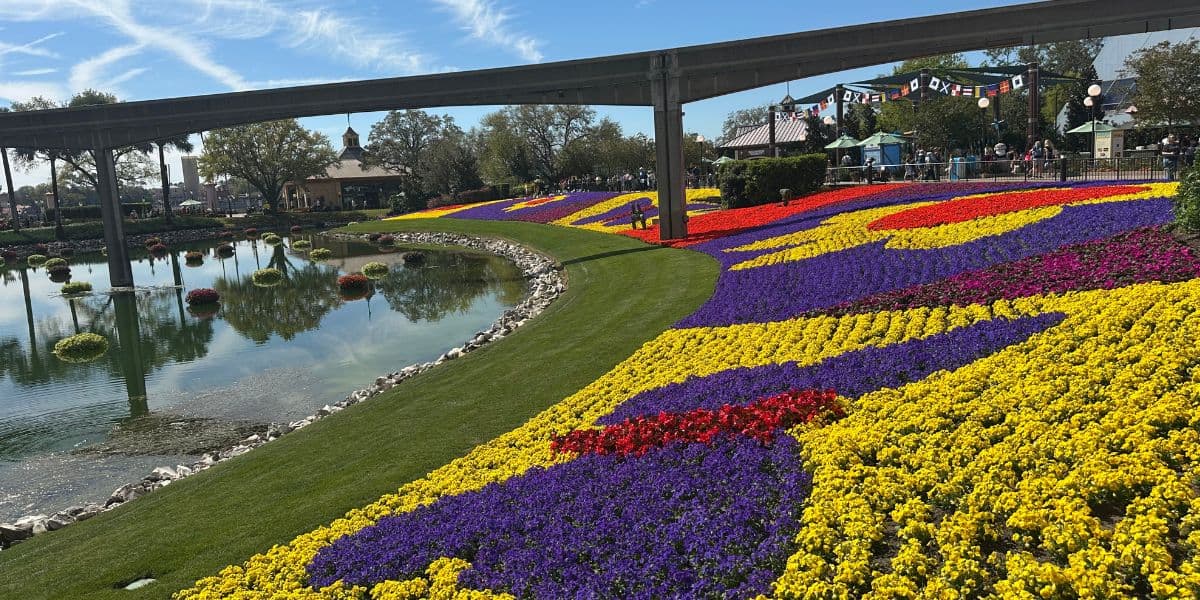
Frozen Ever After and Remy’s Ratatouille Adventure are consistently maintaining a 120-minute wait. In contrast,e the park-wide average wait time has spiked to nearly 55 minutes—an exceptionally high number for a park with so much “breathing room.”
Survival Tactics: How to Win the March 2026 “Wait-A-Thon”
If you are currently in the parks, don’t despair. There are still ways to find the magic among the masses:
- The 7:00 a.m. Hustle: You must be awake and ready to book your Lightning Lanes the second the clock turns over. In 2026, the difference between a 7:00 a.m. booking and a 7:05 a.m. booking is the difference between riding Slinky Dog Dash at 10:00 a.m. or 8:00 p.m.m.
- The “Midday Slump” Strategy: When the crowds peak between 1:00 p.m. and 4:00 p.m., head back to your resort. You aren’t missing anything but heat and exhaustion. Return to the parks after 7:00 p.m., when the “day-trip” crowds begin to clear out and wait times drop by 30-40%.
- Mobile Order at Breakfast: Do not wait until 12:30 p.m. to think about lunch. Place your Mobile Order by 9:00 a.m. for pickup at 11:30 a.m. If you wait until peak hours, the pickup windows can be two hours away.
- Focus on High-Capacity Shows: If the ride lines are too much, lean into the entertainment. The Festival of the Lion King and Indiana Jones Epic Stunt Spectacular provide a shaded, seated experience that actually feels like a vacation.
Conclusion: Is the Magic Still There?
There is no sugarcoating the reality of Spring Break 2026: it is expensive, crowded, and exhausting. However, for those who manage their expectations and utilize the new Lightning Lane tools effectively, the “Most Magical Place on Earth” still delivers.
Just remember: if you see a 180-minute wait for a roller coaster, the “magic” might just be found in a Mickey Bar and a quiet spot on the grass in Liberty Square instead.
Are you currently braving the March 2026 crowds? What’s the longest you’ve stood in line this week? Let us know in the comments below!