The Empty Midway: Why a $10 Billion Debt Crisis and Soaring Costs are Killing the Regional Theme Park

For decades, the “regional park” was the quintessential American summer escape. It was the affordable alternative to the high-priced glamour of Disney or Universal—a place where a family could drive two hours, pay a reasonable entrance fee, and spend the day chasing adrenaline on world-class roller coasters. But as the 2026 season kicks into gear, that middle-class staple is facing an existential threat.
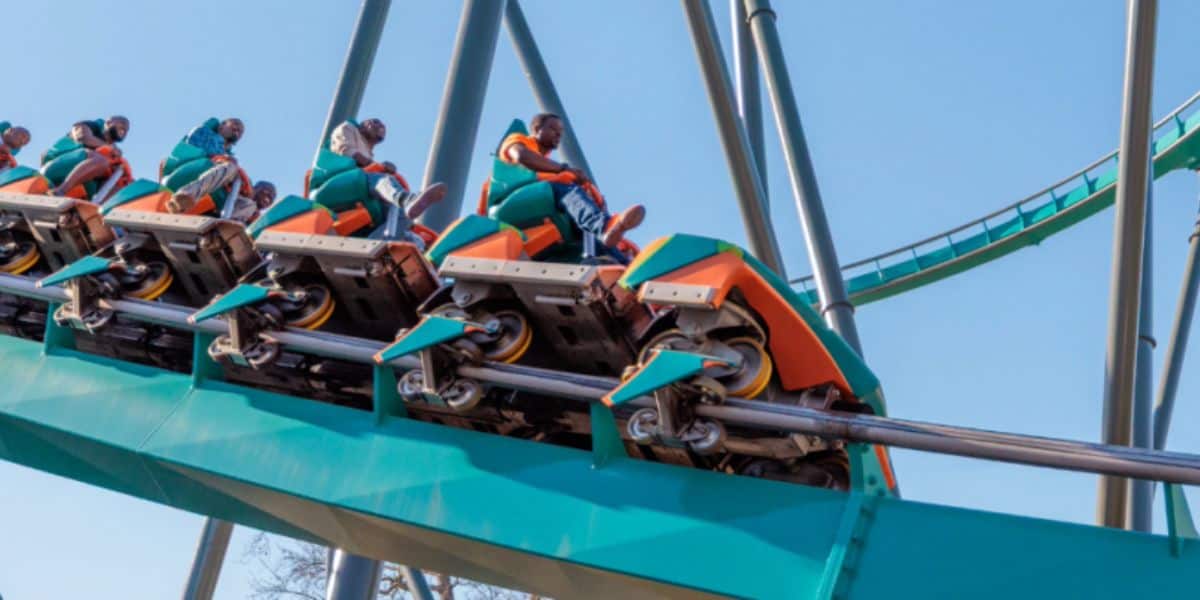
The industry is currently reeling from a “double-whammy” of economic pressures. On one side, massive corporate mergers have left the biggest players buried under nearly $10 billion in combined debt. On the other hand, a “hidden crisis” of soaring labor costs and plummeting local attendance is forcing park operators to choose: hike prices to unrecognizable levels or lock the gates forever.
According to bombshell reports from Axios and TravelBinger, the era of the “cheap summer” isn’t just ending—it’s being liquidated.
The Merger Hangover: Six Flags and the $5 Billion Noose
The crisis reached a tipping point following the massive merger between Six Flags and Cedar Fair. While the union was pitched to shareholders as a way to create a “national powerhouse” capable of rivaling Disney’s scale, the reality on the ground has been much grimmer.
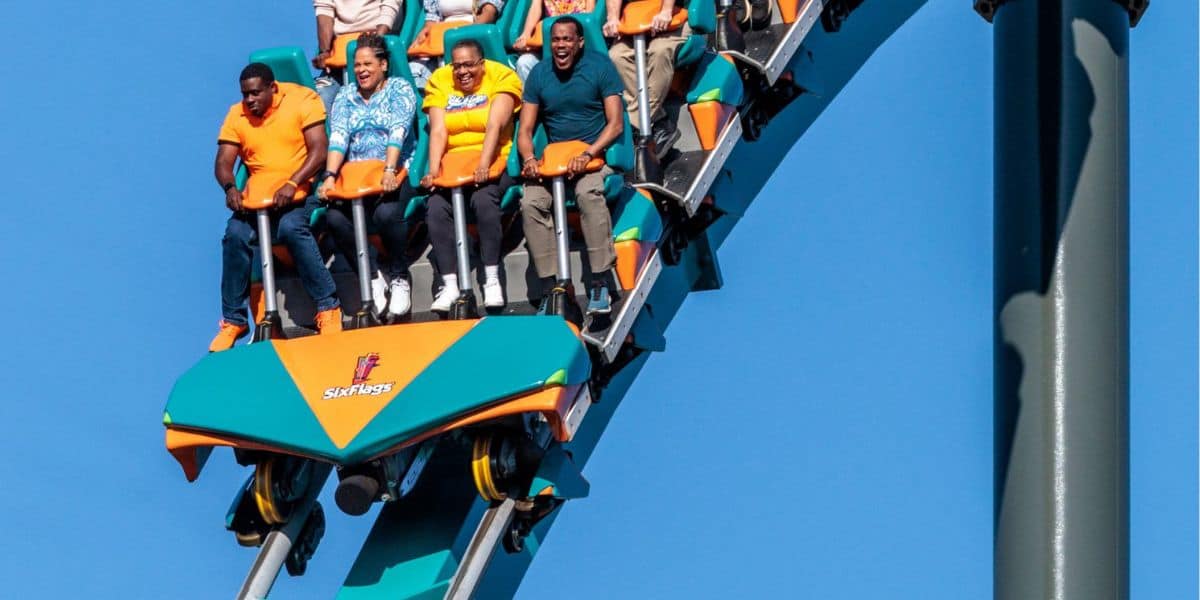
As Axios reported, the “New Six Flags” is currently grappling with a $5.2 billion debt load. To keep the lights on, the company has been forced into a cycle of aggressive refinancing at high-interest rates. In a 2026 economy where capital is expensive, the interest payments alone are eating the budget that used to go toward new rides and park beautification.
The result is a strategy of “portfolio optimization”—a corporate euphemism for the “Great Regional Sell-Off.” Six Flags has already begun identifying “non-core” assets, selling off seven of its regional parks this week for $331 million.
For fans of mid-tier parks like Six Flags America or Frontier City, the news is chilling: if your park isn’t a top-tier revenue generator, it is increasingly being viewed as a real estate asset rather than an entertainment venue. The land under these parks is often worth more to developers for “last-mile” warehouses or luxury condos than for housing aging wooden coasters.
The Attendance Gap: Why the Middle Class is Opting Out
While the “Big Two” (Disney and Universal) have successfully pivoted to a high-margin model—attracting fewer people who spend significantly more—regional parks are struggling to find their footing. Attendance at regional properties has hit a five-year low as the “value proposition” for local families disappears.

The “Cost of the Midway” Surge
The issue isn’t just the ticket price; it’s the “death by a thousand cuts” once you enter the gates. In 2026, the cost of a day at a regional park has skyrocketed:
- Dynamic Parking: What was once a $15 flat fee has transformed into “premium tier” parking that can reach $50 at parks like Magic Mountain or Great Adventure.
- The Food Crisis: With supply chain costs and kitchen labor at an all-time high, a standard “basket meal” (burger, fries, and a drink) now frequently tops $30 per person.
- The “Line Tax”: As parks cut staffing to manage their debt, wait times for popular rides have ballooned. This has turned “Fast Pass” systems from a luxury into a necessity, effectively doubling the cost of a day for any family that actually wants to ride more than three things.
When a family of four realizes a “local” day trip is costing them $600 or more, they are increasingly choosing to spend that money on a weekend at an Airbnb or simply staying home, leaving the midways ghost-town quiet on weekdays.
Dollywood and the $5 Billion Reckoning
Even the industry’s “success stories” are feeling the burn. Dollywood, long considered the gold standard for regional hospitality and value, is facing its own crisis. As detailed by TravelBinger, the parent company, Herschend Family Entertainment, is navigating a $5 billion reckoning of its own.

Despite Dollywood’s massive popularity, the “hidden crisis” involves a brutal labor shortage. The denial of thousands of H-2B visas—the seasonal work permits the industry relies on—has left the park struggling to staff its famous food stands and crafts shops. When a park known for its “Southern charm” has to close half its restaurants due to a staffing shortage, the brand takes a hit that no marketing budget can fix.
Furthermore, Herschend’s aggressive acquisition of smaller parks has backfired as rising insurance premiums and maintenance costs for older thrill rides make small-scale operations a liability. The “Family Entertainment” model is being squeezed from both ends: debt from the top and unmanageable overhead from the bottom.
The “Enchanted Parks” Liquidation
One of the most concerning developments in 2026 is the emergence of entities like Enchanted Parks Holdings, LLC. This mystery firm has begun acquiring the trademarks and assets of regional parks that are being “spun off” by the major chains, including the seven parks sold by Six Flags.
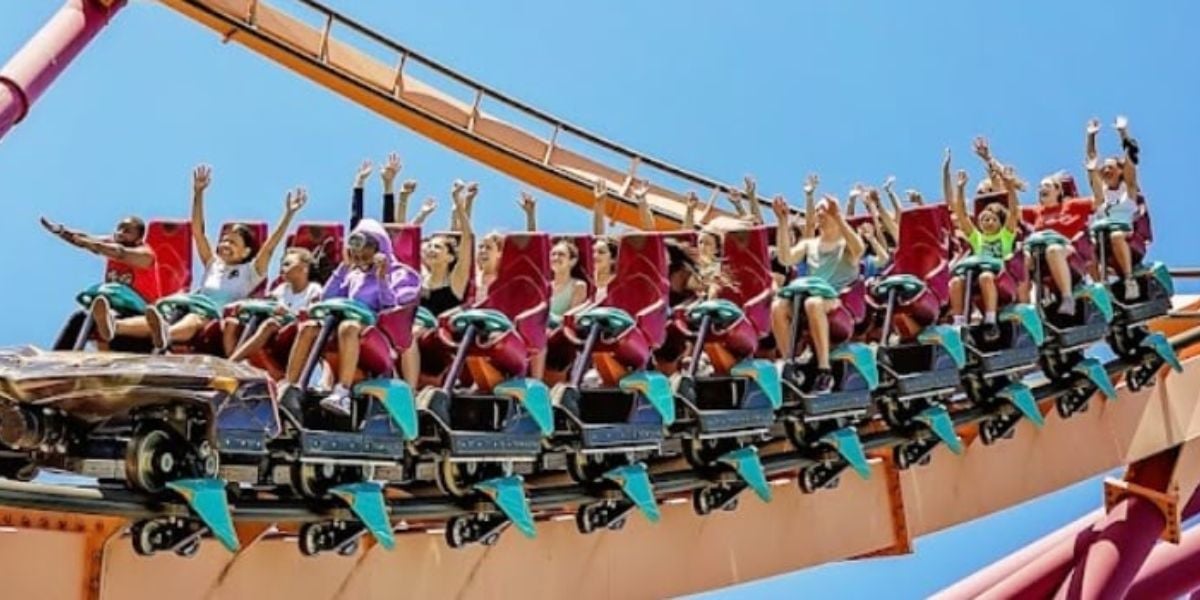
Analysts suggest this is the beginning of a “managed decline.” These entities typically strip away the expensive IP (like Looney Tunes or DC Comics characters), cut the maintenance budget to the bone, and run the parks until the equipment fails or the land can be sold for a profit. For many regional parks, this is the final stop before permanent closure.
Is There a Way Back for the Regional Park?
To survive, the regional park of the late 2020s must reinvent itself. The “Crown Jewels” like Cedar Point or Knott’s Berry Farm are leaning into seasonal festivals—Boysenberry Festivals, “Halloweekends,” and winter celebrations—to keep locals coming back year-round.
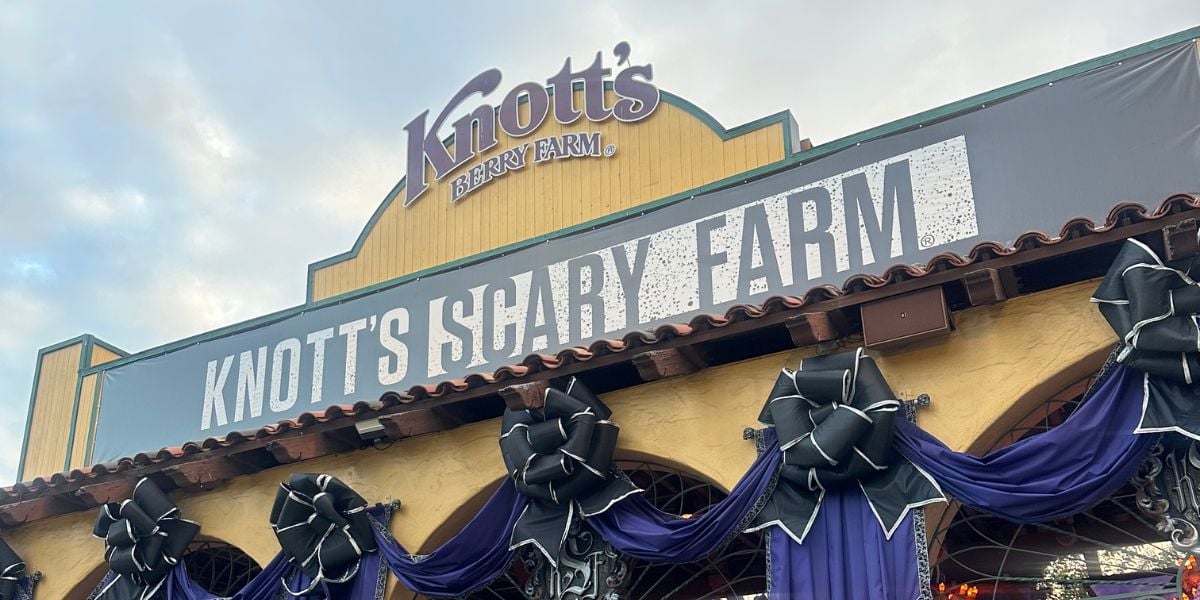
However, for the average “coaster park” in a suburban market, the outlook is cloudy. Unless these companies can restructure their multi-billion-dollar debts and make a day trip affordable for the average family again, we are looking at a permanent contraction of the industry.
The Final Outlook
The message for the 2026 season is clear: Go now. The regional theme park as we knew it—a low-stress, high-value staple of the American summer—is being replaced by a high-debt, high-cost corporate model that doesn’t have room for every local favorite.
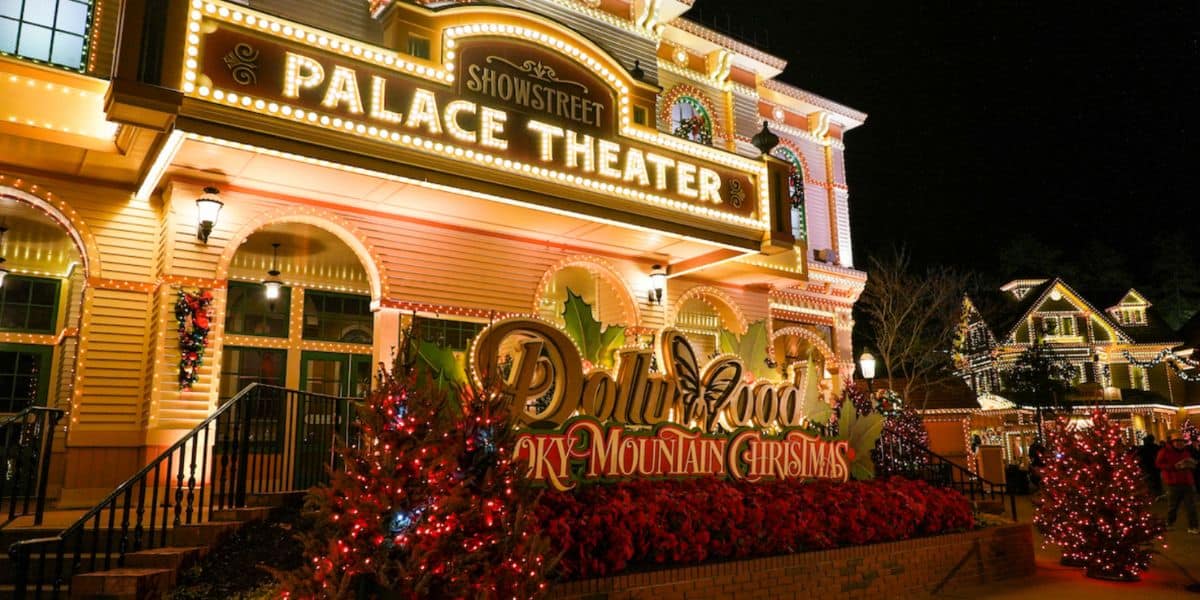
The roller coaster of the 2020s has been a rough ride for park owners, and for many regional landmarks, the brakes are finally being applied.