Six Flags Removes Multiple Parks From Its Roster for 2026, Selling Them to Competitor
What We Know So Far

Across North America, these parks have built loyal communities. Guests grow up visiting them, returning year after year with friends, children, and eventually grandchildren. While the scale may differ from global giants like The Walt Disney Company, regional parks often carry something equally powerful—deep local connections and decades of tradition.
But in recent months, a growing sense of uncertainty has been swirling around the industry. Rumors of shifting strategies, park closures, and corporate restructuring have left fans asking the same question: what exactly is happening behind the scenes?

A Major Theme Park Company Faces Changing Times
Six Flags Entertainment Corporation has long been one of the most recognizable names in the amusement park business. Known for its towering roller coasters and regional parks across the United States, Canada, and Mexico, the company has played a significant role in shaping the modern thrill ride landscape.
However, the company has also been navigating significant changes. In July 2024, Six Flags completed an $8 billion merger with Cedar Fair, creating one of the largest regional theme park operators in the world.
The newly combined company now oversees dozens of amusement parks, water parks, and resort properties across multiple countries. With that kind of scale, decisions about which parks receive investment—and which may be reconsidered—carry major implications for both fans and local communities.
That reality became particularly clear late last year when the company closed Six Flags America and its Hurricane Harbor water park in Bowie, Maryland after more than 50 years of operation. The closure signaled that even long-running parks were not immune to corporate restructuring.
Past Closures and Industry Pressures Add Context
The shutdown of Six Flags America came at a challenging time for the company. Financial pressures and shifting attendance patterns had already forced leadership to reassess its strategy.
Former president and CEO Richard Zimmerman acknowledged that efforts to stimulate demand at certain parks did not deliver the results the company hoped for.
“Our efforts to stimulate demand did not achieve the desired returns,” Zimmerman said in a press release at the time, noting that marketing spending earlier in the year also affected financial results.
Those statements hinted at a broader shift in thinking. Leadership began emphasizing profitability, guest satisfaction, and long-term growth potential across its park portfolio.
For fans watching closely, it seemed increasingly likely that additional changes could follow.
Six Flags Confirms Sale of Seven Parks Across North America
On Thursday, March 5, Six Flags Entertainment Corporation confirmed a major change to its park lineup.
The company announced it will sell seven theme parks across the United States and Canada as part of a broader portfolio restructuring effort.
The parks included in the sale are:
-
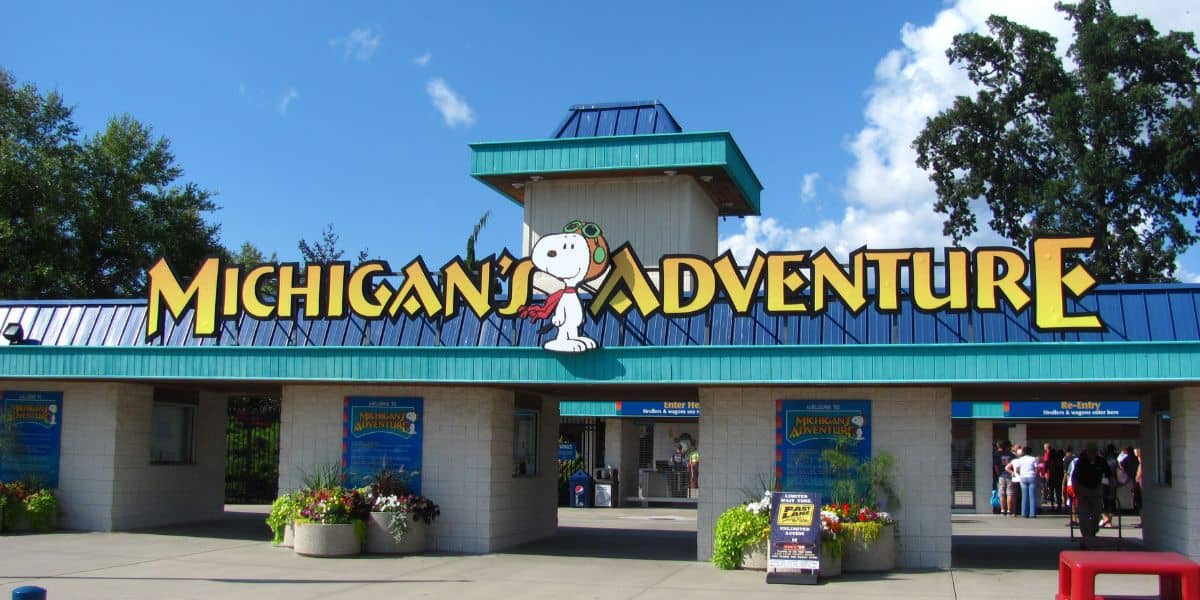
Michigan’s Adventure in Muskegon, Michigan
-
Schlitterbahn Waterpark Galveston in Texas
-
Six Flags Great Escape in Queensbury, New York
-
Six Flags La Ronde in Montreal
-
Six Flags St. Louis in Missouri
-
Valleyfair in Minneapolis, Minnesota
-
Worlds of Fun in Kansas City, Missouri
According to the announcement, the parks will be sold to EPR Properties, a Kansas City-based real estate investment trust that already owns various entertainment properties, including movie theaters, ski resorts, and amusement parks.
Six Flags says all seven parks will continue operating normally through the 2026 season. The company also confirmed that season passes and active memberships will remain valid during that time.
“We expect to see no significant impact on guests… during this transition,” the company said in its statement.
Six Flags CEO John Reilly added that the decision reflects a broader strategy to focus resources on parks with the highest growth potential.
What the Future Could Look Like for Guests
While operations will remain unchanged in the short term, the long-term future of these parks remains uncertain.
EPR Properties plans to work with new operators for the parks moving forward. For example, La Ronde in Montreal will partner with La Ronde Operations, Inc., while the six U.S. parks will be operated by Enchanted Parks.
What these changes ultimately mean for guests—whether through rebranding, new investments, or operational changes—has not yet been fully revealed.
For many fans, the announcement represents a major shift in the regional theme park landscape.
With Six Flags now focusing its resources on select properties following its merger with Cedar Fair, the company appears to be reshaping its portfolio in a way that could redefine its long-term strategy.
As the 2026 season approaches, guests planning visits to parks like Valleyfair, Worlds of Fun, and Six Flags St. Louis will likely be watching closely.
For now, the rides are still running, the gates remain open, and the familiar sounds of roller coasters echo across these parks.
But for many longtime visitors, one question now lingers: is this simply a transition—or the beginning of a brand new chapter for these beloved destinations?
What do you think about Six Flags selling these parks? Would you still visit if they were operated under a different name?