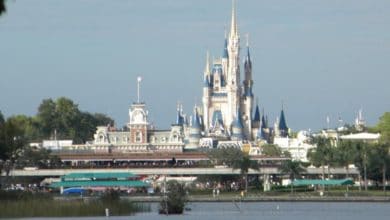
Six Flags stock absolutely tanked this year, dropping 70 percent from over $55 to around $14 per share. Meanwhile Disney stock stayed basically flat, down just 0.1 percent and closing near $111 last Friday. The contrast is wild and tells you everything about why some theme park companies survive and others don’t.
2025 was rough for the industry overall. Economic pressures, terrible weather that closed parks during peak weekends, and families cutting entertainment spending hit everyone. But Six Flags completely imploded while Disney shrugged it off and posted record profits.
The Six Flags Meltdown
The Cedar Fair and Six Flags merger in July 2024 was supposed to create this regional powerhouse with 27 amusement parks, 15 water parks, and nine resorts. Instead it became a disaster that exposed every weakness in the regional park business model.
First problem: $5 billion in debt. That’s a massive anchor when you’re trying to operate parks that depend on local families with tight budgets. Six Flags responded by cutting staff and raising prices, which is basically the worst possible combination. Less service, higher costs. Brilliant strategy.
The numbers were brutal. Despite having 42 percent more operating days, attendance only went up 23 percent. Weather destroyed them, forcing closures on 60 percent of impacted days during peak weekends. When you’re a regional park, you can’t make up those lost Saturday and Sunday crowds.
Revenue dropped 2 percent in Q3 to $1.32 billion. The real horror show was watching them slash profit guidance from $1.08-$1.12 billion down to $780-$805 million over just a few months. That’s not a minor adjustment, that’s a company admitting everything is broken.
CEO Richard Zimmerman said he’s stepping down at year end. Activist investor JANA Partners jumped in with a 9 percent stake trying to force changes. Analysts downgraded the stock left and right. The whole thing collapsed.
Closing Parks to Stop the Bleeding

Six Flags shut down two properties to cut losses. Six Flags America and Hurricane Harbor in Maryland closed in November. Management said it wasn’t a “strategic fit,” which is corporate speak for “this location was losing money and we’re done with it.”
California’s Great America is getting axed by 2027, mainly because the land is worth more for real estate development than as a theme park. When your business gets so bad that selling off properties for their land value makes more sense than operating them, you’ve got serious problems.
These closures shrink Six Flags at exactly the time the merger was supposed to make them bigger and stronger. The whole point was synergies and scale. Now they’re closing parks and reducing their footprint. Not great.
Disney’s $10 Billion Flex
Disney’s theme park division posted $10 billion in operating income for fiscal 2025. Record profits. While Six Flags was collapsing, Disney was printing money.
Sure, Disney’s attendance dropped 1 percent. But they made up for it by getting guests to spend more per visit and running operations more efficiently. Higher prices, better upselling, premium experiences. Classic Disney playbook.
Disneyland Paris crushed it with World of Frozen driving crowds and spending. The new Disney Treasure cruise ship added revenue. Multiple properties across different countries means weather or economic issues in one region don’t kill the whole business.
Here’s what Disney has that Six Flags doesn’t: brand power, global scale, premium positioning, and diversification beyond just parks. Disney makes money from movies, streaming, merchandise, cruises, and resorts. Six Flags makes money from regional amusement parks. When times get tough, which business model do you think survives?
Why the Gap Exists
Six Flags depends on local families driving to parks on weekends. These are price-sensitive customers who’ll skip visits when budgets tighten. Disney attracts destination tourists who plan trips months ahead, book hotels, and mentally commit to spending thousands regardless of minor economic shifts.
Six Flags’ $5 billion debt left zero room for error. Disney’s diversified revenue and stronger balance sheet let them absorb bad attendance numbers without panicking.
Regional parks compete mainly on price and convenience. Disney competes on brand and experience. When economic conditions deteriorate, families cut the cheap local entertainment first and try to protect the special Disney vacation they’ve been planning.
The merger was supposed to fix Six Flags’ problems through scale and efficiency. Instead it amplified every weakness. Bad debt plus aggressive cost-cutting plus terrible weather plus economic pressure equals a 70 percent stock crash.
Disney faced the same industry challenges and barely noticed because their business model is fundamentally stronger. Premium pricing works when you have Mickey Mouse and Star Wars. It doesn’t work when you’re a regional park raising prices while cutting staff.
The Harsh Reality
Six Flags is fighting for survival while Disney posts record profits. That’s the theme park industry in 2025. The regional operator model is broken when debt loads are too high and economic conditions force families to cut discretionary spending.
Disney proved you can lose attendance and still crush profit targets if you have the right business model. Six Flags proved that merging two struggling companies doesn’t create a healthy company, it creates a bigger struggling company.
The 70 percent gap between their stock performances isn’t temporary. It’s structural. Six Flags needs massive changes to survive. Disney just needs to keep doing what it’s doing.