
Six Flags Under Siege: Why Activist Investors Are Demanding an Immediate Sale of the Theme Park Giant

The “New Six Flags”—the coaster-heavy titan born from the 2024 merger of Cedar Fair and Six Flags—was supposed to be an untouchable powerhouse. Instead, as we approach the 2026 summer season, the company finds itself in the middle of a corporate demolition derby. On March 17, 2026, JANA Partners, a powerhouse activist investment firm, sent a blistering ultimatum to the board: Explore a full sale of the company or prepare for a proxy war.
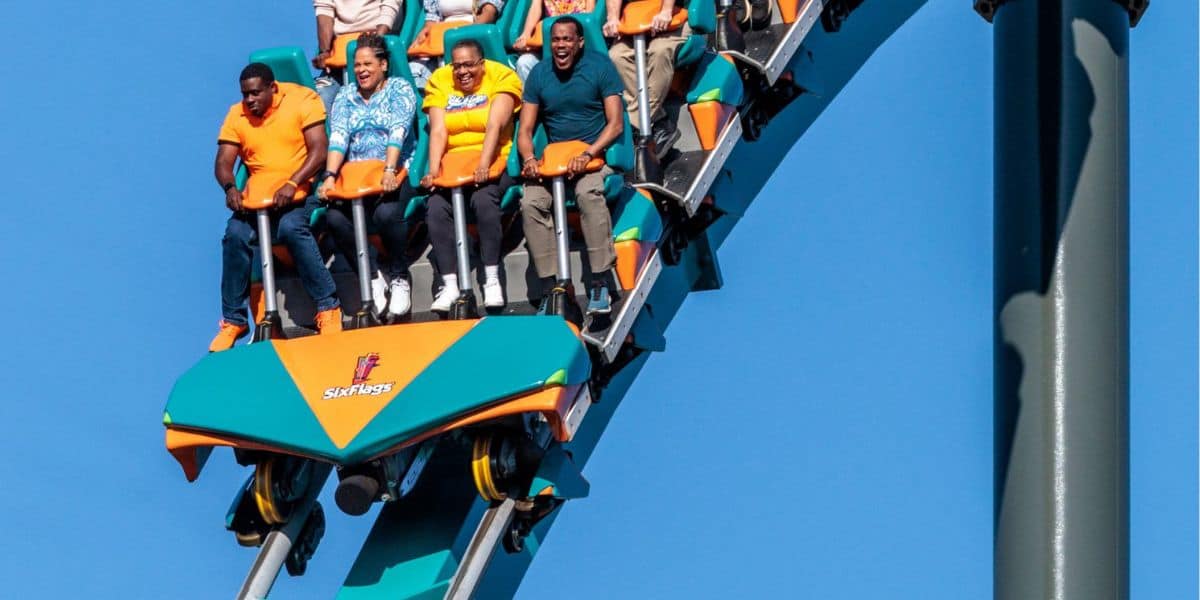
In a letter that has sent shockwaves through the leisure industry, JANA’s Managing Partner Scott Ostfeld described the company’s recent trajectory as “vomit-inducing.” With a staggering debt load and a stock price that has plummeted from its post-merger heights, the new leadership faces pressure to prove that the “Thrill Capital of the World” isn’t a sinking ship.
New Management, Old Problems: The Leadership Gap
To understand the current tension, one must look at the recent “musical chairs” played in the C-suite. For years, Richard Zimmerman was the architect of the regional theme park landscape, serving as the CEO who navigated the complex 2024 merger. However, following a year of stagnant attendance and integration friction, Zimmerman officially resigned his post and his board seat at the end of 2025.
In his wake, the company is being led by two distinct figures:
- John Reilly, the current President and CEO, took the helm in December 2025 with the mission of steadying the ship.
- Marilyn Spiegel, the Chairperson of the Board, took over on January 1, 2026. A seasoned veteran of the hospitality world, Spiegel was brought in to provide “adult supervision” and luxury-sector discipline to the board.
Despite these changes, JANA Partners argues that the leadership remains “stuck in the mud.” The activist firm, which owns roughly 9% of the company, believes the current board is too slow to recognize that Six Flags is worth more in pieces—or as a whole to a private buyer—than it is as a struggling public entity.
The $5 Billion Weight: Why Six Flags is Spiraling
The grievances listed by JANA Partners aren’t just corporate whining; they are rooted in a series of “red alert” financial metrics. The primary problems facing Six Flags in 2026 include:
- The Debt Mountain: Six Flags is currently carrying approximately $5.2 billion in long-term debt. In a high-interest-rate environment, the cost of servicing this debt is eating into the capital needed to build new record-breaking coasters.
- The Stock Market Slump: Since the merger of Cedar Fair and Six Flags was finalized, the stock has been on a downward trajectory. Shares that once traded near $60 are now hovering around $16.50. JANA claims the market has assigned a “merger failure” discount to the stock.
- The “Premiumization” Failure: For two years, management attempted to “premiumize” the parks—raising gate prices and cutting back on low-cost season passes to attract “higher-quality” guests. The result? Ghost towns. Families hit by inflation opted for local pools and beaches instead of $100 tickets, leading to a disastrous drop in per-capita spending.
The “Fire Sale” Strategy: Seven Parks Already Gone
In an attempt to appease investors and pay down debt before JANA went public with its letter, the board authorized a massive “portfolio optimization” earlier this month. On March 5, 2026, Six Flags entered into a definitive agreement to sell seven of its regional parks to EPR Properties for $331 million in cash.
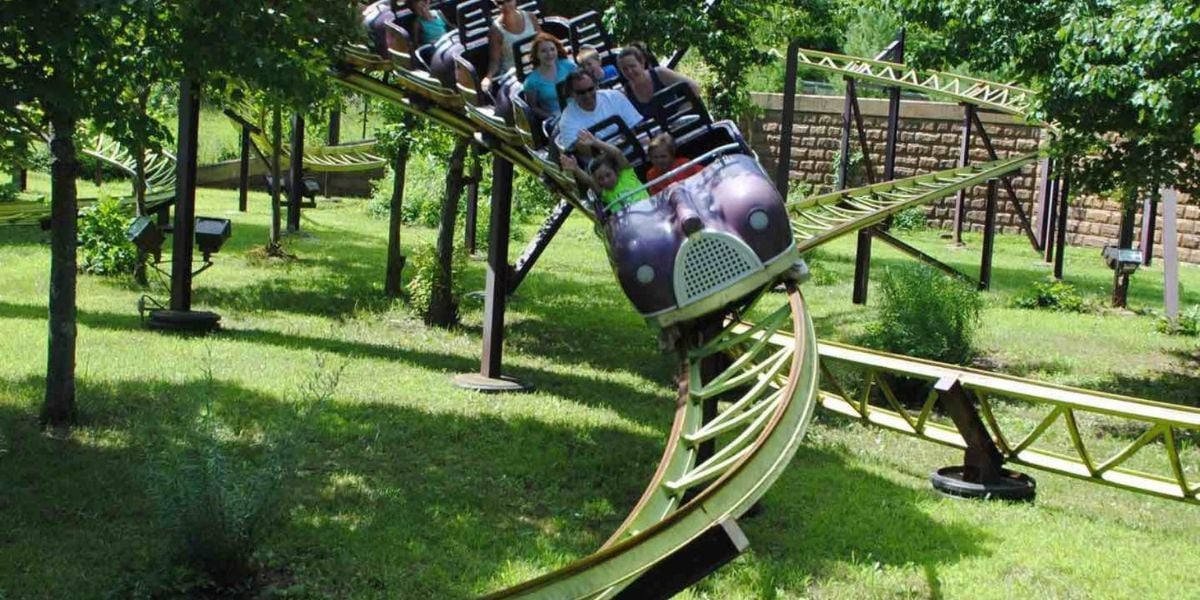
The list of divested parks includes several legacy favorites:
- Valleyfair (Minnesota)
- Worlds of Fun (Missouri)
- Michigan’s Adventure (Michigan)
- Six Flags St. Louis (Missouri)
- Six Flags Great Escape (New York)
- Six Flags La Ronde (Quebec)
- Schlitterbahn Waterpark Galveston (Texas)
While CEO John Reilly described the sale as a “strategic sharpening of our portfolio,” JANA Partners was unimpressed. They labeled the deal a “bits-and-pieces fire sale,” arguing that management is “selling the silver to pay for the steak.” By offloading these parks at what JANA considers “tangerine prices,” the board has only fueled the activist firm’s argument that the current leadership doesn’t know the true value of their own assets.
The “Kelce Factor” and the Push for a Sale
JANA Partners isn’t fighting this battle alone. Their investor group includes high-profile names like retail guru Glenn Murphy and NFL superstar Travis Kelce, who recently joined Six Flags as a “Brand Ambassador and Strategic Advisor.” Kelce’s involvement was intended to bring back the “cool factor” to the parks, but JANA suggests that even celebrity power can’t fix a broken balance sheet.

The firm is now pushing Marilyn Spiegel and the board to hire an independent investment bank to explore a full sale of the company. Potential suitors could include:
- Private Equity: Firms like Blackstone or Apollo, which have a track record of taking entertainment brands private to “fix” them away from the quarterly scrutiny of Wall Street.
- International Giants: Merlin Entertainments (owners of Legoland) or Parques Reunidos, who may want the dominant US footprint Six Flags offers.
Conclusion: A Season of Uncertainty
As the park gates open for the 2026 season, the most intense action isn’t happening on the roller coasters—it’s happening in the boardroom. Marilyn Spiegel and John Reilly are in a race against time to prove they can turn the company around before JANA Partners forces a proxy vote that could result in the entire board being replaced.

For the millions of fans who visit these parks, the stakes are high. Whether it’s under new ownership or the current regime, the hope is that the focus returns to what matters: short lines, working rides, and affordable family fun. But for now, the “For Sale” sign over Six Flags seems more likely than ever.