
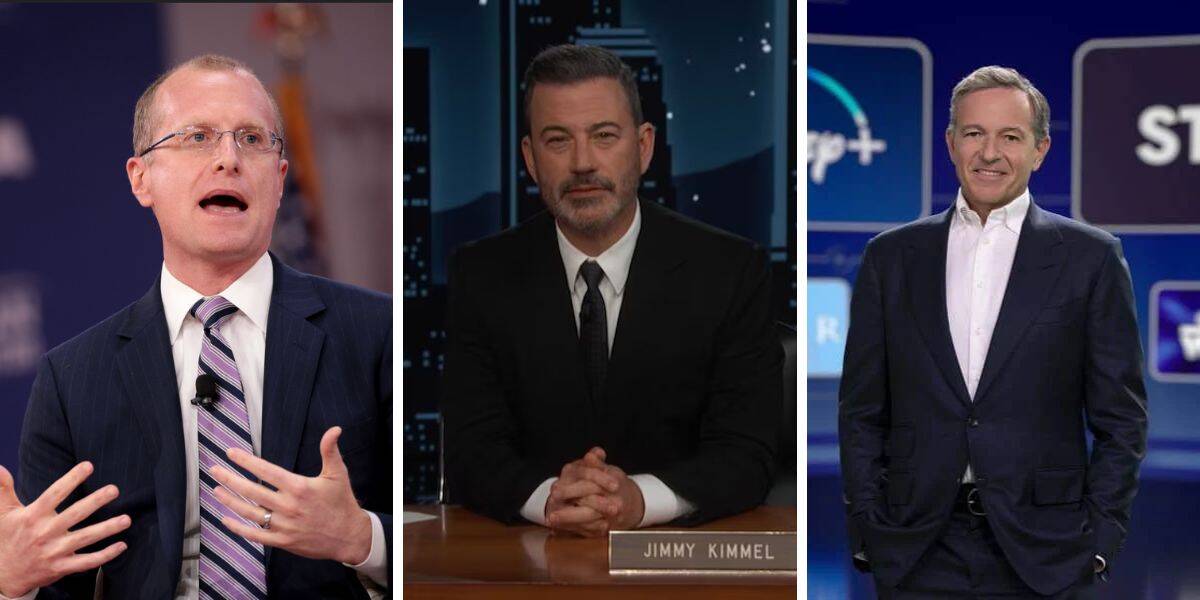
Sinclair’s Call for Regulatory Action
Sinclair Broadcasting CEO Chris Ripley has taken a firm stand against The Walt Disney Company amid the ongoing dispute between Disney and YouTube TV. Ripley has requested an investigation by the Federal Communications Commission (FCC) and potentially the Department of Justice (DOJ). He argues that Disney’s actions are not only hurting Sinclair’s business but also infringing on the rights of local broadcasters, such as his company.
“We, as local broadcasters, have no say in whether our content… will be distributed to local viewers,” Ripley stated, emphasizing the need for regulatory oversight to address what he perceives as antitrust issues.
Ripley’s comments reflect a growing concern among local broadcasters about their declining influence in negotiations with larger media entities, such as Disney. As the largest owner of ABC affiliates in the United States, Sinclair is particularly affected by Disney’s decisions regarding channel availability on platforms such as YouTube TV.
YouTube TV and Disney’s Ongoing Dispute
The dispute between Disney and YouTube TV that led to this fallout is already impacting millions of subscribers. Currently, YouTube TV lacks access to Disney-owned channels, which include significant networks such as ESPN. This blackout means that subscribers, who number around 10 million, are missing out on major sports events, including college football games and Monday Night Football. The financial implications for both companies are substantial, with estimates suggesting that Disney is losing approximately $5 million each day due to the ongoing disagreement.

Sinclair, feeling the pinch from this blackout, is particularly affected as significant viewership events are being compromised. For instance, ESPN’s College Gameday reportedly lost approximately 2.5 million viewers during the outage, a concerning statistic for the company.
Historical Context of Sinclair-Disney Relations
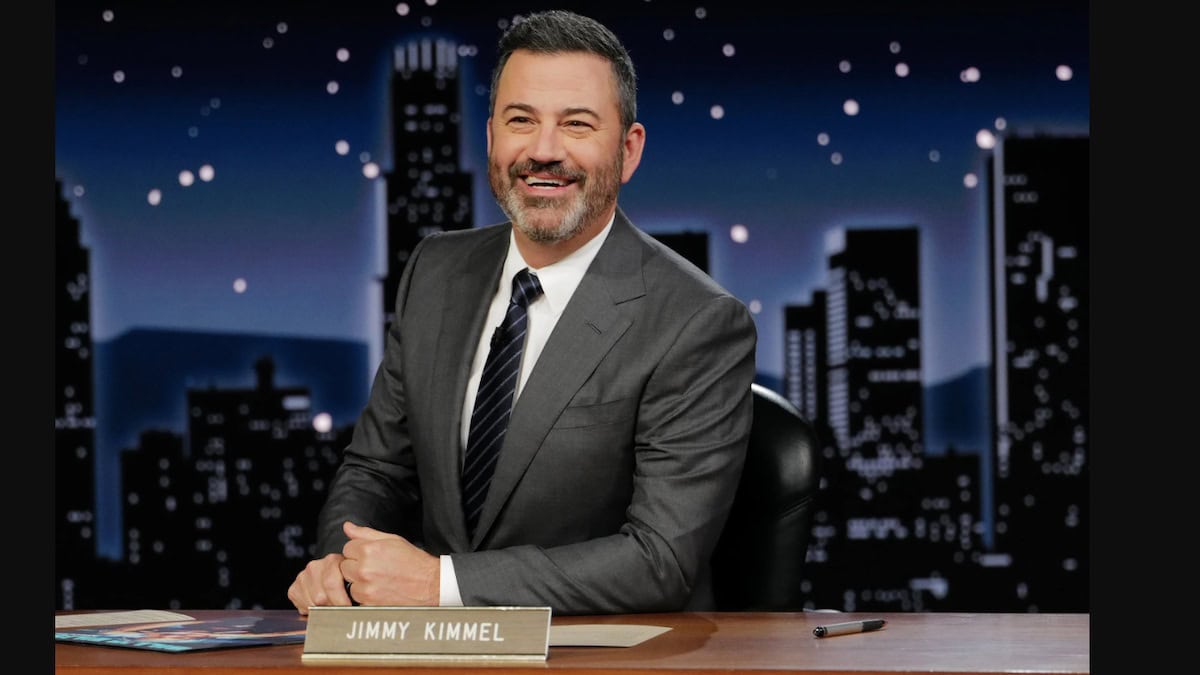
This isn’t the first time Sinclair and Disney have found themselves at odds. The companies recently clashed over the airing of Jimmy Kimmel’s show. Sinclair had removed Kimmel from its ABC affiliates, demanding accountability and an apology from him. Although Kimmel was eventually returned to Sinclair’s airwaves, the conflict highlighted deeper issues of content control and corporate responsibility in broadcasting.
Sinclair’s aggressive tactics reflect its increasing frustration with Disney’s leverage over distribution channels. As the owner of 294 television stations nationwide, Sinclair possesses significant media influence. However, this power is currently being challenged by its complicated relationship with Disney, which continues to wield substantial control over prime content.
Broader Implications for the Media Landscape
The ongoing dispute between Sinclair Broadcasting and Disney has broader implications for the future of broadcast television and the wider media landscape. If the FCC and DOJ respond to Ripley’s call for an investigation, it could signal significant changes in regulatory policies governing media relations and content distribution. The fight highlights a pivotal moment in the industry, as traditional broadcasting confronts the growing influence of streaming platforms.

Responses from industry insiders may lead to shifts in content sharing and distribution practices. Sinclair’s perspective as a prominent broadcaster may influence how media companies navigate these challenging waters. As the landscape evolves, both Sinclair and Disney, along with other media companies, may face increasing challenges in maintaining equitable relationships and ensuring content reaches their intended audience. The outcome of this dispute could very well set a precedent for how corporations interact and negotiate in the media industry moving forward.



Yes Sinclair, please help us little people get our TV shows back. I knew Disney was breaking the law doing withholding our channels. It’s childish at the very least and criminal at worst.
Walt Disney would be very disappointed in the way you people at Disney are slinging his name around and doing so criminally no less.
I say everybody for 2 years. Just forget about Disney hall together, and then see where they’re at, you know, you gotta get in those multi-billion dollar people. And the multimillion-dollar paychecks to the big people in the company before they gonna do anything. They’re just trying to leverage because they got the leverage right now, turn it around on. We have the 13th this month. Our Disney+ is gonna be gone and it’s not because of Jimmy fag Kimmel
I’m sure y’all were just as upset when other conglomerates fought similar battles, businesses like Viacom and NBC.
Y’all have so much hate for the Mouse and the people who support Disney shows.
Just go away.