Assaulting the Magic: Why Guest Violence Against Characters is Reaching a Breaking Point at One Disney Resort

Shanghai Disneyland is widely considered one of the most technologically advanced and visually stunning theme parks in the world. From the sprawling vistas of Zootopia to the high-tech thrills of TRON Lightcycle Power Run, it is a crown jewel in Disney’s global empire. However, beneath the gleaming surfaces of the Enchanted Storybook Castle, a disturbing and dangerous trend has emerged: a staggering rise in physical harassment, slapping, and assault directed at character performers.

As of March 2026, viral footage and internal reports suggest that the “Disney Bubble” in Shanghai is being repeatedly punctured by aggressive guest behavior. What was once seen as an occasional “bad apple” incident has evolved into a systemic issue that threatens workers’ safety and the future of up-close character interactions.
The Anatomy of an Assault: The Physics of the Suit
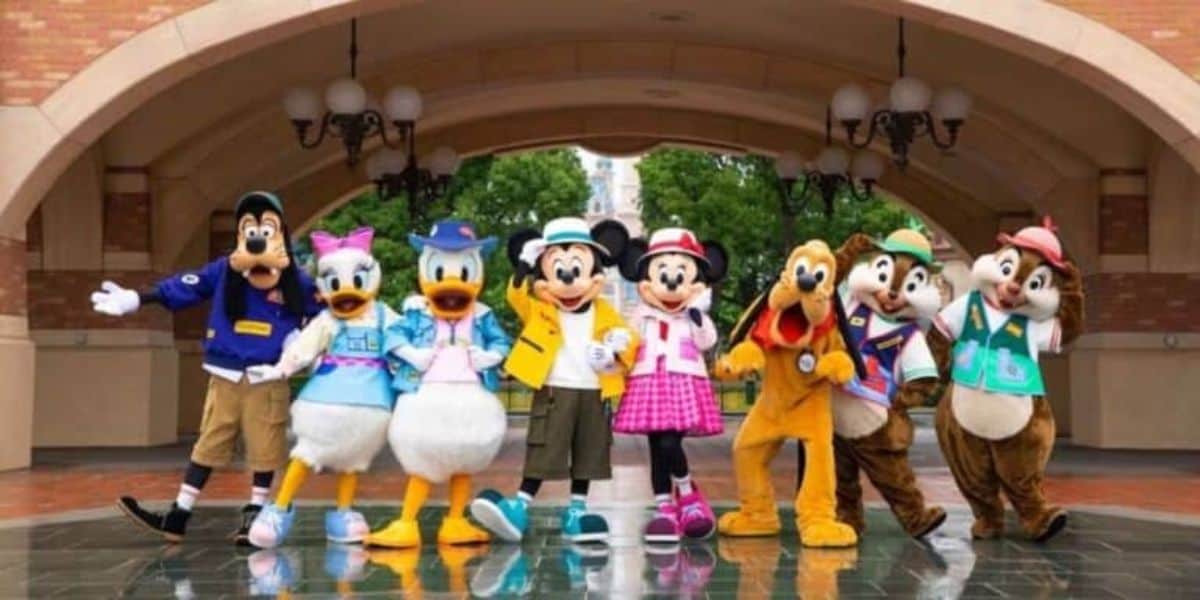
To a casual observer, a Disney character like Winnie the Pooh or Mickey Mouse looks like a soft, walking plush toy. But for the performer inside, the reality is a high-stakes balancing act. The “heads” of these costumes are not simple masks; they are complex engineering feats.
Most character headpieces weigh between 5 and 12 pounds and are secured to the performer’s head via a system of internal harnesses and padding. Because these suits are designed for visual accuracy rather than impact protection, any sudden strike—even a “playful” slap—can be catastrophic.
When a guest hits a character’s head, the kinetic energy isn’t absorbed by the foam; it is transferred directly to the performer’s skull and neck. This can result in:
- Concussions: The internal hardware of the mask can strike the performer’s head.
- Whiplash: The sudden weight shift of a 10-pound headpiece can cause severe neck strain.
- Ruptured Eardrums: The sudden change in air pressure inside the enclosed helmet during a strike can cause permanent hearing damage.
A Pattern of Hostility: Recent Incidents
The trend reached a fever pitch following a widely circulated video from late 2025. In the clip, a guest approached Winnie the Pooh from behind. Instead of a hug, the guest delivered a massive, open-handed blow to the side of the character’s face. The performer immediately clutched their head and collapsed, while the guest laughed and walked away as if it were a harmless prank.

This wasn’t an isolated event. Over the past year, several other incidents have highlighted the growing danger:
- The Mei Mei Red Panda Incident: During a stage show, a guest managed to bypass security to “touch” the fur of the Red Panda from Turning Red, nearly knocking the performer off a raised platform.
- LinaBell Tail Pulling: The popular pink fox has become a primary target for aggressive fans who pull and tug on her oversized tail, often causing the performer to lose their balance.
- The “Hand-Slapping” Trend: A bizarre social media “challenge” recently surfaced where guests try to see how hard they can slap the hands or faces of “fur” characters to see their “reaction.”
The Dehumanization Factor: Why Are Guests Acting Out?
Psychologists studying theme park behavior point to a phenomenon known as “The Mascot Objectification.” Because characters do not speak and have fixed expressions, some guests stop viewing them as human beings.
“When you put on a mask that doesn’t change expression, you lose a level of human empathy from the observer,” says cultural analyst Dr. Sarah Chen. “To these aggressive guests, they aren’t hitting a person; they are hitting an object. They are looking for a physical response from a ‘thing’ rather than realizing there is a living, breathing worker inside who is already struggling with heat and limited visibility.”
Furthermore, the rise of “short-form” video content has exacerbated the problem. Guests are increasingly desperate for “viral” moments, and “pranking” a defenseless Disney character is seen by some as a shortcut to digital clout.
2026: The Security Counter-Strike
In response to these escalating threats, Shanghai Disney Resort has implemented some of the strictest guest conduct policies in the company’s history. As of March 16, 2026, the park has moved from “warnings” to a “Zero Tolerance” framework.

The “Safe-Zone” Implementation
In high-traffic areas like Zootopia Land and the Gardens of Imagination, “fur” characters now often stand behind subtle physical barriers or are accompanied by a 2-to-1 ratio of security handlers. This “no-fly zone” prevents guests from sneaking up behind performers.
The “Blacklist” and Facial Recognition
Shanghai Disney has leveraged its advanced facial recognition infrastructure to enforce bans. Anyone caught intentionally striking a performer is not only removed from the park but is also added to a permanent resort blocklist. This data is integrated with ticket-purchasing systems, ensuring that banned individuals cannot simply buy a new ticket under a different name.
Legal Prosecution
The resort is now working closely with local authorities to treat these incidents as criminal assault. In the case of the Winnie the Pooh assailant, the park pursued criminal charges, resulting in the guest’s administrative detention.
The Future of the “Meet and Greet”
The stakes are high. If the violence continues, the era of “free-roaming” characters may be coming to an end. We are already seeing a shift toward “distanced” interactions, where characters appear on balconies or behind velvet ropes—a move that significantly dampens the “magic” for the average family.
Disney performers work in grueling conditions, often in temperatures exceeding 90°F, while wearing heavy, stifling costumes. They do it to create a moment of joy for children. When the fear of a physical blow replaces that joy, the entire foundation of the theme park experience is at risk.
Conclusion: Protecting the People Behind the Magic
A theme park is a place for fun, but it is also a workplace. The performers at Shanghai Disneyland deserve the same physical safety and respect as any other employee in any other industry. As the 2026 season continues, the message from Disney is clear: Touch the magic, but never touch the performer.
Do you think Disney should implement a “barrier-only” policy for all character interactions to ensure performer safety?