Waymo launched its autonomous ride-hailing service in Orlando on February 24, 2026, bringing fully driverless vehicles to Central Florida’s theme park corridor. The service covers Universal Orlando Resort, parts of Walt Disney World Resort, and Orlando International Airport, making Orlando one of 10 commercial metro areas where Waymo operates.
The expansion comes alongside simultaneous launches in Dallas, Houston, and San Antonio as Waymo scales toward serving over one million rides per week by end of 2026.
How the Launch Works
Waymo is taking a gradual approach, expanding service areas, rider access, and operational capabilities over time rather than immediately opening to everyone. Riders who downloaded the Waymo app will receive invitations to take local rides on a rolling basis to ensure a seamless launch. The service will open to everyone later in 2026.
Tekedra Mawakana, co-CEO of Waymo, stated the company is serving more riders than ever and described Orlando as critical to plans for service in over 20 cities. She noted each community has unique transportation needs and expressed eagerness to provide a safe, reliable way for locals and visitors to travel.
Orlando Mayor Buddy Dyer welcomed the launch, describing it as another example of the city’s forward thinking and commitment to innovation. He emphasized residents now have another option to move about the area while visitors receive world-class mobility.
What This Means for Orlando Theme Park Visitors
The inclusion of Universal Orlando Resort and parts of Walt Disney World in Waymo’s service map creates immediate implications for tourists. Visitors staying at off-property hotels could use Waymo to reach parks without renting cars or relying on traditional ride-sharing, potentially reducing parking costs and eliminating concerns about navigating unfamiliar roads.
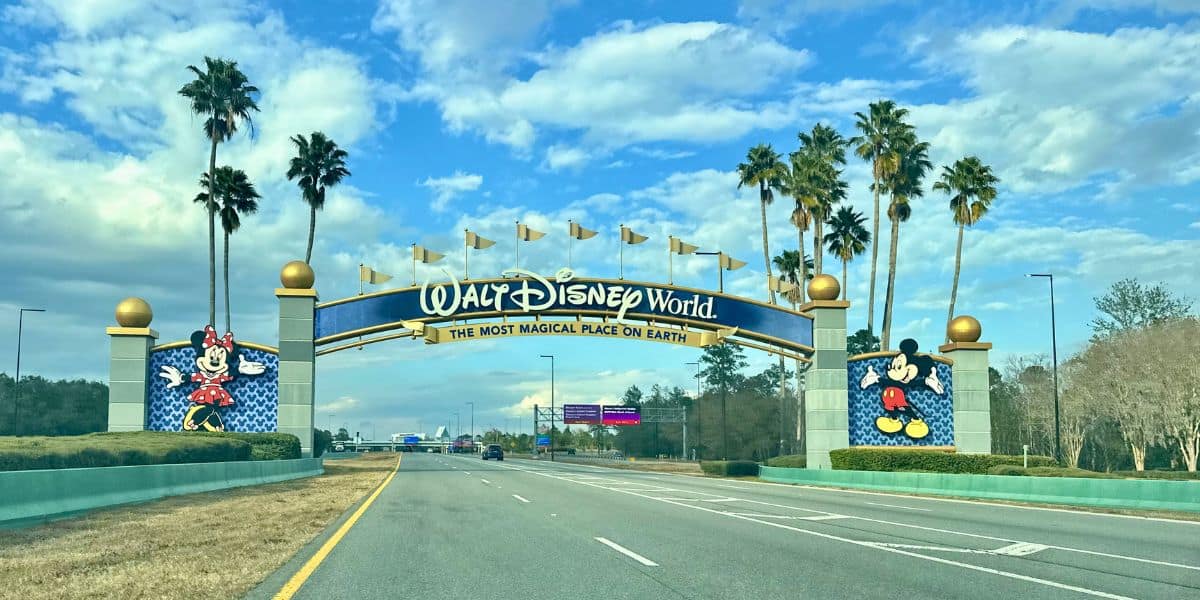
The service covering “parts” of Disney World suggests Waymo may not operate throughout the entire 25,000-acre property, which could limit accessibility depending on where service boundaries fall. Universal’s more compact footprint likely makes comprehensive coverage more feasible.
Orlando International Airport inclusion creates opportunities for visitors to use autonomous vehicles for airport transfers rather than traditional ground transportation, potentially offering price competition.
The Technology
Waymo vehicles rely on cameras, radar, lidar sensors, and artificial intelligence to detect surroundings, predict movement, and navigate without human input. Unlike driver-assistance features in consumer vehicles, these systems operate fully autonomously.
Supporters say the technology has potential to reduce crashes caused by human error, which account for the majority of traffic collisions. Autonomous ride services could also expand mobility for people who cannot drive and provide alternative transportation at all hours.
Safety and Regulatory Questions for Orlando
The arrival of driverless vehicles raises ongoing questions about safety, regulation, and accountability. Issues including liability in crashes, insurance coverage, interaction with law enforcement, system failures, and operation during severe weather remain areas of discussion.
Florida has positioned itself as a leader in testing emerging transportation technologies, but broader adoption will likely require continued updates to state and local laws.
For Central Florida residents and theme park workers commuting on the same roads, the presence of driverless cars represents a shift from theoretical technology to real-world application. Drivers may encounter vehicles with no one behind the wheel navigating through traffic.
Accessibility Focus
Waymo is working with Lighthouse Central Florida, an organization that empowers individuals with vision loss, to ensure the service meets diverse needs of residents. This partnership reflects recognition that autonomous vehicles could provide transformative mobility options for people with disabilities.
The Gradual Timeline
Waymo’s intention to open service to everyone later in 2026 suggests the current invitation-only rollout represents just the beginning. As the company evaluates performance and increases rider availability throughout 2026, the service will become more visible and accessible.
The expansion toward service in over 20 cities indicates Waymo views Orlando as part of a much larger autonomous vehicle deployment. Success in Orlando, with its unique combination of tourism traffic and local commuters, could provide operational learnings for other tourist-heavy markets.
Will you use Waymo to travel to Orlando theme parks, or do you prefer traditional transportation with human drivers?