Outbreak Alert: New Measles Exposure at Disneyland Sparks Health Crisis in 2026

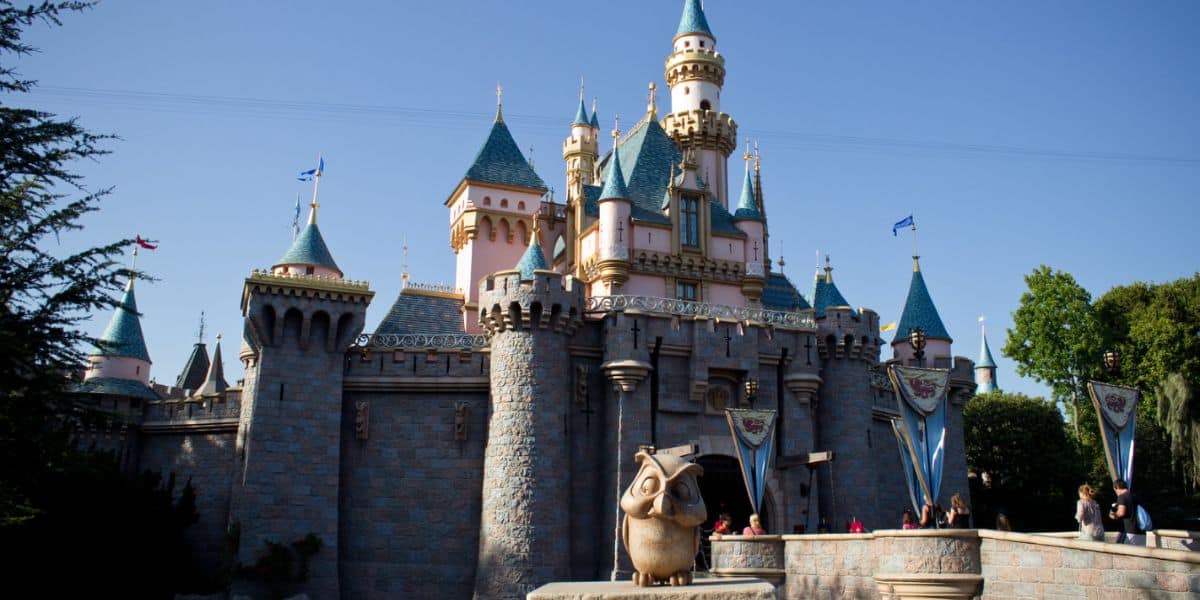
The “Happiest Place on Earth” is currently navigating a decidedly somber health alert. As of February 8, 2026, public health officials in Southern California are on high alert following the second confirmation of a measles exposure at the Disneyland Resort. This latest report, detailed by the Orange County Register, has sent ripples through the travel community, serving as a chilling reminder that even the most magical destinations are not immune to the realities of infectious disease.

For the Orange County Health Care Agency (OCHCA), the situation is a race against time. Measles is not merely a “childhood illness” of the past; it is an incredibly aggressive, highly contagious respiratory virus that thrives in the exact conditions Disneyland provides: high-density crowds, shared indoor spaces, and international travelers mingling in close proximity.
The Anatomy of an Exposure: How the Virus Traveled
The OCHCA has identified specific time windows during which an infected individual visited both Disneyland Park and Disney California Adventure. Because the individual was contagious during their visit, thousands of guests could have unknowingly come into contact with the virus. The individual visited Disneyland Park on Thursday, January 22, from 8 a.m. to 4 p.m., and Disney California Adventure Park from 3 p.m. until closing.
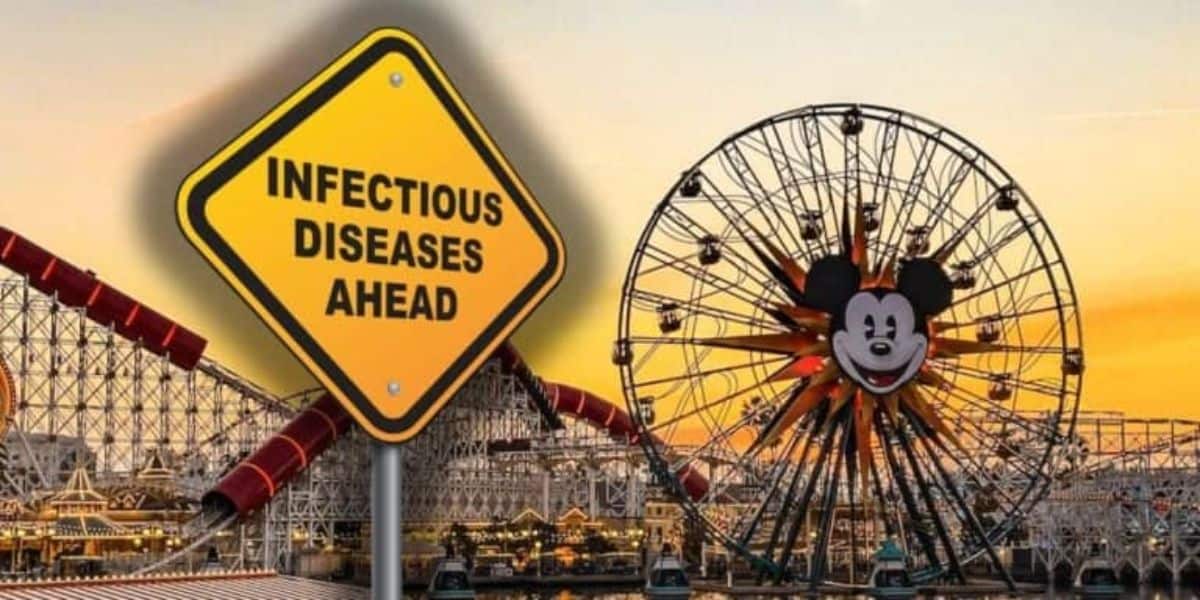
The danger of a measles exposure at a theme park lies in its “Airborne Persistence.” Measles is primarily spread through the air when an infected person coughs or sneezes. However, unlike the common cold, the measles virus doesn’t just drop to the ground. It can hang suspended for up to 2 hours.
Imagine standing in a 60-minute queue for Space Mountain. If an infected person walked through that line an hour before you, the microscopic droplets containing the virus could still be floating in the air, waiting to be inhaled. This “ghost-like” transmission is why measles is considered one of the most contagious diseases on the planet; in an unvaccinated population, one person with measles will typically infect 12 to 18 others.
Symptoms: The 10-Day Countdown
If you or your family were at the Disneyland Resort during the first week of February 2026, you are currently within the “incubation window.” Symptoms typically appear 7 to 14 days after exposure, but may take up to 21 days.

The Early Red Flags (The First 3-5 Days):
- The “Three Cs”: Cough, Coryza (runny nose), and Conjunctivitis (red, watery, light-sensitive eyes).
- High Fever: Unlike a mild cold, measles almost always triggers a fever that can spike above 104°F.
- Koplik Spots: Small, white spots with bluish-white centers that appear inside the mouth (on the inner lining of the cheek). These are a unique “early warning” sign of measles.
The Characteristic Rash: About 3 to 5 days after the initial symptoms begin, the characteristic measles rash appears. It usually starts at the hairline and spreads downward to the neck, trunk, arms, legs, and feet. These flat red spots can eventually join together to cover the entire body.
The “Resurgence” Crisis: Decreased Vaccination Rates
The headline “Measles at Disneyland” shouldn’t exist in 2026. In 2000, the United States officially declared that measles had been eliminated. However, that status was built on a foundation of “Herd Immunity”—the idea that if 95% of the population is vaccinated, the virus has nowhere to go and eventually dies out.

In recent years, that foundation has begun to crumble. Decreased vaccination rates across the U.S. and globally have created dangerous “immunity gaps.” Public health experts point to several factors:
- The Post-Pandemic Slump: Routine childhood vaccinations for MMR (Measles, Mumps, and Rubella) dropped during the early 2020s and, in many communities, have yet to return to pre-pandemic levels.
- Misinformation Echo Chambers: Online communities continue to foster “vaccine hesitancy,” leading some parents to opt for “personal belief exemptions” despite overwhelming medical evidence of the vaccine’s safety and efficacy.
- Global Mobility: Disneyland is an international hub. When vaccination rates fall in Europe, Southeast Asia, or other parts of the U.S., travelers can unwittingly bring the virus into the park.
When a highly contagious virus meets a population with waning immunity, a theme park stops being a sanctuary and becomes a “superspreader” environment.
What Should You Do?
If you suspect you or your child has been exposed during the January 2026 Disneyland outbreak, the most crucial step is to call ahead.
Do not go directly to an Urgent Care or Emergency Room without notifying them first. Because measles is so contagious in the air, a single person in a waiting room can infect every other patient in the building. Healthcare providers need to prepare an isolation room for you before you arrive to protect the vulnerable, especially infants too young to be vaccinated and the immunocompromised.
The Power of the MMR Vaccine: If you are vaccinated with two doses of the MMR vaccine, you are 97% protected. For the vast majority of Disney fans, their childhood vaccinations will act as a shield. The real risk lies with the unvaccinated and those born before 1957 who may not have natural immunity.
Conclusion: Protecting the Magic
Disneyland has survived many challenges, but the recurring threat of measles is a stark reminder that the “Disney Bubble” isn’t impenetrable. Public health is a collective effort; the magic only works when the community’s safety net is intact. As health officials continue to monitor the current exposure, the message is clear: check your records, stay home if you’re symptomatic, and help keep the parks safe for the next generation of Mouseketeers.

Were you at the parks during the exposure window? Visit the Orange County Health Care Agency’s official portal for a complete list of times and locations where exposure occurred.