In the gilded halls of The Walt Disney Company, “family values” isn’t just a mission statement; it’s a multi-billion-dollar brand. But behind the pixie dust and the wholesome image lies a legal reality that the “House of Mouse” has been trying to bury for years. As we move into 2026, a disturbing fact continues to surface: Harvey Weinstein, the disgraced film mogul and convicted sex offender, is still allegedly receiving a hefty monthly pension check from the Disney corporation.

For many, the idea of Disney—the purveyor of childhood dreams—funding the retirement of a man currently serving a decades-long sentence for predatory crimes is a stomach-turning irony. However, a deep dive into 1990s contract law, the acquisition of Miramax, and federal pension protections reveals that Disney isn’t paying Weinstein because they want to—they’re doing it because they have no other choice.
The $60 Million Marriage That Won’t End
To understand the connection, one must travel back to 1993. At the time, Disney, under the aggressive leadership of Michael Eisner and Jeffrey Katzenberg, was desperate to shed its “kiddie-only” image and dominate the Oscar race. Their solution was to acquire Miramax, the scrappy, independent powerhouse run by Harvey and Bob Weinstein.

Disney bought the studio for roughly $60 million. But the deal wasn’t just for a film library; it was for the brothers themselves. As part of the acquisition, Harvey and Bob were integrated into Disney’s corporate structure as high-level executives. For the next 12 years, until their contentious departure in 2005, the Weinsteins were officially Disney employees.
During those “Golden Years” of Miramax, the brothers were enrolled in the same executive compensation and retirement plans as any other high-ranking Disney vice president. They spent over a decade “vesting” in the Disney pension fund, building a retirement nest egg backed by the financial might of the world’s largest media empire.
The Non-Forfeiture Clause: Why Prisons Don’t Stop Pensions
When the bombshell allegations against Weinstein broke in 2017, sparking the global #MeToo movement, Disney CEO Bob Iger was quick to condemn him. The company scrubbed the Miramax name wherever it could and distanced itself from the man who once sat on its board.
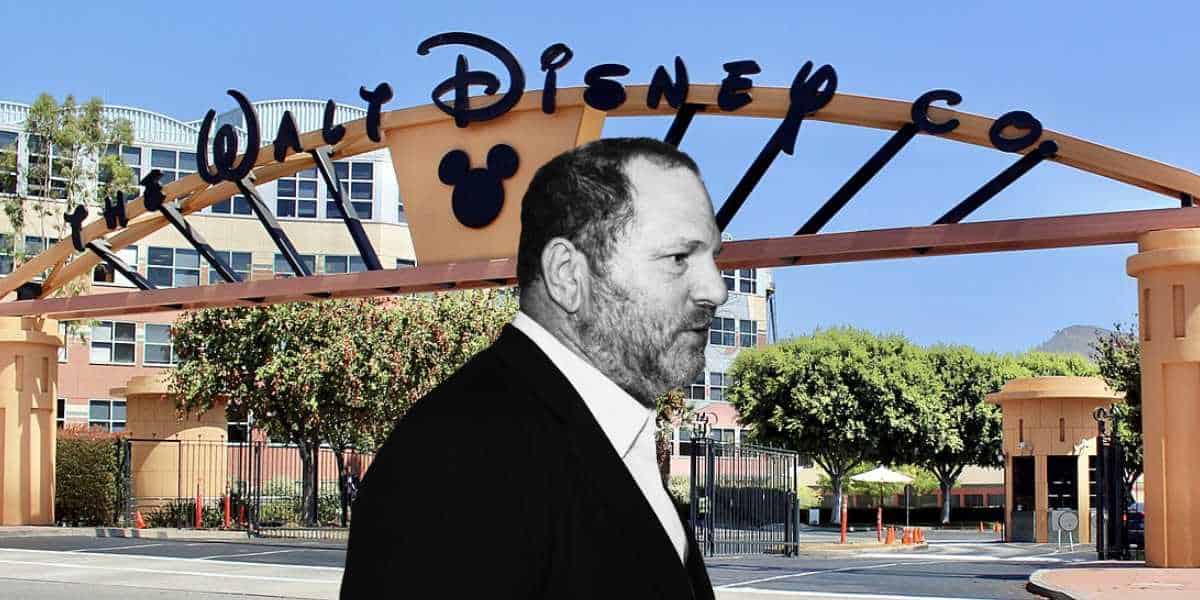
But public condemnation and legal obligation are two different things.
The primary reason Weinstein continues to receive Disney checks—reportedly ranging between $10,000 and $15,000 a month—is a federal law known as ERISA (the Employee Retirement Income Security Act). Weinstein claimed in the interview that his entire pension is worth $60,000; however, half goes to his ex-wife, and other legal fees take up most of the remainder.
ERISA was designed to protect American workers from having their retirement snatched away by vengeful employers. Under this law, once an employee has worked the required years to “vest” in a pension, that money becomes their legal property. Crucially, ERISA contains non-forfeiture provisions. This means that even if an employee is later found to have committed heinous crimes, the company generally cannot legally seize or stop their pension payments.
In a recent jailhouse interview, Weinstein reportedly alluded to his continued financial ties to his “old friends at Disney.” While likely intended as a jab at the company that abandoned him, it highlights a dark legal truth: Disney’s hands are tied by a contract signed three decades ago.
The “Bad Boy” Clause: A 1990s Oversight
Modern executive contracts are often filled with “morality clauses” or “Bad Boy” provisions. These allow a company to claw back bonuses or cancel future payments if an executive is convicted of a crime or brings the brand into disrepute.

However, in the early 1990s, the Weinsteins were the kings of Hollywood. When they negotiated their deal with Disney, they had massive leverage. Their contracts were built with ironclad protections that favored the executives over the parent company. By the time the world learned the truth about Harvey’s behavior, the pension was already fully vested and protected by federal labor laws. For Disney to stop the payments now would likely trigger a lawsuit from Weinstein’s estate—a legal battle Disney would almost certainly lose, and one that would only keep the Weinstein name in the headlines longer.
Where is the Money Actually Going?
There is a small measure of justice in how these checks are handled. While Disney is legally required to cut the check, the money doesn’t necessarily end up in Harvey’s pocket for his personal use.

Because of the massive civil judgments and settlements awarded to his survivors, Weinstein’s income streams—including his Disney pension and various film residuals—are often subject to liens and garnishments. In many instances, the money that leaves Disney’s accounts is diverted directly into funds meant to compensate the women whose lives and careers he destroyed.
Furthermore, his astronomical legal fees and the cost of maintaining his defense team have drained much of his liquid wealth. For a man who once controlled the Oscars and lived in absolute luxury, the Disney pension has become a survivalist lifeline rather than a prize.
The PR Nightmare for the “Iger 2.0” Era
For Bob Iger, who returned as CEO to stabilize Disney’s brand, the Weinstein pension is a “ghost in the machine.” It serves as a recurring reminder of a period in Hollywood history when major corporations looked the other way in exchange for prestige and profits.
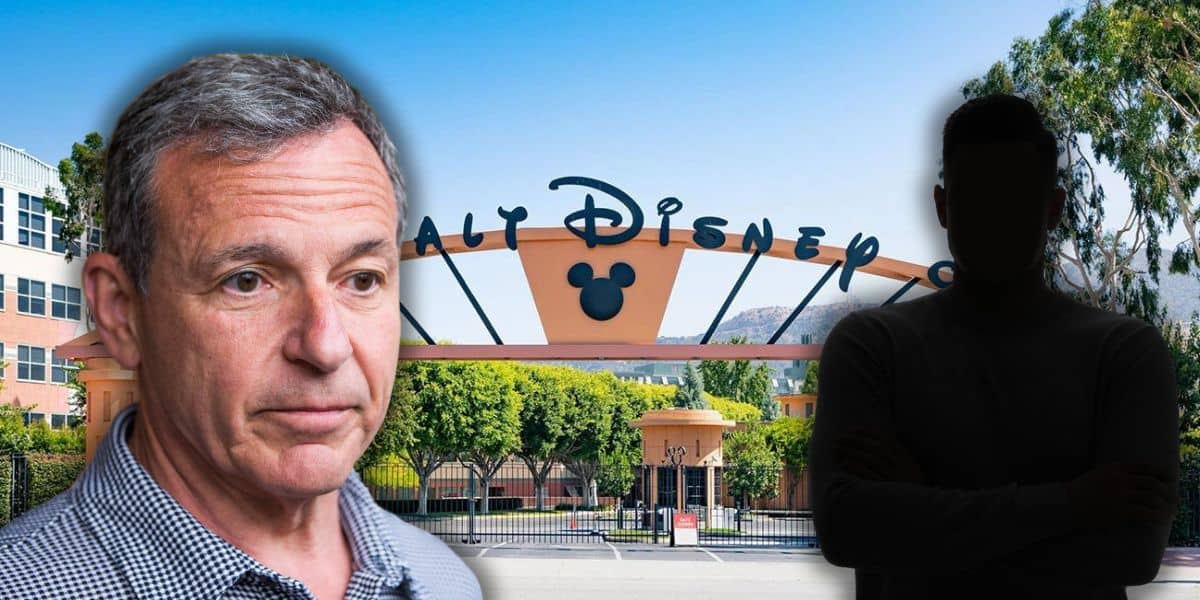
Critics argue that Disney should have fought to litigate the pension away regardless of the ERISA protections, if only to make a moral stand. Others suggest that the company should take the equivalent amount of the pension and donate it monthly to organizations like RAINN (Rape, Abuse & Incest National Network) to “launder” the moral stain of the payments.
Conclusion: A Legacy Locked in Law
The case of Harvey Weinstein’s Disney pension is a stark cautionary tale for the corporate world. It proves that the decisions made in a boardroom today can create a “forever tie” with a person who might later become a pariah.

As Weinstein remains behind bars, the checks continue to be printed. It is a monthly reminder of an era when the “Miramax Machine” was the pride of Disney, and a testament to the fact that under American law, a pension is a property right that even a prison cell cannot revoke. Disney is trapped in a legal marriage it desperately wants to end, paying a monthly “alimony” to a man who represents everything the company claims to stand against.
Are you surprised that federal law protects the pensions of convicted criminals? Does this change how you view Disney’s past leadership? Let us know in the comments.