Florida’s most controversial theme park has once again drawn attention following the death of another marine mammal.
Public attitudes toward marine parks shifted dramatically after the release of Blackfish in 2013, which focused on the experiences of captive orcas at SeaWorld. The film fueled a broader cultural reckoning over whether highly social, wide-ranging marine mammals can thrive in human-controlled environments.

Miami Seaquarium has been a central figure in this debate. The facility spent years defending its animal care standards as advocates, veterinarians, and regulatory agencies raised questions about enclosure size, water quality, and the medical management of aging animals. The park became synonymous with prolonged controversy.
The Dolphin Company, which operated the park, later filed for Chapter 11 bankruptcy as financial strain mounted. Negotiations with Miami-Dade County over the lease and animal welfare requirements continued, even as the park faced growing calls for closure and relocation of the animals still on-site.
In October 2025, public operations at Miami Seaquarium ceased. County officials have discussed redevelopment options for the property. The exact future of the site remains unsettled.
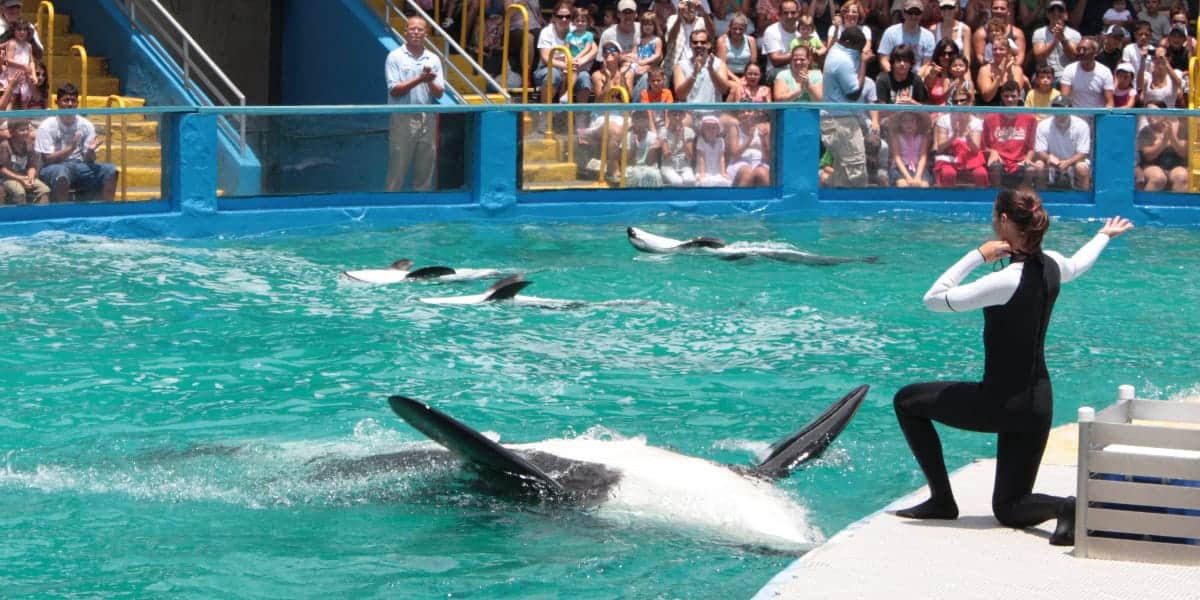
Reports over the years have documented multiple deaths among marine mammals at the park, including dolphins and a sea lion, according to inspection records and federal reports. Advocates have argued these cases reflect larger systemic issues, while the park consistently maintained that its veterinary teams provided dedicated and attentive care.
Death of Boomer the Dolphin
MS Leisure Company confirmed the recent passing of Boomer, a bottlenose dolphin who had previously lived at Marineland and Dolphin Connection before being relocated to Miami Seaquarium for closer supervision. The company stated that veterinary staff believed the move would provide improved monitoring and a more suitable social environment.
Boomer had a longstanding history of chronic health issues, including appetite instability, recurrent inflammation, and intermittent infections. Care teams were said to have provided ongoing diagnostics, antimicrobial treatment, nutritional adjustments, and supportive care as they tracked his condition.

In the weeks before his death, staff observed weight loss and increased care and supplemental nutrition. “These efforts initially appeared to show success as Boomer began to regain weight and behave normally. However, on the morning of November 2, he was found deceased.” A necropsy will be performed to determine the cause.
Miami Seaquarium described Boomer as a “remarkable dolphin” known for inspiring affection among trainers and veterinary staff.
The Dolphin Company thanked the animal care teams and community members for their support.