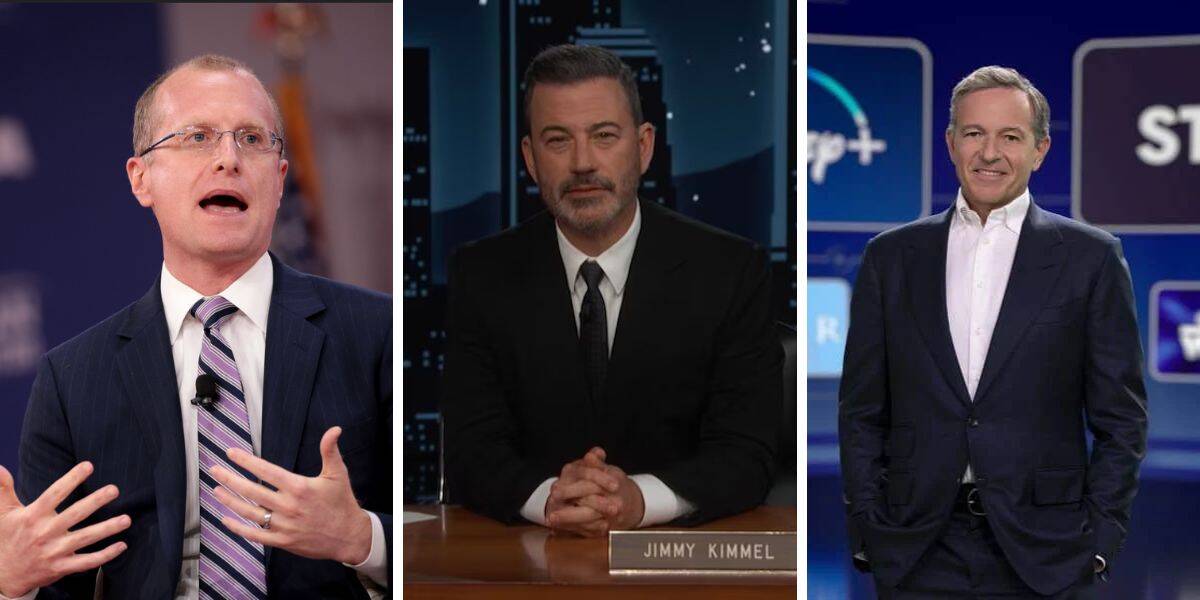
FCC Investigation Announcement
The Federal Communications Commission (FCC) has announced an investigation into Disney’s relationships with its affiliate broadcasters following recent events surrounding late-night host Jimmy Kimmel. This inquiry aims to examine the contractual restrictions and penalties that commonly govern the interactions between Disney and its ABC affiliates.
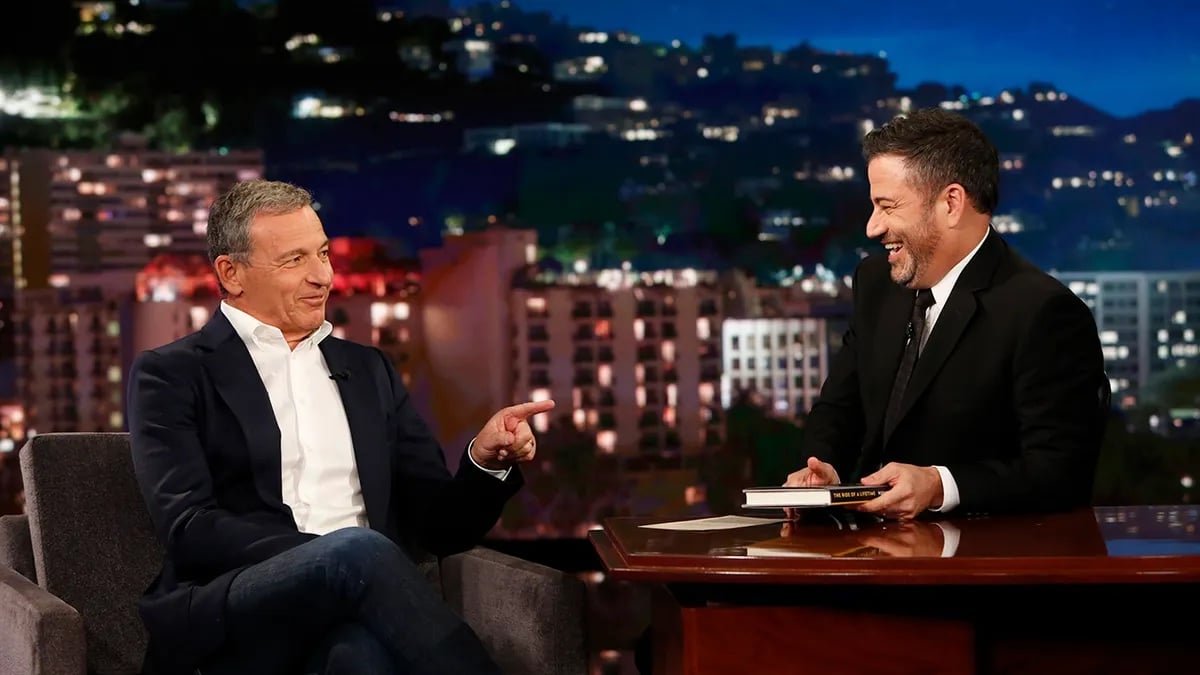
The investigation could significantly impact local stations’ decision-making autonomy, potentially altering how they manage their programming. The Trump Administration’s influence continues to be felt in these regulatory undertakings, as local broadcasters seek greater control over the content they air.
Background of the Kimmel Controversy
The controversy began when Disney suspended Jimmy Kimmel from his show, only to reinstate him amid public outcry. The rapid decision left many wondering about Disney’s programming strategy and its relationship with major affiliate owners, specifically Nexstar and Sinclair Broadcasting.
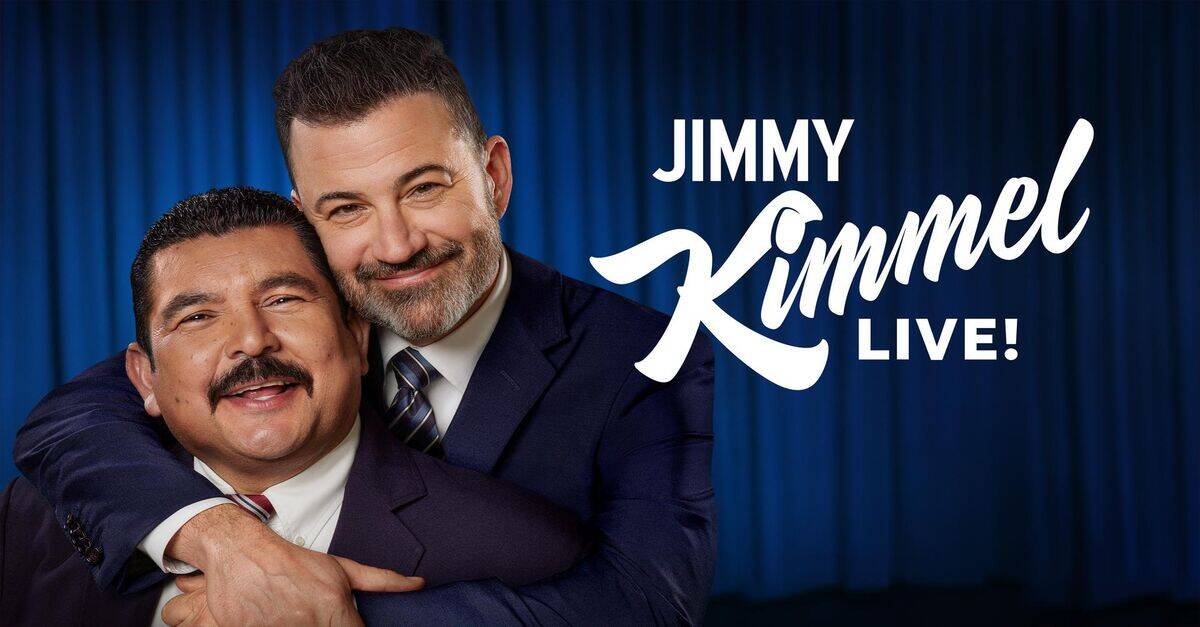
Both networks publicly expressed dissatisfaction with Disney’s actions and demanded that the FCC investigate their contractual ties. These affiliate networks felt that their autonomy was being undermined and sought an official examination into the extent of Disney’s influence over local programming decisions.
The situation surrounding Kimmel has underscored the strained dynamics between content producers and local broadcasters, which frequently serve as the frontline distributors of national programming.
Potential Impacts on Local Affiliates
The potential outcomes of the FCC’s investigation could drastically change the landscape for local affiliates. Under the scrutiny of the FCC, there is a possibility of modifying rules that currently restrict local stations from preempting national programs without facing penalties. If these particular contractual agreements are adjusted, local broadcasters might gain newfound freedom to prioritize their regional content and better serve their community interests.
As an outcome, affiliates could push back against Disney’s network programming to instead feature local shows they deem more appropriate for their viewership. Consequently, this could lead to increased competition between local content and national programming, as decisions by affiliates could directly shape their viewers’ experiences, thereby elevating local news and entertainment.
Broader Industry Implications
The FCC’s decision to investigate these affiliate relationships could herald a significant shift in how major networks, such as Disney, interact with local stations. It raises essential questions about the balance of power in the broadcasting landscape, particularly in an era where streaming services are gaining popularity. The inquiry looks to address concerns that networks, in their pursuit of subscriber growth through platforms like Disney+, may unreasonably disadvantage local affiliates.

With the shift of content from traditional broadcasting to streaming channels, local TV stations fear loss of audience share and revenue, causing them to urge for changes that protect their interests. The anticipated outcomes of this investigation could reshape partnerships and obligations among all players in the television industry, allowing local affiliates to reclaim some control over their airwaves.
As Disney navigates the aftermath of the Kimmel situation, it finds itself at a crossroads. While the company managed to resolve the immediate Kimmel issue, it faces broader implications from the FCC’s ongoing inquiry. The future of local TV stations remains uncertain as they continue to advocate for fair treatment in the rapidly changing media landscape. The FCC’s actions may ultimately define not only Disney’s operational framework but also the stability and evolution of the larger television industry in the years to come.