Universal Orlando Resort launched Epic Universe in May 2025 with one goal: to prove they could build a theme park that would genuinely compete with Disney’s best. Fans had waited years for this moment, expecting a park that would reset Florida’s theme park hierarchy.
Epic Universe delivered on the spectacle—but nobody anticipated how quickly it would start showing its biggest weakness.
The Park That Was Supposed to Change Everything
Universal didn’t hold back when they opened their fourth gate. Epic Universe showcases five distinct lands: Celestial Park serves as the hub, branching out to SUPER NINTENDO WORLD, Dark Universe, How to Train Your Dragon – Isle of Berk, and The Wizarding World of Harry Potter – Ministry of Magic. Each land functions as its own mini-park, packed with enough content to justify hours of exploration.
On opening day, Epic Universe looked like Universal had finally built something that could stand toe-to-toe with Disney’s flagship parks. The theming impresses, the scale feels massive, and the ride lineup delivers precisely the kind of bold experiences Universal promised. But there’s a catch Universal didn’t emphasize during the hype cycle.

Epic Universe’s Fundamental Flaw
Epic Universe runs into serious trouble when storms roll through Central Florida, and those storms happen routinely. The park relies heavily on outdoor attractions, which creates a vulnerability that guests feel immediately when lightning enters the area. Universal’s safety protocols make perfect sense—nobody wants guests riding outdoor coasters during thunderstorms.
The issue isn’t the policy.
The problem is how dramatically these closures affect the entire park experience. Universal Studios Florida and Islands of Adventure offer guests plenty of indoor alternatives when weather forces outdoor rides to shut down. Shows, indoor attractions, and covered experiences keep crowds moving and give families options. Epic Universe doesn’t have that same backup plan, and guests notice the difference fast.

Half the Park Disappears
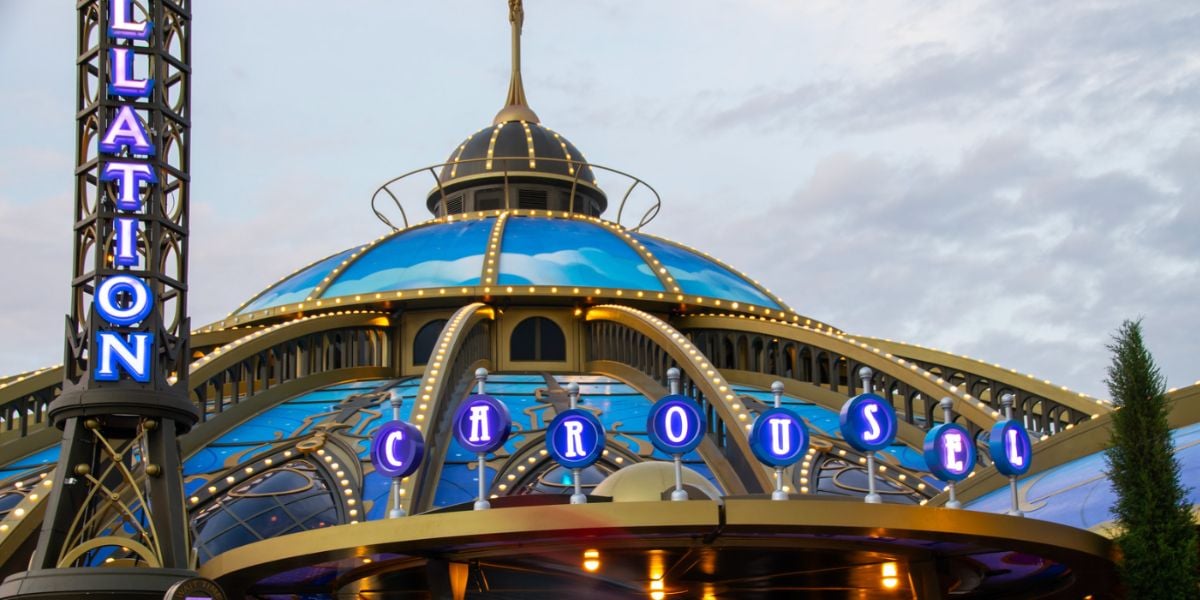
Epic Universe loses eight major attractions simultaneously when lightning gets detected nearby: Mine-Cart Madness, Stardust Racers, Hiccup’s Wing Gliders, Dragon Racer’s Rally, Yoshi’s Adventure, Fyre Drill, the Carousel, and Curse of the Werewolf.
These aren’t minor background attractions—they’re the headliners guests build their entire day around. Losing them all at once doesn’t just inconvenience visitors; it also undermines the whole experience. It fundamentally breaks how the park operates. Crowds that were spread across multiple lands suddenly compress into whatever stays open.
Wait times spike, walkways get congested, and what should feel like an expansive park starts feeling cramped and restrictive. Guests stop exploring and start waiting, constantly refreshing apps and watching the sky, hoping rides reopen soon.

Families Hit the Hardest
Families with young children struggle most during these weather closures. Epic Universe doesn’t offer a deep roster of kid-friendly attractions that can carry the park when several rides go offline.
Yoshi’s Adventure and the Carousel are among the most accessible options for younger guests, so losing both simultaneously leaves families with few alternatives.
Small kids can’t easily pivot to thrill rides or handle extended wait times, which means parents spend their day wandering and improvising rather than enjoying the park Universal promised them.
The Reliability Problem Universal Can’t Ignore
Epic Universe remains an impressive achievement. Universal built something visually stunning with ambitious theming and genuinely exciting attractions. But the weather vulnerability keeps growing as a concern. When a brand-new park that was supposed to change everything can lose most of its major attractions to routine afternoon thunderstorms, reliability becomes a bigger issue than competition or crowd levels.
If weather disruptions continue throughout 2026, Universal needs to develop better solutions for supporting guests during closures. Right now, Epic Universe’s biggest problem isn’t other parks—it’s whether guests can count on it actually to function when Florida’s weather shows up.