

For decades, the idea of a Disney theme park in the Middle East has been the ultimate “what if” for fans and urban planners alike. In early 2026, that dream seemed closer to reality than ever. Disney announced that the massive development in the United Arab Emirates had reached a fever pitch, fueled by viral social media speculation about which lands the new park would include.

But as of March 2026, the pixie dust is settling, and the view is far from magical. The “Happiest Place on Earth” has run headlong into one of the most complex geopolitical crises of the century.
According to a sobering Reuters report, Gulf Arab states are currently undergoing a massive strategic review of their global and regional investment portfolios. The catalyst? Severe financial and political strains caused by the escalating Iran conflict. As these nations begin to pull back their capital and pivot toward domestic survival, Disney’s UAE ambitions aren’t just in danger—they might be “dead on arrival.”
The Billion-Dollar Pivot: Why the Money is Vanishing
The planned Disney park in Abu Dhabi was never just about roller coasters. It was the centerpiece of a multi-billion-dollar effort by Gulf nations to diversify their economies away from oil and toward global tourism. These projects rely on a specific ecosystem: massive sovereign wealth funds, open global shipping lanes, and a regional image of safety and stability.
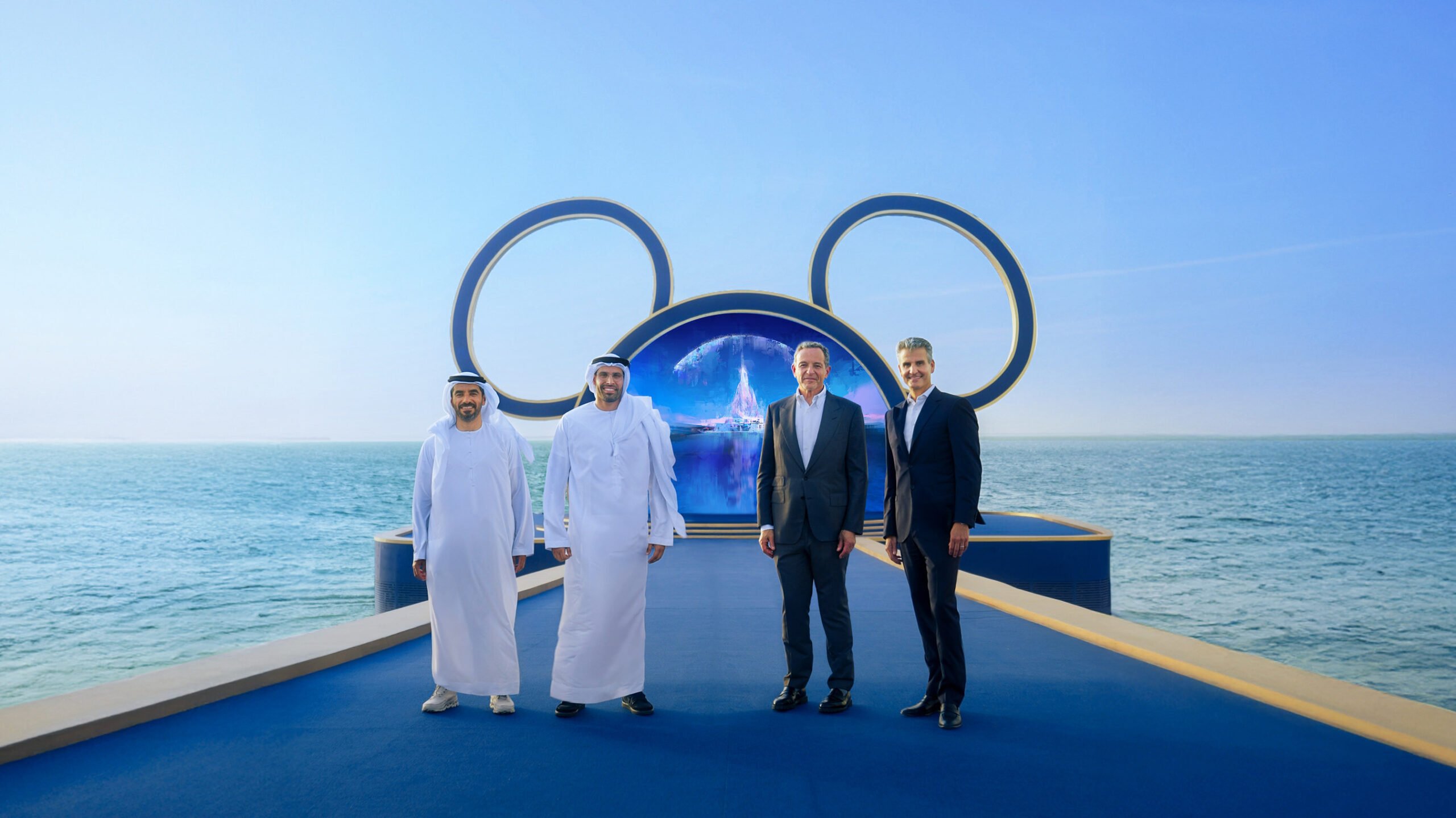
The Iran conflict has shattered all three.
1. The War Chest vs. The Magic Kingdom
The Reuters report, citing the Financial Times, makes it clear that the “financial strains” of the ongoing conflict are forcing Gulf leaders to make impossible choices. Money previously earmarked for “prestige” projects—such as a $20 billion Disney resort—is being diverted to defense spending and regional security. When the choice is between a new Iron Dome-style defense system or a Space Mountain clone, the outcome in a war zone is predictable.
2. The Strategic Pullback from the U.S.
Perhaps more concerning for Disney is the geopolitical shift. As Arab states navigate the complexities of the Iran war, many are re-evaluating their deep financial ties to U.S. brands. If the conflict has created a rift in U.S.-Gulf relations, hosting the ultimate icon of American cultural soft power—Disney—suddenly becomes a political liability.
Investors who once saw Disney as a “safe bet” now see it as a symbol that could draw unwanted attention or even become a target during regional hostilities. The “pullback” from U.S. investments isn’t just about the money; it’s about strategic independence.
Geopolitics vs. Imagineering: The Impossible Logistics
Building a Disney park is one of the most complex engineering feats on the planet. It requires specialized steel from overseas, hyper-advanced animatronics from Glendale, California, and a global supply chain that functions like clockwork.

The Iran conflict has turned the Gulf’s shipping lanes into a high-risk zone. Insurance premiums for cargo ships have skyrocketed, and delays are now measured in months rather than days. For a project on the scale of a Disney park, these logistical hurdles add billions to the “unforeseen costs” column. In a climate where the Reuters report notes “financial strains,” these extra costs are enough to make even the wealthiest sovereign funds walk away.
The Tourism Vacuum
Disney parks are designed to be “fly-in” destinations. They require millions of international travelers to feel safe enough to board a long-haul flight. With the regional tension involving Iran dominating global news cycles, the “vacationer’s confidence” in the Middle East has cratered.
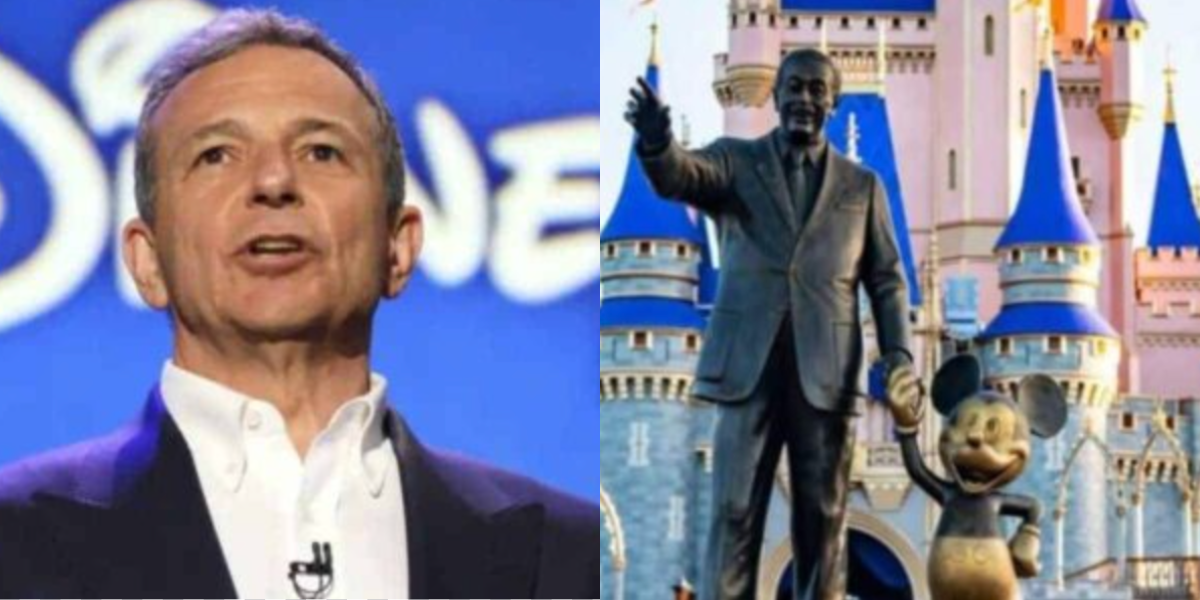
No bank or wealth fund is going to greenlight a park designed for 15 million guests a year when current travel data suggests that people are actively avoiding the region. The “Magic” can’t happen if the guests are too afraid to show up.
Disney’s Own Internal Shift
It’s not just the UAE that is changing. Back in Burbank, The Walt Disney Company is going through an intense period of creative pruning. Under the leadership of CCO Dana Walden, the studio has been cancelling projects that lack a “guaranteed” path to success. We’ve seen this with the shelving of live-action remakes like Robin Hood and Bambi.
If the UAE partner—who is to provide the land and the bulk of the infrastructure capital—starts to waver, Disney is unlikely to step in and fund the project itself. Disney prefers the “licensing” model for its international parks. Without the Arab states’ full financial backing and a stable environment, Disney will likely let the “UAE Dream” quietly slide off the release calendar to focus on its domestic expansions in Florida and California.
The “Tweet” That Was Too Early
The viral post on X that set the world ablaze in late 2025 was a snapshot of a different era—a time when “Vision 2030” and similar expansion plans seemed inevitable. It showed a world in which Mickey Mouse was the final piece in the UAE’s transformation into a global entertainment hub.
But the 2026 reality is a stark reminder that entertainment is a luxury of peace. The Reuters report on Gulf investment reviews is a signal that the “Golden Age” of Middle Eastern expansion is entering a deep freeze.
Conclusion: A Kingdom Put on Hold
As the Iran conflict continues to drain the financial and political capital of the Middle East, the prospect of a UAE Disney park is fading into the horizon like a desert mirage. The “pullback” of Arab investment in the U.S. and the diversion of funds to defense and internal stability mean that the site once destined for Cinderella’s Castle will likely remain a stretch of empty sand for the foreseeable future.

Disney UAE isn’t just in danger; it is a casualty of a world that has become too volatile for a fairy tale.
What do you think? Is it time for Disney to look at another region, or should they wait for the conflict to subside before building their Middle Eastern home? Let us know in the comments.




Perhaps build that in Thailand 🇹🇭 or Western Sydney in Australia 🇦🇺.