Disneyland Resort is piloting a new security screening approach that could significantly reduce wait times for many guests entering the theme parks. The experimental system categorizes visitors into two distinct groups based on whether they’re traveling with wheeled items.
Security Screening at Disneyland Resort
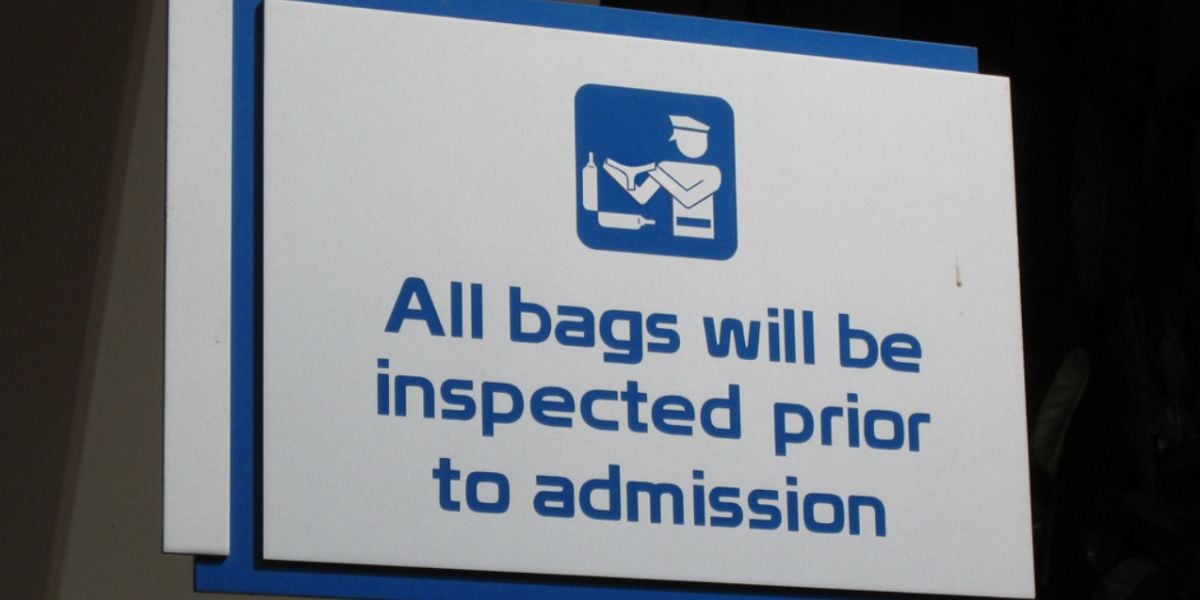
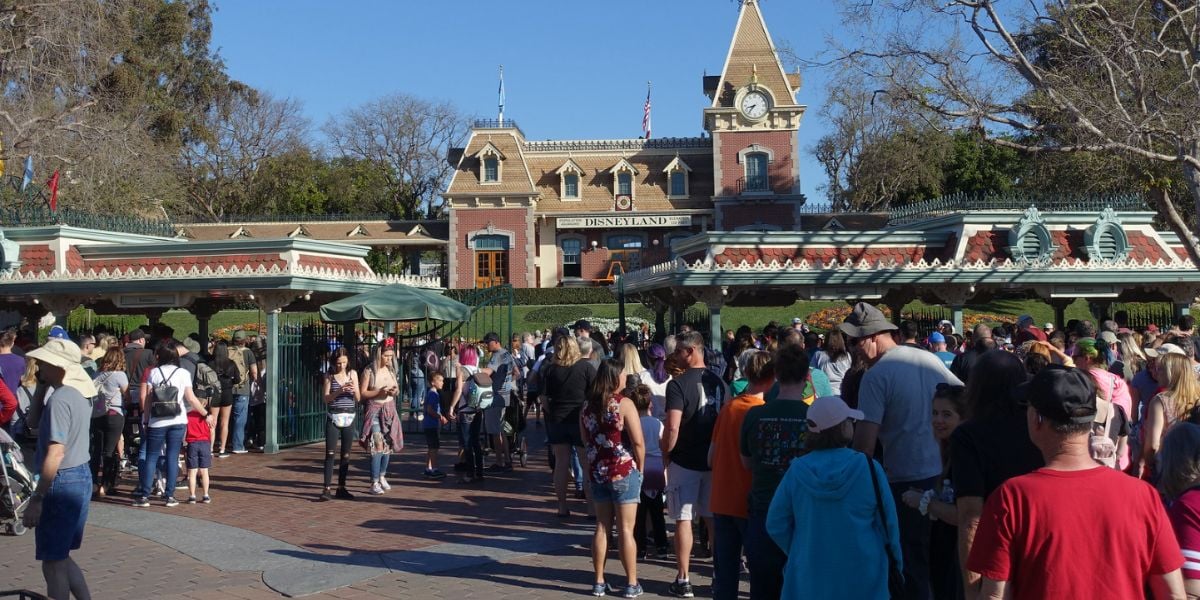
Before guests can access Disneyland Park or Disney California Adventure Park, they must undergo mandatory security screening, which includes passing through a metal detector and potentially undergoing random bag inspections. While modern detection technology has eliminated universal bag searches for everyone, the screening process still consumes considerable time, particularly during peak morning hours when guests arrive for rope drop.
Southern California Disney Parks enthusiasts have documented the extent of these delays, with some reporting extraordinary wait times during busy periods. One Reddit user shared their frustration with the community:
One hour wait in security line. And counting…
One hour wait in security line. And counting…
byu/Alexander_3112 inDisneyland
The lengthy screening queues have prompted Disneyland Resort to explore solutions for improving throughput without compromising safety protocols.
The “Wheels” and “No Wheels” System Explained

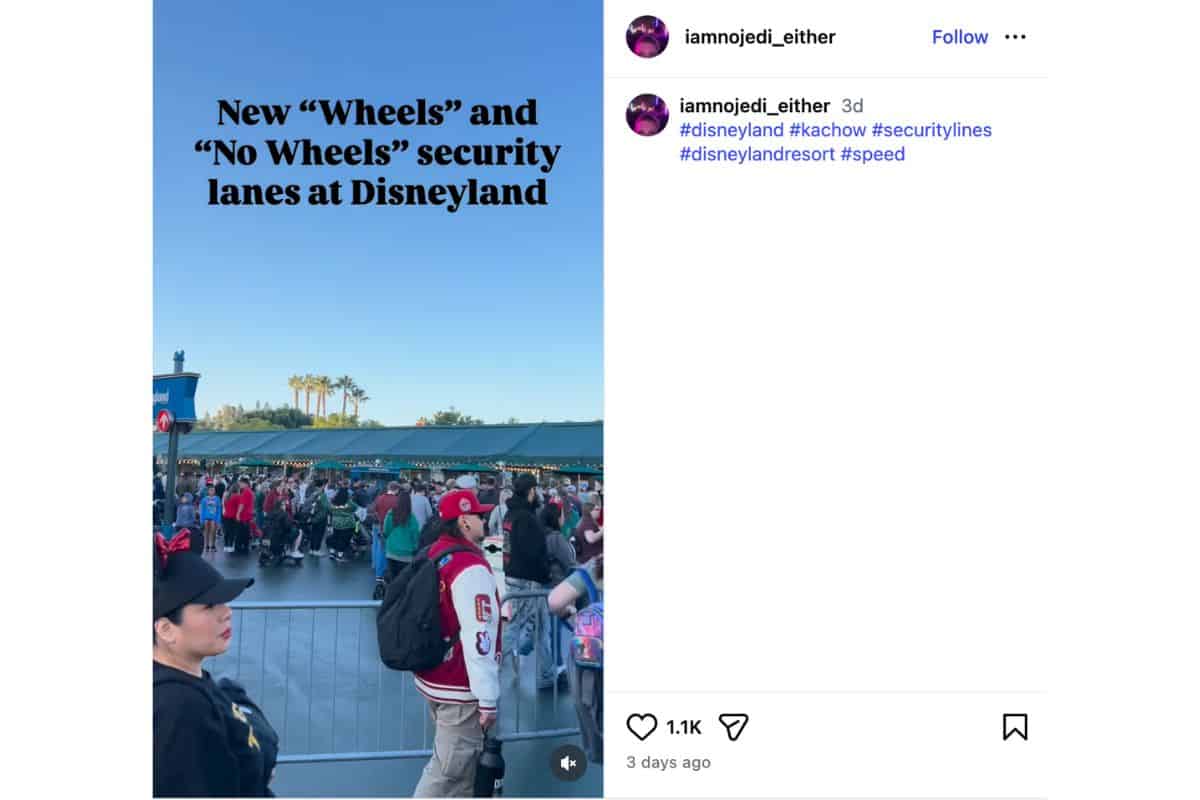
According to Mickey Visit, Disneyland Resort has begun testing a segregated screening approach that divides guests based on whether they’re bringing wheeled items into the parks. Under this experimental system, visitors with strollers or wheeled mobility devices proceed through designated “wheels” lines, while guests without such items use separate “no wheels” screening lanes.
The operational logic behind this division stems from screening requirements: wheeled items necessitate additional inspection procedures beyond standard metal detector screening. By creating dedicated lanes, Disney cast members can provide targeted instructions to guests with wheeled devices without causing confusion among those proceeding through the standard screening process.
While guests in the “wheels” category will still experience longer screening times due to the additional inspection requirements for their strollers or mobility devices, the separated queue system aims to accelerate the process for everyone by allowing more efficient flow management and clearer communication from security personnel.
Instagram user @iamnojedi_either captured video footage showing the new lane configuration in operation at Disneyland Resort, demonstrating how the separated screening areas function at park entry:
Comparing Disneyland and Walt Disney World Screening
The testing at Disneyland Resort highlights a difference in screening protocols between the two major U.S. Disney destinations. At Walt Disney World Resort in Florida, wheeled items typically pass through advanced metal detection systems without requiring separate manual inspection. Disneyland Resort’s current infrastructure, however, requires a hands-on examination of any strollers or wheeled mobility devices, creating the operational bottleneck that this new system aims to address.

Disneyland Resort has not issued public statements regarding this security screening pilot program, leaving unanswered questions about its permanence. The resort has not confirmed whether the “wheels” and “no wheels” system represents a temporary experiment or signals an upcoming permanent operational change across all park entrances.
Without official communication, the duration of this testing phase and the criteria Disney will use to evaluate its success remain unclear. Guest feedback, operational efficiency metrics, and security effectiveness will likely inform whether this separated screening approach becomes standard practice at Disneyland Resort.
What’s the longest security line you’ve waited in at Disneyland Resort or Walt Disney World Resort? Let Disney Dining know in the comments!