

For decades, a trip to a Disney park wasn’t just about the height of the roller coasters or the detail of the animatronics; it was about the Cast Members. It was the high-five from a Monorail attendant, the custodian who drew Mickey Mouse on the pavement with a broom and water, and the server who knew precisely how to handle a toddler’s mid-meal meltdown. This “Disney Magic” was the company’s ultimate competitive advantage.
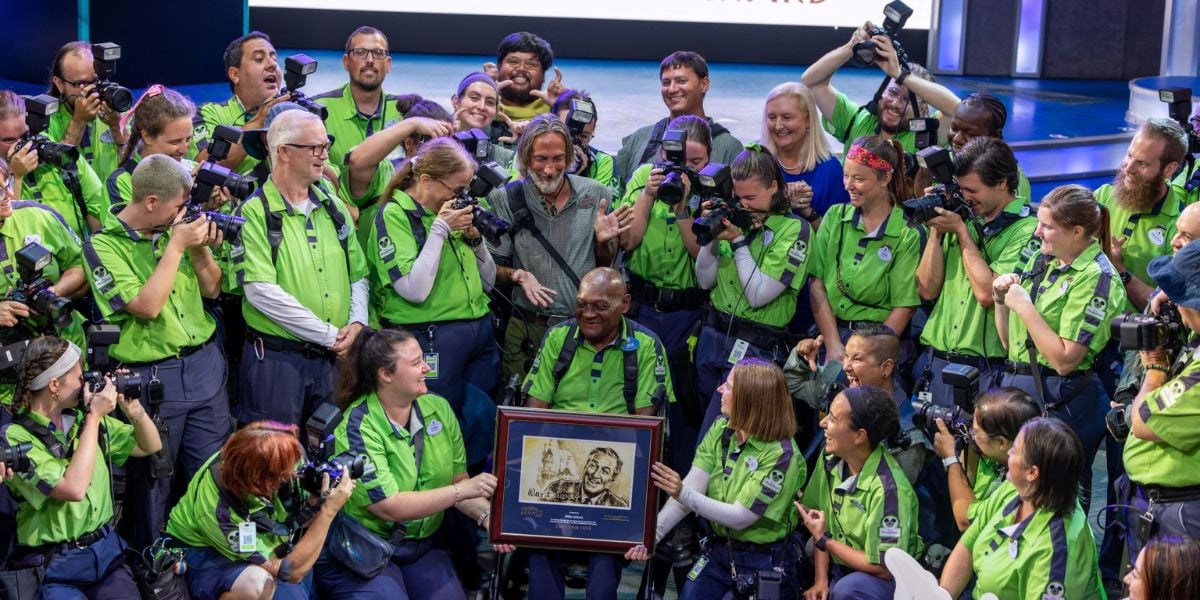
However, in the years following the 2021 reopening, a “friction” began to grow. Guests complained that the service felt transactional, the legendary warmth had cooled, and Cast Members seemed more like “app support” for Genie+ than purveyors of wonder.
Recognizing that the brand’s heart was at risk, Disney officially launched a massive “Hospitality Reset” on February 28, 2026. This isn’t just a memo; it is a comprehensive retraining of 80,000 employees. Here is how the House of Mouse is rebuilding its culture from the ground up to ensure your 2026 vacation feels like the ones you remember.
The “Training Debt”: Why the Magic Faded
To fix a problem, you have to admit there is one. Disney leadership recently acknowledged a startling reality: over 60% of current Cast Members were hired during the post-COVID staffing surge. Because the parks needed to reopen and scale up at an unprecedented speed, the traditional training pipeline—the gold standard of the service industry—was slashed.

The famous “Traditions” onboarding class, which used to be a multi-day immersion into Walt Disney’s philosophy, was moved to Zoom or condensed into a few hours of logistics. The result was a workforce that knew how to operate a ride or scan a MagicBand but didn’t necessarily understand the “why” behind the magic.
The 2026 initiative is designed to pay off this “training debt” by bringing every employee—new and old—back to school.
Phase 1: The Return of In-Person “Traditions”
The first pillar of the reset is the death of virtual training. Disney has officially mandated that all onboarding and culture-building workshops return to a physical, in-person format.

In these sessions, Cast Members are taken into the parks before the gates open. They aren’t looking at spreadsheets; they are hearing stories about the “Windows on Main Street” and learning how their specific role contributes to a larger narrative. By moving training back onto the “stage,” Disney is attempting to reignite the emotional pride that historically made a Disney job feel like a calling rather than just a shift.
Phase 2: “Step Into the Magic” – The Two-Day Deep Dive
Beyond the basics, Disney has expanded its secondary training program, “Step Into the Magic.” Previously a brief orientation, it has been transformed into a mandatory two-day hospitality intensive.

The focus here is on Role-Play and Recovery. Cast Members are put through high-stress scenarios:
- How to assist a guest who is frustrated with a ride closure.
- How to spot a “quiet” struggle, like a family overwhelmed by the heat or a child who has lost their favorite plush.
- How to interact with guests who may have sensory sensitivities or accessibility needs without making them feel “singled out.”
The goal is to shift staff from reactive (waiting for a guest to ask for help) to proactive (anticipating needs before they become problems).
Phase 3: Empowerment and the “Service Model”
Perhaps the most significant change in the 2026 policy is the emphasis on employee empowerment. For the last few years, many fans felt that Cast Members were “handcuffed” by rigid new rules and digital systems. If something went wrong, the standard answer was often, “Check the app” or “I need to call a lead.”
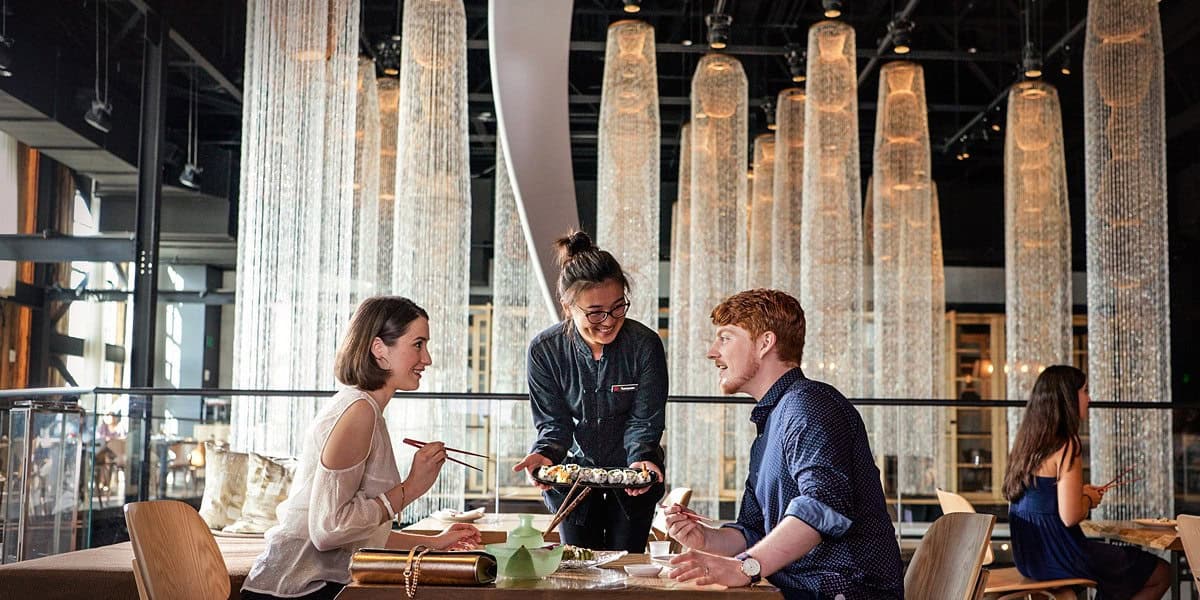
The new training gives Cast Members the “green light” to create Magical Moments on their own authority. Whether it’s providing a family a “recovery” pass for a delayed ride or replacing a dropped ice cream cone without a second thought, the “Hospitality Reset” encourages staff to solve problems in the moment.
Phase 4: Getting Leaders Back on the “Stage”
The retraining isn’t just for frontline workers; it starts with leadership. Disney has reintroduced a refreshed Leadership SERVICE Model. The goal is simple: get managers out of the back offices and onto the park floor.

Managers are being retrained to “coach in the moment.” Rather than sitting in a cubicle looking at labor costs, they are expected to be on the “stage” with their teams, modeling the high-level hospitality they expect. When a manager is seen picking up a piece of trash or greeting a guest with genuine enthusiasm, it sets a standard that trickles down to every intern and coordinator in the land.
The 2026 Goal: Restoring the Competitive Edge
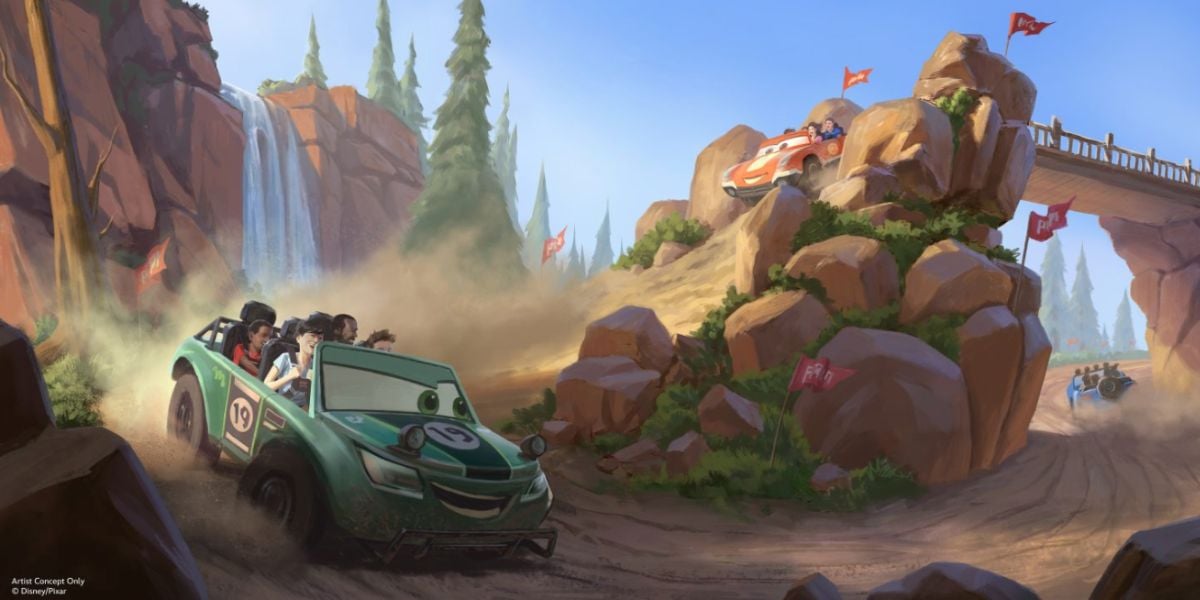
Why is Disney doing this now? The timing is no accident. With massive expansions like Villains Land and Piston Peak National Park on the horizon, and stiff competition from Universal’s Epic Universe, Disney knows that “good enough” service isn’t enough to justify their premium pricing.
By the time the 55th Anniversary celebrations begin in October 2026, Disney wants its workforce to be its greatest attraction once again. They are betting that even in a world of high-tech VR and 4K projections, the most memorable part of a vacation is still a genuine human connection.
Conclusion: What This Means for Your Next Trip
If the “Hospitality Reset” works, your next visit to Walt Disney World or Disneyland should feel a little less like a logistical challenge and a little more like a homecoming. You should see more eye contact, hear more personalized greetings, and experience fewer “I don’t know” answers.

Disney is betting $60 billion on physical expansions over the next decade, but this retraining proves they know that the real value of the company isn’t in the bricks and mortar—it’s in the people wearing the name tags.
Have you noticed a change in Disney’s service lately? Are you excited about a return to “old school” hospitality standards? Let us know in the comments!




That is very good news, and it’s about time. I do know Services Marketing and many things cannot be teach while on Zoom ! Now, if Disney could slow down on their woke agenda, for movies and attractions, everything will really go back to normal. Four days ago, indeed, disneydining.com published the article ” Disney Pixar Pulls Back ‘Woke’ Themes in New Film Before Release ” and I am glad that the mouse is starting to understand their guests again, and I mean, ALL their guests. Politics don’t fit with any business, period.
My wife and I vacationed for a week at Disney World during 2025 Mardi Gras, and we both noticed a definite drop in the magic with cast members. So glad to hear of this new training effort, and I am starting to think about our next trip in 2027.
Just got back from a 5 day trip. Everyone was so nice and friendly I was in shock and didn’t know what the change was due to. It was very obvious to me. My trips the last few years were filled with rude cast members or people who didn’t care. This time people were greeting me and smiling and going the extra mile. It was a drastic change. This explains why!
This is great news! We’re frequent visitors to Disney World, aiming to go about once a quarter. Over the past year, we’ve noticed that the service has declined and the vibe has started to feel more like a local amusement park than the Disney experience we’re used to. We were there for a brief stay in January before our cruise, and even the resort staff seemed unsure and disorganized. I’ve never seen anything like it at Disney World. Hearing this news is refreshing and encouraging.