5,000 Disney World Vacations Cut Following Latest Government Mandate
New Restrictions Now in Place for Air Travel

Disney World travel just took a turn for the worse.
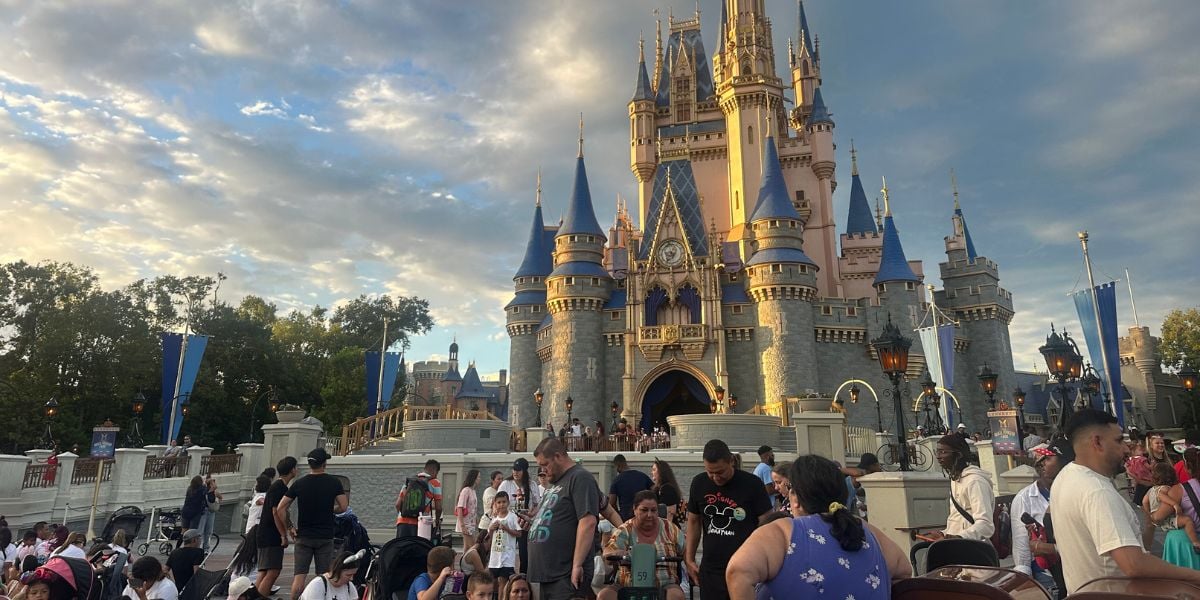
Disney World Travel To See Big, Bad Impacts Across the Country
Every year, millions of travelers pour into Central Florida with one dream in mind: sunshine, rides, resorts, and the world’s most-visited vacation destinations. But as federal aviation officials issue one of the most sweeping directives in recent memory, that dream is suddenly facing turbulence that has nothing to do with Florida weather.
This time, the threat isn’t a storm.
It’s the government shutdown, and the effects are about to reach the runway.
The question now haunting travelers is simple:
Will flying into Orlando soon become far more difficult than anyone expected?

Mounting Pressure Inside the Air Traffic System
Behind the scenes of the nation’s airports, something has been building for weeks. Air traffic controllers—many working without pay during the shutdown—have begun missing shifts, forcing remaining staff to take on longer, more demanding schedules. The FAA says voluntary safety reports reveal growing fatigue and stress, raising concerns about maintaining America’s standard for aviation safety.
FAA Administrator Bryan Bedford, who has spent 35 years in the industry, described the situation as unlike anything he has ever witnessed.
“We’re starting to see pressure build in ways we can’t allow to continue unchecked,” Bedford explained, warning that safety must remain the agency’s priority above all else.
And so, federal officials are taking an unprecedented step.

A Nationwide Reduction Begins Friday
Starting Friday, November 7, the FAA will enforce a 10% reduction in air traffic across 40 airports throughout the country.
The move is not optional. It is a mandated measure to slow operations and relieve immediate stress on the system.
This reduction will impact major flight corridors, regional routes, and several of the nation’s busiest travel hubs. Yet one location stands out among the list—not because it’s the busiest, but because of what it represents for American tourism:
Orlando.

Orlando and Tampa Airports Brace for Cuts
Both Orlando International Airport (MCO) and Tampa International Airport (TPA) are included in the FAA’s directive.
At MCO alone, a 10% reduction translates to around 100 fewer flights every single day.
Airport leaders stress that operations have remained mostly steady so far, crediting federal partners who continue reporting to work. But with the forced cuts now imminent, passengers are being urged to check directly with their airlines for accurate flight information.
MCO already experienced a ground delay last week due to staffing issues, suggesting cracks were forming even before the official reduction.

Airlines Prepare to Trim Schedules
United, Southwest, and American Airlines have issued internal guidance describing how they will implement schedule cuts. United CEO Scott Kirby promised employees that the airline will focus reductions on regional flights and non-hub routes first, in an effort to minimize disruption.
The airline also confirmed it will offer refunds to travelers uncomfortable flying during the reduction period—even if their flights are not canceled.
While long-haul and hub-to-hub flights remain mostly protected, aviation analytics firm Cirium estimates the nationwide reduction could impact as many as:
-
1,800 flights, and
-
Approximately 268,000 seats
This marks one of the most significant reductions of U.S. air capacity in years.

What This Means for Orlando Tourism
Central Florida’s tourism economy depends heavily on visitors who arrive by plane—families, international tourists, convention guests, and travelers heading to the region’s theme parks.
With fewer daily flights and fewer available seats, travelers could soon face:
-
Higher ticket prices
-
More limited flight schedules
-
Longer rebooking delays
-
Decreased flexibility for vacation planning
If the government shutdown continues, officials warn that even more restrictions could follow, based strictly on data from the air traffic system.
For Florida’s tourism industry—one of the largest in the world—the implications are significant. Not only could theme park traffic dip, but hotels, restaurants, transportation services, and the broader economy could feel the ripple effects.
Orlando’s theme parks have not commented, but a prolonged reduction in national air travel could eventually impact attendance, reservations, or park operations if visitor volume drops.

Disney World Travel: A System in Flux
While federal officials emphasize that America’s airspace remains safe, the reality is clear: the system is under pressure, and the shutdown is forcing the aviation industry to adapt in real time.
Whether this reduction becomes a short-term inconvenience or the first sign of more substantial travel disruption will depend entirely on how long the federal stalemate continues.
For now, travelers heading to Central Florida should stay informed, stay flexible, and prepare for the possibility of delays as the nation enters one of its most unpredictable periods of air travel in years.