For millions of families, a theme park vacation isn’t just a trip—it’s a milestone. It’s the countdown on the calendar, the late-night planning sessions, the excitement of stepping into a world that feels larger than life. Whether it’s walking down Main Street or racing toward a favorite ride, these experiences are often years in the making.
But lately, something subtle has begun shifting behind the scenes. Travelers are noticing small changes—flight options disappearing, prices creeping upward, and growing uncertainty around schedules that once felt dependable.
At first glance, it may seem like a typical fluctuation in the travel industry. Yet, as airlines begin quietly adjusting operations, a broader concern is beginning to take shape—one that could have ripple effects across the entire vacation landscape.
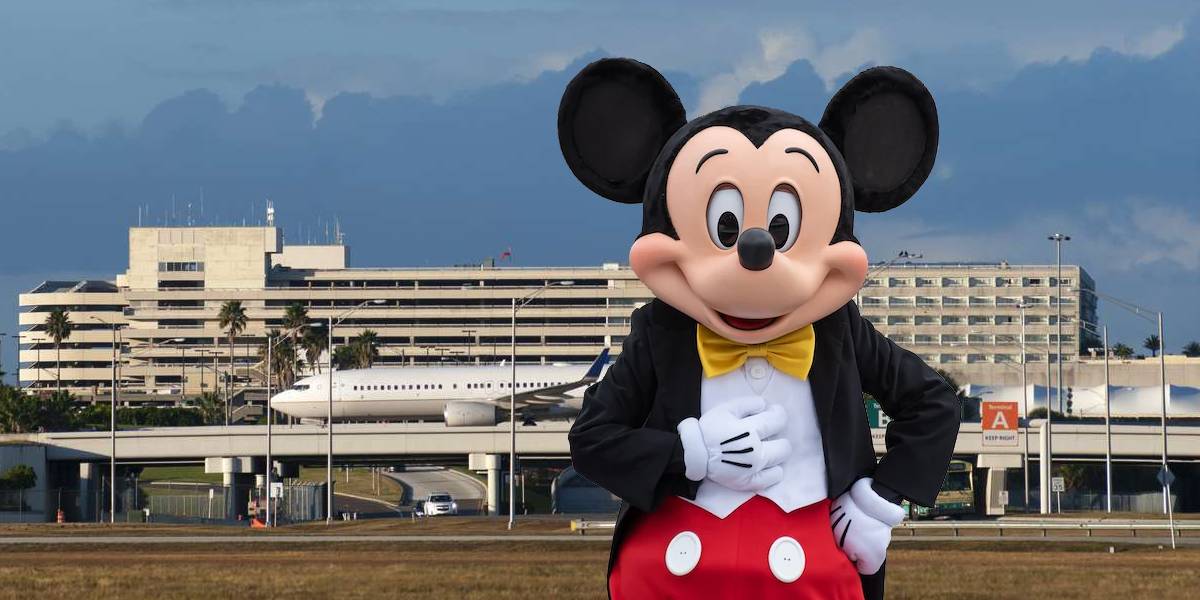
Airlines Are Already Scaling Back as Costs Surge
A surprising change is already underway. Major carriers like United Airlines have confirmed plans to reduce flight schedules in response to rapidly rising jet fuel costs. These cuts are expected to affect off-peak travel times, including midweek and overnight routes—options many budget-conscious travelers rely on.
The numbers behind this shift are staggering. Jet fuel prices have nearly doubled in just weeks, jumping from $2.50 per gallon to over $4.60. For airlines, this isn’t just a temporary spike—it’s a financial pressure point that could reshape how flights are scheduled and priced moving forward.
And it’s not just one airline feeling the strain. Delta Air Lines and American Airlines have also reported significant increases in fuel expenses, signaling a widespread industry challenge rather than an isolated issue.

Global Tensions Are Driving a Rapid Fuel Crisis
At the center of this disruption is a growing geopolitical conflict tied to the closure of the Strait of Hormuz, one of the world’s most critical oil shipping routes. As supply tightens, fuel prices have surged globally, leaving airlines scrambling to adjust.
This isn’t just about higher operational costs—it’s about uncertainty. Airlines are now planning for worst-case scenarios, including oil prices reaching $175 per barrel and staying elevated for years.
That level of instability introduces a new variable into travel planning—one that’s difficult for both airlines and guests to predict.

Guests Are Already Reacting to Subtle Travel Shifts
Fans are noticing the early signs. Flight availability is tightening, especially during less popular travel windows. At the same time, ticket prices are beginning to climb, and some routes are quietly disappearing altogether.
For travelers heading to destinations like Walt Disney World, Universal Orlando Resort, or Disneyland Resort, these changes could mean fewer options, higher costs, and more complex planning.
Even small disruptions can have a domino effect. A canceled red-eye flight or a missing midweek option could force guests to extend stays, shift park days, or pay significantly more for alternative routes.

Airport Conditions Are Improving—But Uncertainty Remains
At the same time, another layer of the travel experience is stabilizing. After weeks of disruption, security wait times at major hubs like Hartsfield-Jackson Atlanta International Airport and LaGuardia Airport have improved as TSA workers returned to full staffing.
Guests are already reacting positively to shorter lines, with some wait times dropping below five minutes.
However, experts warn that this improvement may not be consistent. Fluctuations in staffing and funding could still lead to unpredictable spikes in wait times, adding another layer of uncertainty to travel plans.

Theme Park Vacations Are Now on High Alert
All of this is beginning to point toward a larger reality: theme park vacations are entering a period of heightened risk.
With airlines cutting flights, raising fares, and preparing for prolonged fuel instability, the entire travel ecosystem is shifting. And because destinations like Disney and Universal rely heavily on air travel, they are especially vulnerable to these changes.
This is being seen by many as a mass warning—a signal that even the most carefully planned vacations could face unexpected challenges.

What This Could Mean for Guests Moving Forward
Looking ahead, travelers may need to adjust expectations. Booking earlier, remaining flexible with dates, and preparing for potential price increases could become essential strategies.
For now, the magic of a theme park vacation is still very much alive. But behind the scenes, the systems that make those trips possible are under pressure.
And as summer approaches, guests may find themselves navigating a travel landscape that feels a little less certain than it once did.