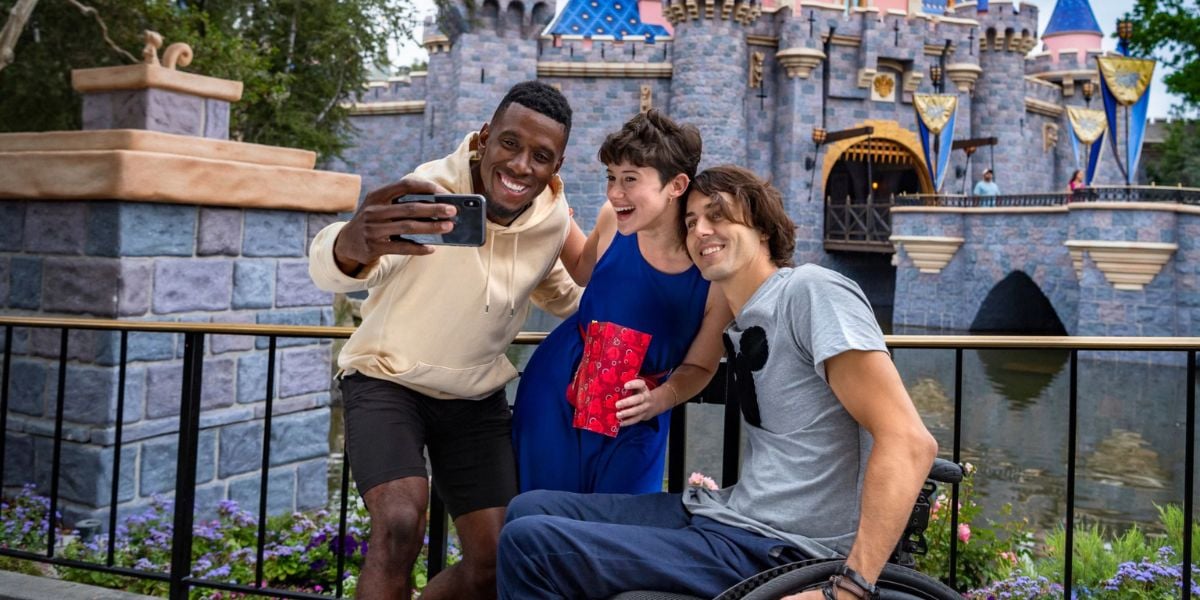
In the world of Disney theme parks, “magic” is often a matter of logistics. For guests with disabilities, that logistics-to-magic ratio is handled by a single, high-stakes system: the Disability Access Service (DAS). Since the controversial overhaul of the program in April 2024, the community has been in a state of quiet—and sometimes loud—rebellion.
As we move through January 2026, a flurry of activity on Disney’s official websites and in its shareholder documents suggests that a change is finally coming. But as the pixie dust settles, a frustrating reality is emerging. While Disney is getting better at its “language,” it remains stubbornly resistant to the sweeping policy changes that guests with “invisible” disabilities have been desperate for.
The “Re-Entry” Illusion: Old Rules, New Font
The most recent wave of confusion began when Disney updated its websites with prominent sections dedicated to “Attraction Queue Re-Entry.” At first glance, it looked like a new concession—a way for guests who can’t handle long waits to find a middle ground.

However, as BlogMickey pointed out, this isn’t a new policy at all. Disney has simply moved existing operational guidelines to the front of the “Accessibility” page. The policy allows a guest to leave a line (for a bathroom emergency or medical need) and then rejoin their party later in the queue.
For Disney’s PR team, this is a “clarification.” For the disabled community, it’s a distraction. Re-entry doesn’t address the core issue: many guests with disabilities—ranging from severe Crohn’s disease to POTS and chronic pain—cannot be in the high-stimulation, physically demanding environment of a 90-minute queue in the first place. Being told you can “leave and come back” assumes that navigating a crowded line twice is somehow easier than standing in it once. It’s an operational band-aid on a systemic wound.
The Shareholder Showdown: Investors vs. Inclusion
While park-goers refresh their apps for updates, the real battle is being fought in Burbank’s boardrooms. According to reports from Inside the Magic, Disney is currently engaged in a high-stakes game of corporate defense.

A group of shareholders recently submitted a proposal that would force Disney to re-evaluate the current DAS system. The goal was simple: make the program more inclusive for guests with non-developmental disabilities. However, Disney has officially urged its investors to vote against this proposal.
Disney’s argument is that the current system—which limits DAS almost exclusively to those with developmental disabilities like autism—is necessary to prevent “abuse.” Before the 2024 crackdown, Disney claimed that the number of DAS users had tripled, leading to bloated Lightning Lane wait times. But by prioritizing “efficiency” over “equity,” they have effectively locked out a massive demographic of loyal fans whose disabilities just don’t fit into the “developmental” box.
The “Invisible Disability” Gap
The frustration in 2026 stems from a perceived lack of empathy in the vetting process. Disney currently uses a third-party service to conduct video interviews with DAS applicants. The stories emerging from these calls are heartbreaking: veterans with PTSD being told to “wear noise-canceling headphones,” and individuals with multiple sclerosis being told to “rent a wheelchair” (despite mobility issues not being the reason they can’t wait in a stationary line).
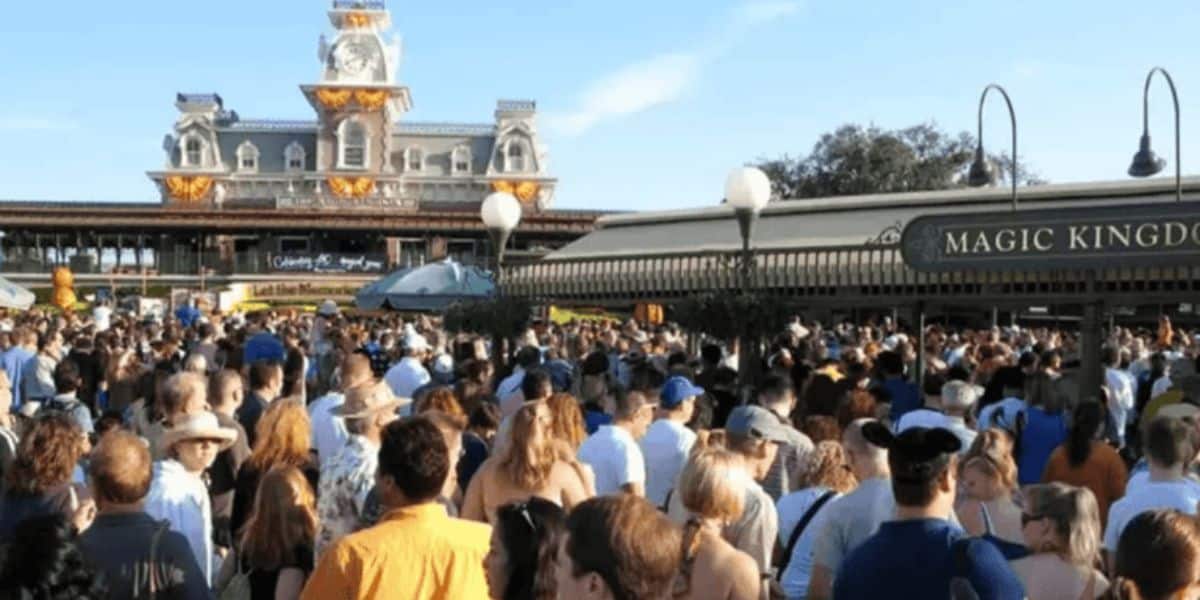
By shifting the language to focus on “Queue Re-Entry” and “Location Return Times,” Disney is attempting to pivot away from the DAS conversation. They want guests to believe that these “alternatives” are sufficient.
The reality of “alternatives”:
- Location Return Times: Requires the guest to walk to the ride, talk to a Cast Member, leave, and come back hours later. For those with limited stamina, this doubles the physical toll of the day.
- Lightning Lane Multi Pass: Disney’s paid “skip-the-line” service. Many guests feel that being forced to pay for an accommodation that was previously free is a “disability tax.”
Brand Erosion and the Bottom Line
Why is Disney fighting its own shareholders on this? From a cold, corporate perspective, the DAS overhaul was a success. It reduced the number of people in the “fast” lanes and likely pushed more people into buying Lightning Lanes.

But this is a short-term win with a long-term cost. Disney’s brand is built on being the “most inclusive place on earth.” Every viral story of a child with a rare autoimmune disease being denied a DAS pass chips away at that image. Moreover, thousands of “Disney Families”—those who spend $10,000 a year on Deluxe resorts and dining—are simply ending their visits. They are taking their “inclusive” vacation dollars to competitors like Universal or Royal Caribbean, who have handled accessibility with significantly less friction.
Conclusion: A Change in Tone, Not in Heart
As we look toward the 2026 shareholder meeting, the message from Disney is clear: they are willing to talk about accessibility, but they aren’t willing to change the rules. They will update the website, clarify the re-entry rules, and offer “tips” on heat management. But for the thousands of guests who need DAS to safely experience a theme park, the drawbridge remains raised.

Until Disney acknowledges that a “developmental disability” is not the only valid reason for an accommodation, the “language updates” will continue to feel like a mirage. The magic is still there, but for many, the gate to reach it is still locked.