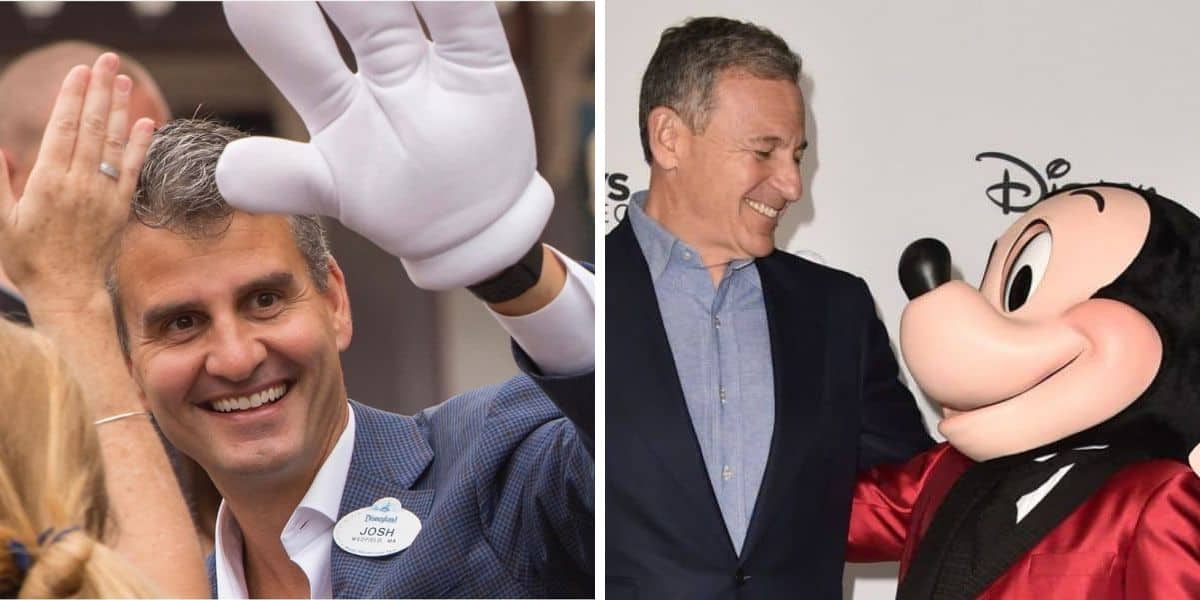
The crown has finally been passed. This week, The Walt Disney Company officially named Josh D’Amaro as its new CEO, bringing an end to the “Iger Era” and ushering in a period of high hopes and even higher stakes. While the corporate world is looking at D’Amaro to navigate the murky waters of streaming and linear TV, the millions of families who call the Disney Parks their “happy place” have a much more specific mandate for the new boss.

According to a poignant Los Angeles Times report, the consensus among the fan community is unanimous: Disney has a pricing problem. As D’Amaro settles into his office in Burbank, his most pressing challenge isn’t a box office slump—it’s the fact that a Disney vacation has shifted from an American rite of passage to a luxury exclusive.
The “People’s CEO” vs. The $200 Ticket
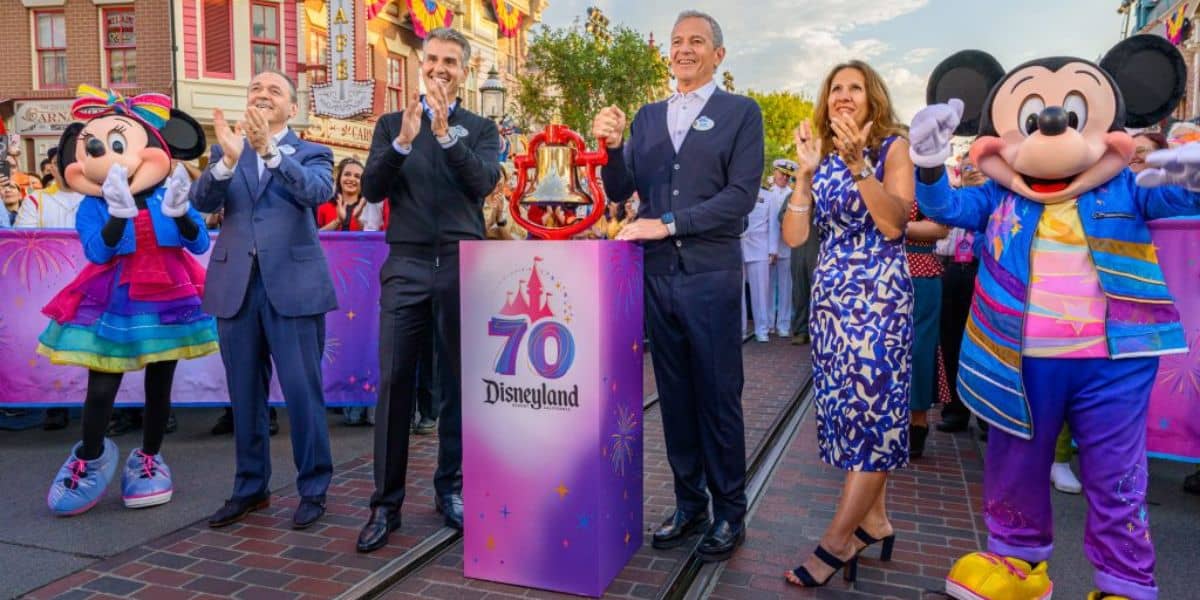
Josh D’Amaro is not your typical corporate suit. For years, he has been the face of Disney’s theme parks, often spotted walking Main Street, U.S.A. in sneakers, chatting with Cast Members, and taking selfies with guests. He is widely considered the most “approachable” executive in Disney history.

However, that approachable persona is currently clashing with the cold, complex reality of the 2026 Disney price sheet. As the LA Times highlighted, fans feel a sense of “betrayal” that the executive who seems to love the parks the most has presided over the era of their highest prices.
The 2026 Cost of Magic: By the Numbers
To understand why fans are demanding a “pricing pivot,” one only needs to look at the current cost of a trip to Disneyland or Walt Disney World:

- The Single-Day Ceiling: In early 2026, a “Tier 0” peak-day ticket for the Magic Kingdom or Disneyland officially breached $200. For a family of four, simply entering the park for one day now requires an $800 investment before a single snack is purchased.
- The Premier Pass Paradox: The newly launched Lightning Lane Premier Pass—which allows guests to skip lines without the stress of “booking windows”—can cost as much as $449 per person during peak periods. For a family of four, that is nearly $1,800 just to avoid standing in line.
- The “Churro Inflation” Index: A quick-service meal (burger, fries, and a drink) now averages $22 per person, while the iconic Mickey Pretzel has climbed to $8.25.
The Disconnect: Record Profits vs. Guest Alienation
The paradox of the D’Amaro era so far is that while fans are complaining about costs, the Disney Experiences division is more profitable than ever. In the most recent earnings report, the parks generated over $10 billion in revenue, primarily driven by “increased guest spending.”
This is the “Yield Management” strategy that Wall Street loves, but families loathe. By raising prices, Disney is making more money from fewer people. However, as the LA Times Essential California report notes, this strategy is reaching its breaking point. The “middle-class squeeze” is real, and the brand is dangerously close to alienating the very demographic that has sustained it for 70 years.
“The danger for D’Amaro is that Disney becomes a ‘once-in-a-lifetime’ trip rather than a ‘once-a-year’ tradition,” says theme park analyst Robert Niles. “If you lose the repeat visitor, you lose the soul of the park.”
D’Amaro’s First Task: Restoring the “Value Proposition”
Fans aren’t necessarily asking for 1990s prices; they are asking for value. The consensus among the community is that D’Amaro’s first 100 days should focus on three key “pricing fixes”:

1. Simplifying the “Digital Tax”
One of the loudest complaints involves the complexity of Lightning Lane Multi Pass. Guests feel they are being “nickeled and dimed” by a system that requires them to be on their phones all day just to ride three attractions. D’Amaro could win massive favor by rolling these costs back into the ticket price or offering “bundle” deals for families.
2. Bringing Back the “Perks” for Resort Guests
Part of the value of staying at a Disney-owned hotel used to be the perks—free airport transportation (Magical Express) and free “FastPass” access. Since these were stripped away, guests are paying more for the rooms but getting less for the experience. Restoring even one of these “legacy perks” would go a long way in healing the trust between the CEO and the fans.

3. Tiered Food Pricing
While high-end dining is expected to be expensive, the “Quick Service” prices have become a point of contention. D’Amaro has the power to introduce “Value Meal” options, ensuring that a family can eat lunch for under $60—a feat that is currently nearly impossible at the Magic Kingdom.
The $60 Billion Gamble
The backdrop to this pricing crisis is D’Amaro’s own $60 billion expansion plan. With Villains Land and Tropical Americas currently under construction, the temptation to raise prices even further to fund these massive projects will be immense.
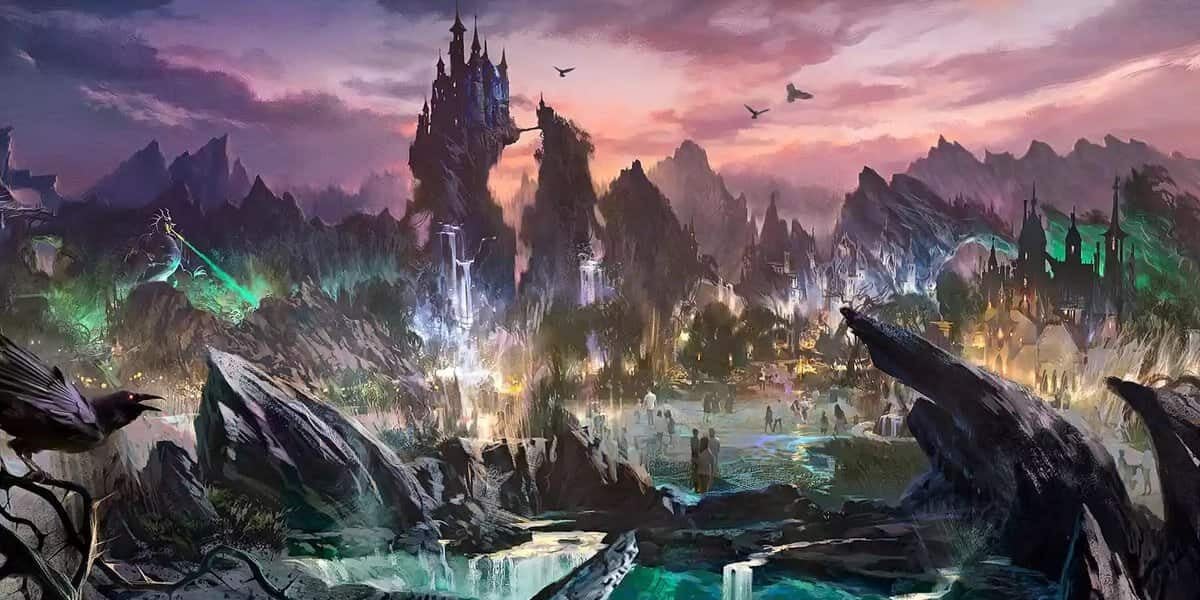
The “D’Amaro Legacy” will be defined by how he balances this expansion. If he builds the new lands and also lowers the barrier to entry, he will be remembered as the CEO who saved Disney. If the opening of Villains Land in 2027 comes with another 15% ticket hike, he risks being seen as just another corporate executive who prioritized the bottom line over the “Everyman” guest.
Conclusion: A Great Big Beautiful (and Affordable) Tomorrow?
Josh D’Amaro is the first Disney CEO who truly understands the “Parks DNA.” He knows that the parks aren’t just assets; they are cultural institutions. The LA Times report is a clear signal from the West Coast that the grace period is over.

If D’Amaro wants to preserve the “Magic,” he has to address the math. He has to prove that Disney is still a place for everyone, not just those who can afford a $449 Premier Pass. As he steps into his new role, the message from the fans is clear: We love the magic, Josh. We just can’t afford the tax anymore.
Do you think Josh D’Amaro will finally be the CEO to lower Disney prices, or is the $200 ticket the “new normal”?