Deal Reached After Long Standoff
Disney and YouTube TV have reached an agreement that ends the longest standoff in Disney’s history. After weeks of tension that left millions of subscribers without access to Disney-owned channels, the multi-year deal was finalized just in time for the weekend’s college football games. The return of these channels brings great relief to YouTube TV’s ten million users, who had been deprived of popular programming, including crucial sports content.
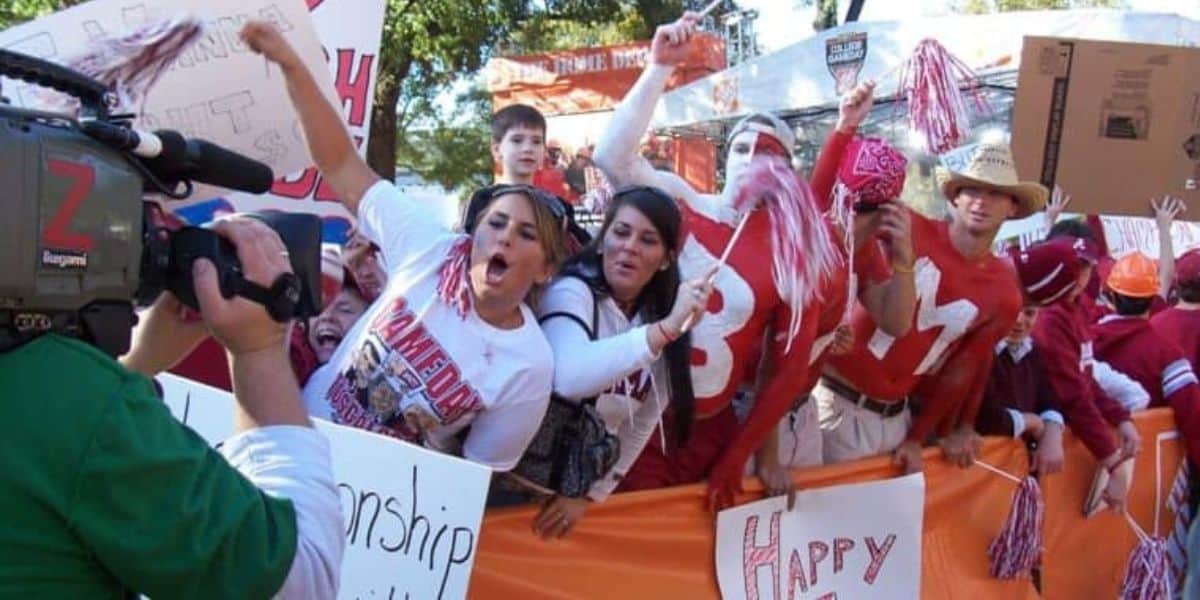
The terms of the agreement have not been widely disclosed, but reports indicate that YouTube TV will now allow subscribers to access Disney+ and Hulu content, right from the YouTube platform. This concession from Disney marks a shift in their previous stance, as they were initially resistant to sharing streaming access across competing platforms. With the college football season in full swing, the timing of this agreement underscores the importance of live sports in subscription services.
Historically, disputes of this nature are not uncommon in the streaming industry, as companies tussle over pricing and channel accessibility. However, the resolution of this standoff is particularly noteworthy considering the financial repercussions both Disney and YouTube faced during the blackout period.
Financial Implications for Disney
During the standoff, Disney reportedly lost approximately $30 million per week, a significant figure that underscored the stakes involved in the negotiations. As subscriber numbers appeared to dwindle, financial analysts speculated about the potential long-term impacts on Disney’s revenue stream.
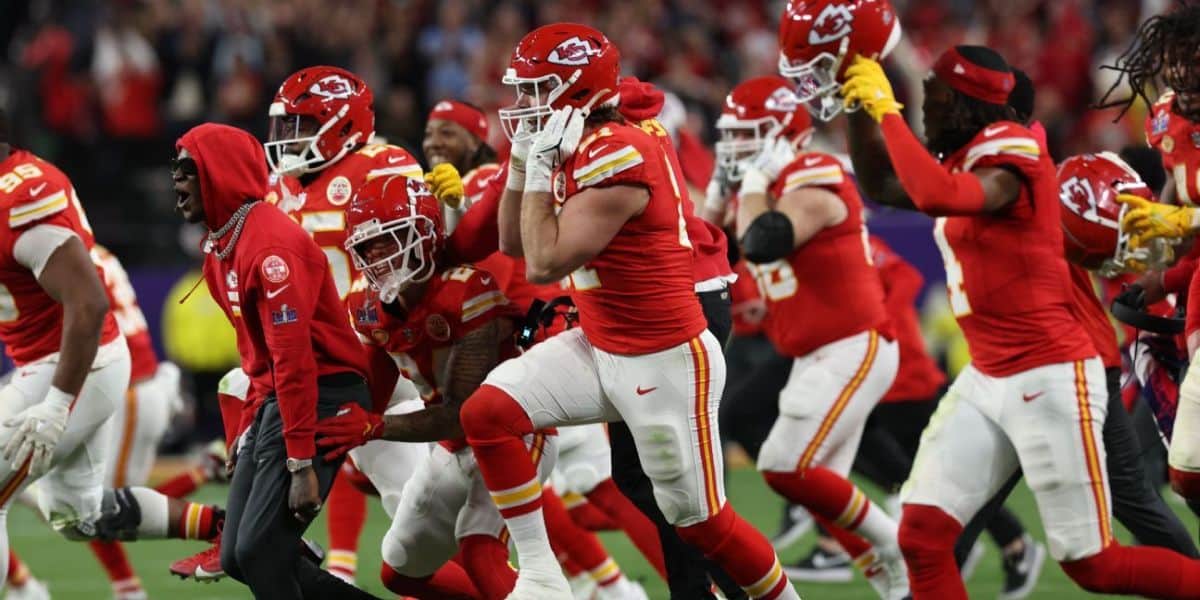
The stock market’s response to the standoff was swift, with Disney shares dropping by 7.8% following the release of financial earnings showing a 16% decline in linear network revenue year-over-year and a 21% fall in operating income. This drop in stock value reflects investor concerns about Disney’s performance amidst a rapidly evolving media landscape.
In comparison to past agreements, such as Disney’s arrangement with Charter Communications, this latest deal may offer a more transparent framework for future negotiations. Charter’s deal included free access to Disney+, Hulu, and ESPN+ with its own subscription, setting a precedent that Disney ultimately followed with YouTube TV.
YouTube TV User Experience Improvements
With the agreement now in place, YouTube TV subscribers can expect enhanced access to Disney-owned channels. The integration of Disney+ and Hulu content into the YouTube ecosystem marks a significant enhancement in user experience. Navigating between platforms has become seamless, offering subscribers greater flexibility and choice.

Feedback from fans has been overwhelmingly positive, as many eagerly anticipated the return of programming that encompasses everything from family-friendly shows to live sports. The relief was palpable among college football enthusiasts, who can now catch all the necessary action without further interruptions.
Additionally, changes in channel offerings have also been discussed, hinting at a broader selection of content available to subscribers. As viewers transition back to their beloved shows, this revitalized access is bound to enhance user satisfaction and engagement.
Broader Industry Impact
The resolution of this standoff may have far-reaching ripple effects throughout the streaming and broadcasting industry. As more companies begin to navigate similar negotiations, the dynamics of partnership agreements could shift. Industry experts speculate that the landscape may lean towards more collaborative approaches as players recognize the value of audience retention and satisfaction.

This agreement also sets a precedent for future negotiations regarding sports broadcasting, particularly within the fiercely competitive realm of streaming services. As live sports become increasingly vital for subscriber growth and retention, adjustments to how contracts are structured may become a common practice across networks.
Overall, the reinstatement of Disney-owned channels to YouTube TV marks a pivotal moment for both companies. It not only reflects the significant pressure both faced during the blackout but also sets the tone for future partnerships in an industry that is continually evolving to meet consumer demands.