

In the high-stakes world of corporate governance, the Disney 2026 Proxy Statement has officially become the latest battlefield for disability rights. While The Walt Disney Company continues to post impressive fiscal numbers, a growing rift is forming between the Board of Directors and a vocal group of shareholders concerned about the “Most Magical Place on Earth’s” accessibility standards.
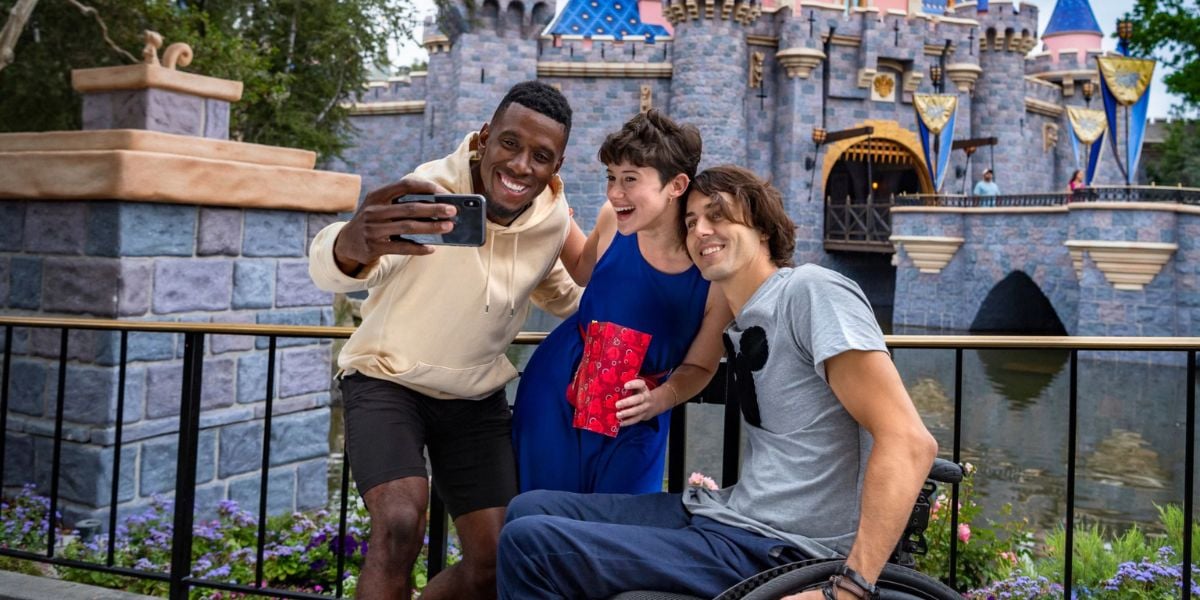
At the heart of the controversy is a formal recommendation from Disney leadership: Shareholders should vote AGAINST a proposal seeking transparency into the Disability Access Service (DAS).
This move signals the company’s definitive stance in defending its 2024 overhaul of the system—a shift that many advocates claim has left thousands of vulnerable guests behind. Here is why the Disney Board is digging in its heels and what it means for the future of park accessibility.
The Shareholder Demand: What the Proposal Asks For
The proposal, which will be voted on at the 2026 Annual Meeting of Shareholders, isn’t seeking a reversal of the current rules. Instead, it is asking for information. Specifically, it requests that the Board oversee the creation of a “DAS Impact Report.”
This report would require Disney to disclose:
- The number of guests denied DAS since the April 2024 policy changes.
- The criteria used by third-party medical consultants to determine eligibility.
- An assessment of how “alternative accommodations”—like the often-criticized “Return to Queue” feature—are actually working for guests with chronic illnesses.
Shareholders argue that the lack of transparency is a “reputational risk.” If the public perceives Disney as hostile toward the disabled community, it could lead to long-term brand erosion and a shift in guest loyalty to competitors like Universal Orlando.
Disney’s Rebuttal: Efficiency Over Extra Reports
Disney’s response to the proposal was blunt. The Board of Directors officially recommends a “No” vote, characterizing the requested report as redundant and burdensome. According to the proxy filing, Disney maintains that its current approach is both legally sound and operationally necessary.

1. Protecting the “Integrity” of the Parks
Disney’s primary defense is that the DAS system was being “taxed” to the breaking point. Before the 2024 changes, the number of guests using the service had tripled in just five years. Disney leadership argues that this growth was primarily driven by fraud and “system gaming,” which inflated wait times for everyone. By narrowing the scope of DAS to benefit mainly those with developmental disabilities, like autism, Disney claims it has restored balance to the Lightning Lane system.
2. The Medical Consultant Defense
Disney also pointed out that its eligibility decisions are not made by “uninformed Cast Members,” but by health professionals through a partnership with Inspire Health Alliance. The Board argues that because medical experts are already involved in the vetting process, an additional corporate report would not provide any more “meaningful insight” than what the company already possesses.

3. Redundancy and Cost
Finally, the Board argues that they already have “robust” feedback loops, including guest surveys and legal compliance reviews. From their perspective, a shareholder-mandated report is an unnecessary expense that would divert resources away from park improvements and shareholder dividends.
The Invisible Disability Crisis: Why This Matters
The reason shareholders are pushing so hard for this report is rooted in the “Switcheroo” that occurred in early 2024. For years, DAS was a lifeline for guests with invisible disabilities—Crohn’s disease, POTS, multiple sclerosis, and PTSD. These conditions don’t always require a wheelchair, but they make standing in a 90-minute line in the Florida heat medically impossible.

Under the new rules, Disney effectively moved toward a “one-size-fits-all” solution for these guests: Return to Queue. This allows a guest to leave a line and return later. Still, it requires them to navigate through a crowded standby queue twice—a task that many with anxiety or mobility-limiting chronic pain find impossible.
Shareholders are worried that by excluding these groups, Disney is opening itself up to a wave of Americans with Disabilities Act (ADA) lawsuits. A report would shed light on whether these “alternatives” are truly compliant or merely a way to push guests toward purchasing the Lightning Lane Multi Pass.
The Business of Inclusion
From a cold, financial perspective, some investors see the tightening of DAS as a win for the bottom line. By reducing the number of guests who can skip the standby line for free, Disney creates more demand for their paid skip-the-line products.

However, the counterargument is that Disney’s brand is built on Universal Design—the idea that a vacation should be accessible to everyone without effort. If the Board continues to block transparency, they may find that the “Magic” is becoming a premium product reserved only for those who are either non-disabled or “disabled enough” by Disney’s specific definitions.
What Happens Next?
The vote on this proposal will serve as a major litmus test for Disney’s 2026 trajectory. If a significant percentage of shareholders side with the proposal, it could force the Board to reconsider its secretive approach to accessibility data.
For now, the message from the Board is clear: The current DAS system is here to stay, and the internal data will remain internal.
As we approach the Annual Meeting, all eyes are on the institutional investors. Will they prioritize the immediate operational efficiency Disney promises, or will they demand the transparency required to protect the company’s long-term reputation as a leader in accessibility?




I have a DAS member since its inceptions. I Have PTSD and amd legally blind, in dark spaces, like the queue I am totally blind. This makes it impossible to know when to move forward, stand still or move ahead, It is a choose and hope situation. The entire problems is MONEY, Disney wants us to pay for Fast Pass, More money in their pockets. I am an annual pass holder, have been for 10 years now. Along with my entire family. We have reservations to Universal W Studios, and are seriously considering moving from Disney to Universal. We have visited Disney World over 90 times and are very upset at these developments. So I will definitely be voting iatthis years meeting.