Disney’s Captain Durag character has ignited another firestorm around the company’s diversity initiatives, dividing audiences over whether the Black superhero represents positive representation or offensive stereotyping.
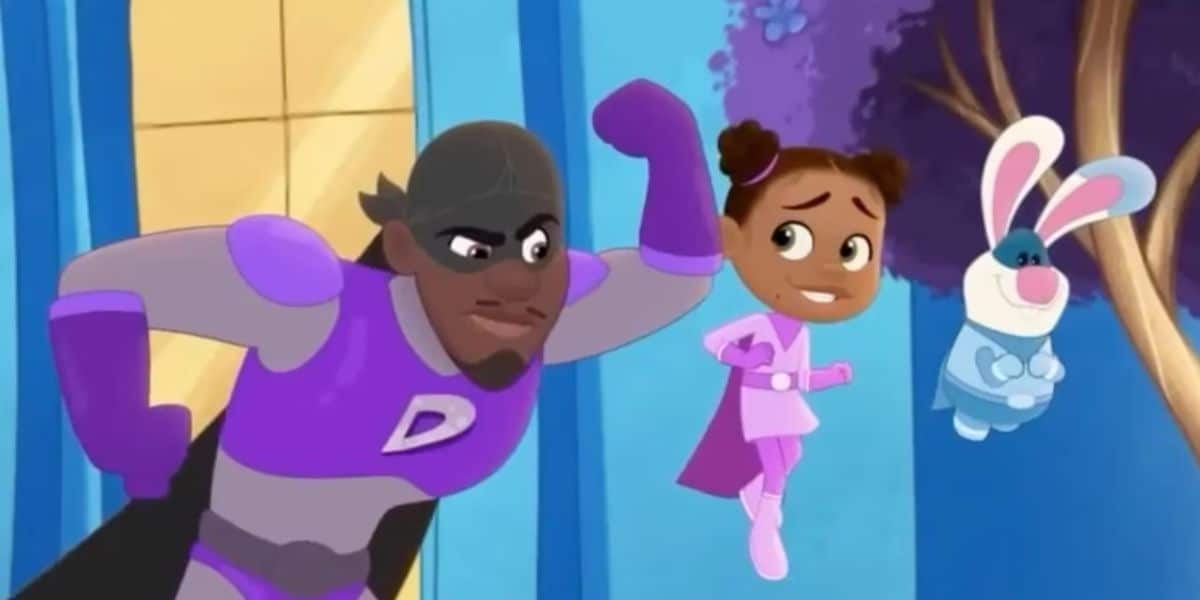
The character debuted January 15, 2026, on Disney Junior’s Hey AJ!, featuring a Black superhero whose durag functions as both his cape and mask while he battles “grime” in Slime City per The New York Post.
Disney has spent decades as the dominant force in family entertainment, creating content consumed by millions of children worldwide. The company’s creative choices about character representation carry enormous cultural weight, shaping how young audiences understand identity and diversity.
Recent years have intensified scrutiny of Disney’s representation efforts as the company modernizes classic properties while introducing new characters reflecting contemporary demographics. These attempts regularly generate backlash from audiences with conflicting expectations about appropriate representation.
The 2023 Little Mermaid remake casting Halle Bailey, a Black actress, as Ariel sparked massive controversy including racist backlash alongside celebrations of expanded representation. Critics questioned whether Black actresses should portray characters traditionally depicted with pale skin, while supporters argued fictional mermaids can be any race.
Rachel Zegler’s Snow White casting generated similar tensions. The Hispanic actress portraying a character named for pale skin drew criticism, which intensified when Zegler publicly criticized the 1937 original’s dated portrayal of women.
Conservative organizations have accused Disney of prioritizing “woke” political agendas over business fundamentals. America First Legal claimed in March 2024 that Disney’s market capitalization fell nearly 40 percent between February 2021 and early 2024, attributing the decline to programming featuring “anti-police and anti-white content.”
Captain Durag represents the latest flashpoint in ongoing debates about how entertainment companies should approach diversity in children’s programming.
Character Design Draws Immediate Criticism
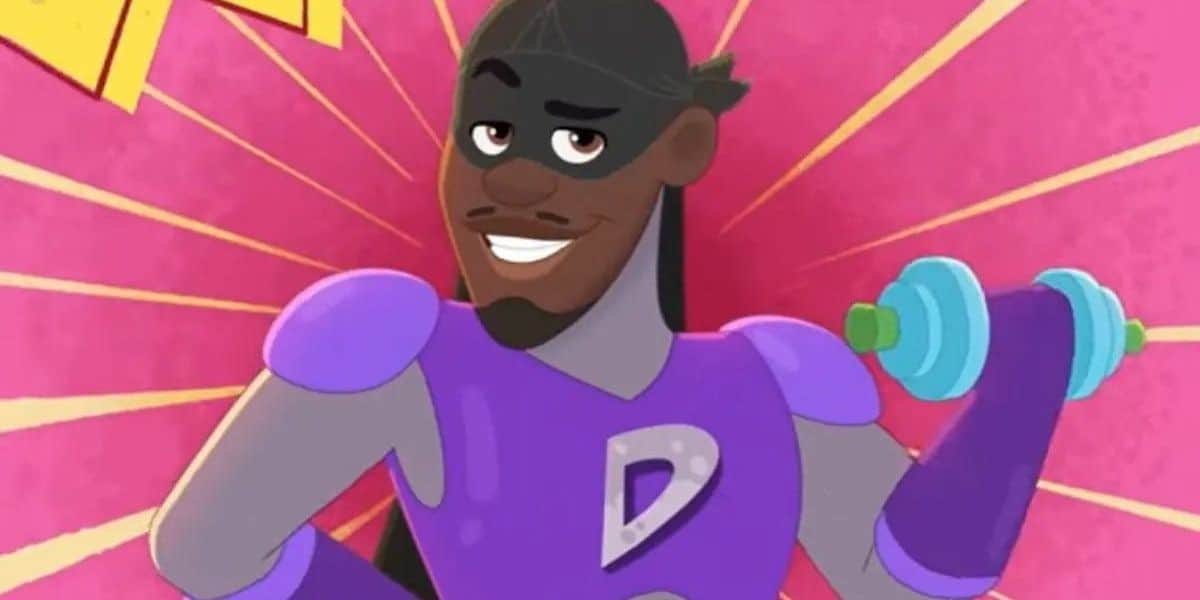
Captain Durag appears on Hey AJ! wearing a durag that serves as his superhero cape and face mask. His eyes peek through the fabric, which is primarily associated with Black communities.
The character fights “grime” in Slime City within the show’s narrative universe. Disney Junior targets preschool audiences, positioning Captain Durag as representation for young Black viewers.
Social media reaction erupted immediately after the character’s debut.
“They made a ‘Captain Durag’ in 2026 what the f**k Disney,” one viewer wrote on X, expressing shock the character cleared Disney’s approval processes.
“The concept of Captain Durag is wildly tone deaf,” another critic stated, suggesting the character reduces Black identity to superficial cultural markers.
“I thought captain durag was a made up internet hoax but nope lmao disney really came up with that for black history month,” someone wrote, noting the January debut timing near Black History Month potentially worsened perception.
“Everyone already said everything to be said but Captain Durag is an abomination,” another commenter stated. The critic noted the character’s creator is a Black woman and expressed hope that “black parents use their voice to get this sh*t removed.”
The backlash centered on whether the character represents meaningful representation or reduces Black culture to costume elements without substance.
Creator Defends Work as Authentic Cultural Expression
Camille Corbett, the 28-year-old Jamaican-American artist, writer, and comedian who created Captain Durag, defended her work against mounting criticism.
“Watch the show,” Corbett told The Post. “As a scholar, I’d never speak on anything I’ve never experienced.”
Corbett elaborated in a February 16 social media post directly addressing the controversy.
“I created the character Durag Man, now known as Captain Durag on the Disney Show, Hey AJ and I’m just finding out people are finding it problematic? I just wanted our culture to have a superhero of its own!” she wrote on X.
Her defense emphasized intention to create positive representation rather than stereotyping.
Martellus Bennett, the former NFL star who created Hey AJ!, shared a detailed Instagram statement supporting the character. Bennett, 38, explained Captain Durag represents “a reflection of black life” rather than offensive caricature.
“If that offends you, maybe the problem isn’t the durag. Maybe the problem is that you’ve never seen black imagination treated as sacred, heroic and worthy of a cape,” Bennett wrote.
USA Today reported that Disney worked with The League, a cultural consultant group, throughout production. This suggests Disney attempted ensuring appropriate cultural representation through expert guidance.
Disney and The League did not immediately respond to requests for comment about the controversy.
Pattern of Polarizing Diversity Initiatives
Captain Durag joins a growing list of Disney diversity efforts generating divided responses from audiences.
The Little Mermaid remake became a major cultural battleground when Disney cast Halle Bailey as Ariel. The decision to cast a Black actress in a role traditionally portrayed with pale skin and red hair sparked racist online campaigns.
Supporters celebrated the casting as expanding representation for Black children rarely seeing themselves as Disney princesses. They argued a fictional mermaid’s race matters less than performance quality and universal character themes.
The controversy extended beyond casting announcements into marketing campaigns and box office analysis examining whether audience resistance affected commercial performance.
Rachel Zegler’s Snow White casting sparked parallel controversies. Critics questioned whether a Hispanic actress should portray a character whose name specifically references pale skin.
Zegler’s public comments about the 1937 original being dated in female character portrayal further inflamed tensions. Critics accused her of disrespecting Disney legacy while defenders argued honest assessment of problematic historical elements doesn’t constitute attacking beloved films.
The Snow White remake faced additional criticism for replacing the seven dwarfs with CGI creatures rather than casting actors with dwarfism. Disney’s decision attempted avoiding debates about whether dwarf roles perpetuate stereotypes or provide employment opportunities.
Disability advocates argued the CGI choice eliminated representation opportunities for actors with dwarfism who face limited Hollywood roles.
Earlier Controversies Across Disney Properties
A 2021 Muppet Babies episode featured Gonzo wanting to wear a dress to a party. The storyline generated criticism from audiences viewing it as inappropriate gender identity content for preschool programming.
Disney’s inclusion reflected commitments to LGBTQ representation. Critics argued such content exceeded age-appropriate material for the target demographic.
Marvel’s 2023 Ant-Man and the Wasp: Quantumania faced criticism for depicting police firing tear gas at peaceful protesters. Some viewers interpreted the scene as anti-police messaging inappropriate for family entertainment.
The scene’s inclusion reflected Marvel’s tendency toward socially relevant storytelling. Critics argued superhero films should avoid politically charged imagery.
Financial Performance Meets Cultural Criticism
America First Legal accused Disney in March 2024 of damaging shareholder value through “woke” agendas prioritizing diversity over entertainment quality and commercial success.
The conservative non-profit claimed Disney’s market capitalization fell nearly 40 percent from $341 billion in February 2021 to $207 billion by early 2024. AFL attributed the decline to programming featuring “anti-police and anti-white content” allegedly alienating traditional audiences.
The criticism connects diversity initiatives to measurable business outcomes, arguing creative choices carry economic consequences when audiences reject perceived political messaging over storytelling quality.
Disney defenders counter that multiple factors including streaming losses, pandemic theme park impacts, and broader industry challenges contributed to market cap declines rather than diversity initiatives alone.
The financial performance debate illustrates how representation controversies extend beyond creative discussions into shareholder value arguments.
Impact on Disney Parks and Family Vacations
Disney’s diversity controversies don’t directly affect Walt Disney World or Disneyland operations in immediate tangible ways. Attractions, character experiences, and park entertainment continue operating normally regardless of programming debates.
However, broader brand perception issues could influence vacation planning decisions for families aligned with either supporting or opposing Disney’s representation approaches.
Families celebrating expanded representation might feel increased brand loyalty, prioritizing Disney vacations over competing options. Their spending supports companies committed to diversity.
Conversely, families viewing Disney’s initiatives as inappropriate political messaging might reduce vacation spending or choose alternative destinations.
The sustained media coverage keeps Disney in public discourse, potentially affecting brand perception among families making decisions influenced by cultural values and entertainment philosophy preferences.
Theme park attendance data and merchandise sales provide measurable indicators of whether controversies affect core business operations or remain confined to online discourse without translating to reduced consumer spending.
Disney parks themselves have faced representation questions regarding character meet-and-greets, attraction content, and whether experiences adequately reflect diverse guest populations.
The company has introduced diverse princess characters, modified attraction content addressing racial stereotypes, and expanded character representation at parks responding to evolving inclusion expectations.
Navigating Impossible Cultural Divisions
Disney faces an impossible situation where any representation choice generates backlash from audiences who think they went too far or not far enough.
Creating a Black superhero wearing a durag was guaranteed to spark criticism regardless of the creator being a Black woman working with cultural consultants. Some viewers see positive representation while others perceive reduction of culture to costume elements.
Whether Disney’s diversity approaches seem appropriate or misguided depends on personal values about representation in children’s media. These controversies show no signs of resolution given polarized audiences regarding culture, identity, and whose stories deserve mainstream entertainment platforms.
The demographic reality facing Disney suggests diverse audiences represent the company’s future customer base. This reality likely ensures continued representation efforts regardless of online criticism volume.
Disney will continue attempting to balance representation goals against commercial considerations and audience expectations. The company’s size and cultural influence mean creative decisions will continue generating intense scrutiny and debate.
For families planning Disney vacations, these issues matter only to the extent that representation philosophies influence spending decisions. Consumer choices do signal values to companies, though Disney’s strategic direction appears set toward continued diversity initiatives based on long-term demographic projections rather than short-term controversy responses.
The Captain Durag debate illustrates ongoing tensions about appropriate representation approaches in children’s media. These tensions reflect broader cultural divisions unlikely to resolve through compromise given fundamentally different perspectives on what constitutes positive representation versus offensive stereotyping.
Disney’s massive cultural footprint ensures these debates will continue with each new creative choice involving representation, casting, and character design across films, television, and theme park experiences reaching global audiences.
The company’s approach to handling ongoing criticism while pursuing representation goals will define its relationship with diverse audience segments holding conflicting expectations about appropriate children’s entertainment in an increasingly polarized cultural landscape where every creative decision becomes a statement about values and priorities extending far beyond simple storytelling choices.