For a while there, it looked like the “Magic” was going to be buried under a mountain of litigation and political posturing. The war between the State of Florida and The Walt Disney Company over the Central Florida Tourism Oversight District (CFTOD)—formerly known as Reedy Creek—was the most expensive and exhausting game of “chicken” in theme park history.

But as we settle into 2026, a strange thing has happened. The shouting has stopped. The lawsuits have vanished. And more importantly, the “hostile” board appointed to rein in Disney is currently moving through construction permits with a speed that would make an Imagineer weep with joy.
According to recent analysis of district meetings and filings, the CFTOD has transitioned from a political watchdog to a high-speed “rubber stamp” for Disney’s $17 billion decade of development. The war is over, the “peace treaty” is signed, and for the first time in years, it’s officially business as usual in Lake Buena Vista.
From “Hostile Takeover” to “High-Speed Approvals”
In 2023, every CFTOD board meeting was a media event. There were threats of state-run prisons, discussions about taxing Disney into oblivion, and a general air of “how can we make this difficult?” Today, those meetings are remarkably boring—which is precisely how Disney likes them.

The turning point was the landmark 15-year development agreement approved in 2024. This wasn’t just a truce; it was a roadmap. Disney committed to spending billions on infrastructure and expansion, and in return, the district promised a stable regulatory environment.
As reported by BlogMickey, the district is no longer scrutinizing every individual aesthetic choice or attempting to block land-use requests. Instead, they are operating as a streamlined administrative body, clearing the way for the massive “Turbocharge” era.
The $17 Billion “Green Light”
Why the sudden change of heart? It all comes down to the numbers. Disney is the largest single-site employer and taxpayer in the state of Florida. When the dust settled, both sides realized that a stagnant Disney World was a losing proposition for everyone.

The current board is facilitating the resort’s most ambitious expansion in its history. These aren’t just minor updates; these are the types of projects that require massive cooperation between a private company and a local government:
- Piston Peak: The transformation of Frontierland requires draining the Rivers of America and creating new “land bridges.” This involves complex water management and environmental permits—all of which are being cleared by the CFTOD with minimal friction.
- Beyond Big Thunder: The massive expansion behind the Magic Kingdom is a logistical nightmare that requires new utility corridors and road access. The district is currently “rubber-stamping” the foundational work needed to make this happen.
- Animal Kingdom’s Tropical Americas: Converting DinoLand U.S.A. into a world of Indiana Jones and Encanto requires a total overhaul of the park’s infrastructure, which the district is approving on an accelerated timeline.
Why the “Rubber Stamp” is Actually a Good Thing
While “rubber-stamping” often has a negative connotation, in the context of infrastructure and theme park development, it represents efficiency. When the board was in “war mode,” the uncertainty was stifling. Disney’s board of directors in Burbank was hesitant to greenlight billion-dollar projects when they didn’t know if the local oversight district would try to block them at the last second.

By returning to a predictable, streamlined approval process, the CFTOD has given Disney the confidence to move forward with:
- Massive Capacity Increases: The goal of the $17 billion investment is to increase the number of “ride seats” across all four parks, helping alleviate the crowds that have plagued the resort.
- Infrastructure Longevity: The district is approving long-overdue road repairs and power grid upgrades that will benefit the entire Central Florida region, not just the theme parks.
- Modernization: From new monorail parts to updated waste-management systems, the “un-sexy” side of the park is finally getting the attention it needs.
The “Reedy Creek” Spirit in a New Uniform
In many ways, the CFTOD of 2026 feels remarkably similar to the old Reedy Creek Improvement District. The names have changed, and the people sitting in the chairs are appointed by the Governor rather than chosen by Disney, but the function is the same.

The district has realized that its best path forward is to be a partner rather than a punisher. If Disney builds a “Villains Land,” the district’s property values and tax revenues soar. If the district makes it difficult to build on that land, everyone loses. The political theatre of 2023 was a distraction from the fundamental reality: Disney World is the economic engine of Florida, and you don’t throw sand in the gears of an engine that’s paying for your schools and roads.
What This Means for Your Future Vacation
For fans, the “Great Reset” of the oversight district means that the “Blue Sky” promises made at D23 are finally becoming “Actual Construction” realities.
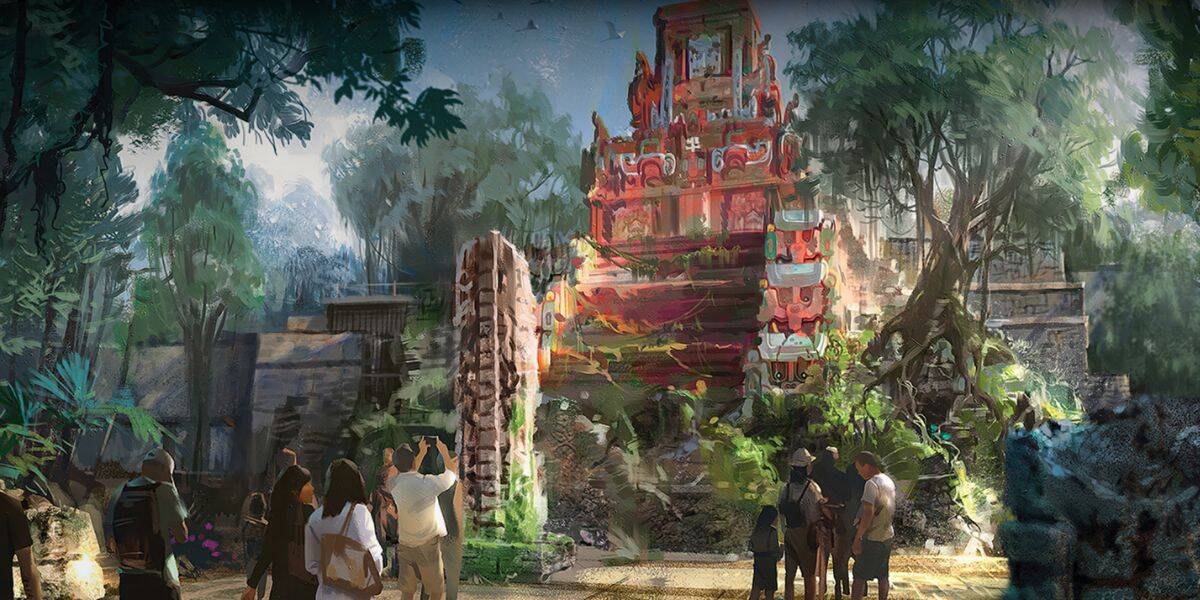
When you see the green walls going up in Frontierland or the cranes looming over Animal Kingdom, know that those projects were made possible because the bureaucracy finally got out of the way. The CFTOD’s willingness to return to “business as usual” means the 2030 version of Disney World will actually be built on time.
The war is over. The permits are flowing. And the rubber stamp is back in action.
Are you happy to see the Oversight District cooperating with Disney again, or do you think they should be tougher on the “Corporate Kingdom”? Let us know your thoughts in the comments!