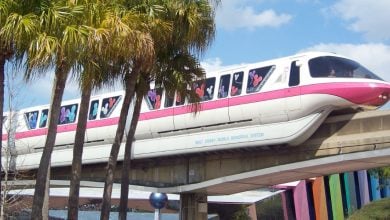
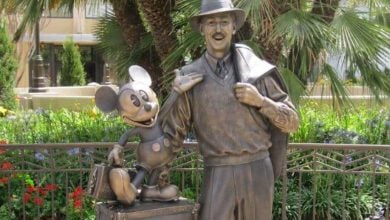
In the spring of 2026, the headlines across the financial world tell a story of profound irony. While the global economy shudders under the weight of persistent inflation, volatile markets, and the destabilizing shadow of the Iran-West conflict, The Walt Disney Company’s “Experiences” arm is reporting record-shattering numbers.
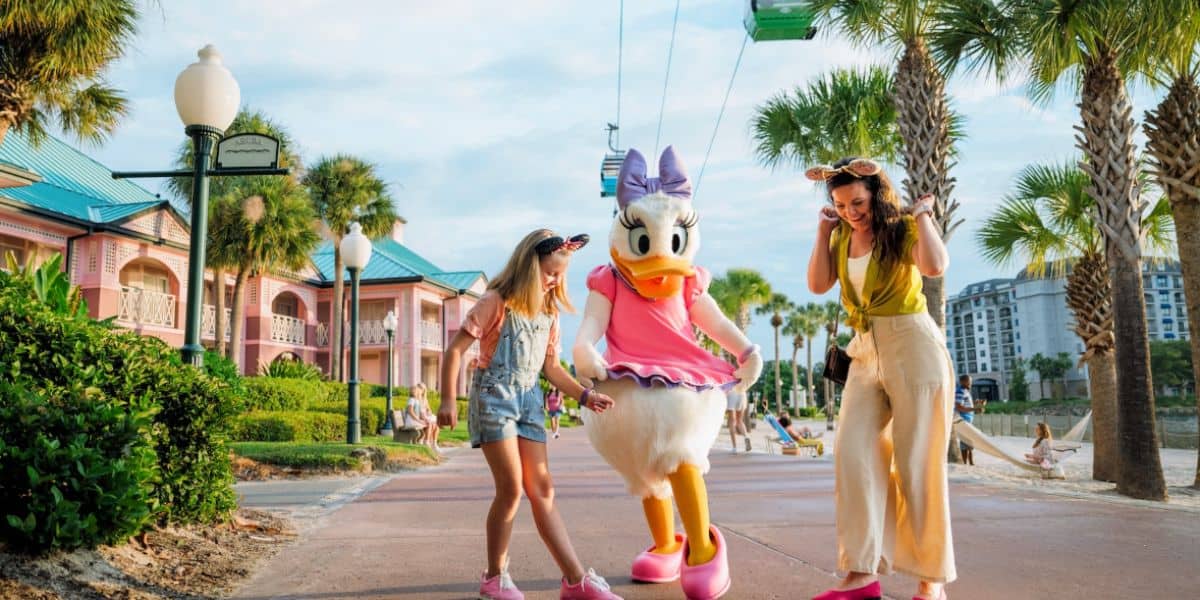
According to a recent Business Insider analysis, Disney is not just surviving the current economic downturn—it is thriving. But the “Magic” isn’t being distributed equally. By pivoting away from the traditional middle-class family and doubling down on “high-yield” luxury guests, Disney has effectively made its theme parks recession-proof.
Here is how the House of Mouse is engineering a massive boom during one of the most precarious economic eras in modern history.
The $10 Billion Quarter: Profit Over People?
The numbers released in early 2026 are staggering. For the first time in history, Disney’s Experiences division generated over $10 billion in a single quarter. While domestic attendance growth remained a modest 1%, the real story lies in the 4% increase in per capita guest spending.

As Business Insider points out, Disney has successfully moved past the era of chasing raw attendance volume. Instead, the company is maximizing the “yield” from every individual who walks through the gates. This strategy has allowed Disney to offset the rising costs of labor and energy—driven largely by the Middle East energy shock—by shifting the burden directly onto a consumer class that remains largely unaffected by the rising price of eggs or gasoline.
The Pivot to the “High-Yield” Guest
For decades, the metric for success at Disney Parks was simple: fill the parks. However, the 2026 fiscal year has confirmed a radical shift in strategy. Disney is no longer chasing the crowd; they are chasing the wallet.

By raising ticket prices—with Magic Kingdom and EPCOT now ranging from $139 to $209 per day—Disney has curated an environment where the entry fee is just the beginning. The introduction of the Lightning Lane Multi Pass, which recently hit a peak price of $45 per person, ensures that those willing to pay extra don’t have to wait, while those on a budget are left in longer standby lines.
This “luxury pivot” includes:
- VIP Tour Explosion: Private tours now cost between $450 and $950 per hour, with a seven-hour minimum. Despite the price tag, availability is nearly nonexistent through the summer of 2026.
- Club Level Dominance: Disney has ramped up marketing for its “Club Level” rooms, which offer personalized concierge services and exclusive lounge access, resulting in steady occupancy rates of 87%.
- Signature Dining Inflation: Prices for character dining and signature restaurants have increased by 6-8% this year alone, targeting guests who view a $500 dinner for four as a standard vacation expense.
Escapism in a Time of War: The “Disney Bubble” Effect
One of the most striking aspects of the 2026 boom is the geopolitical context. With the Iran conflict threatening international tourism and energy markets, travel to the Middle East and Europe has become fraught with anxiety.
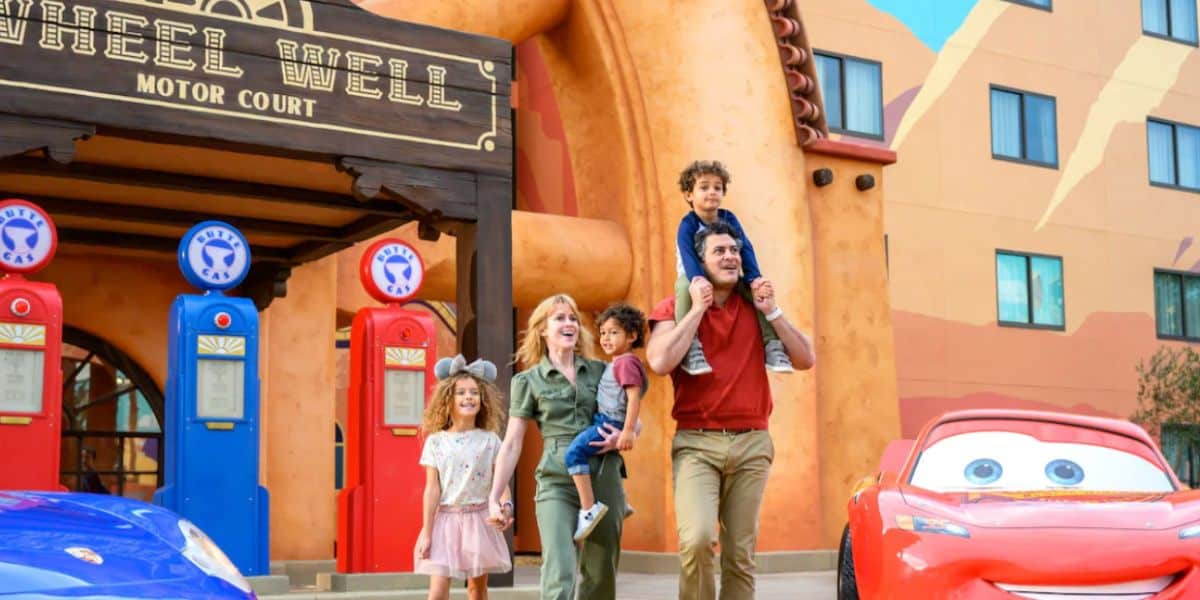
In this climate, the “Disney Bubble” serves as the ultimate safe harbor for the wealthy. When the news cycle is dominated by threats to global security and economic recession, the manicured streets of Main Street, U.S.A., offer a form of psychological escapism in high demand. For the luxury traveler, the cost of this escapism is secondary. They are paying for a world where the only “conflict” is choreographed by Marvel or Star Wars.
This demand for safety and predictability has allowed Disney to push price hikes that would have been unthinkable five years ago. When the world feels unstable, “Magic” becomes a premium commodity.
The International Rebound: Disney Adventure World
While the U.S. domestic parks provide the bulk of the revenue, 2026 is a landmark year for Disney’s international portfolio. The biggest story is the massive transformation of Disneyland Paris.

On March 29, 2026, the second park in Paris officially rebranded as Disney Adventure World, timed with the opening of the highly anticipated World of Frozen. This “bold new era” has nearly doubled the park’s footprint and seen international attendance grow by 6% in the first quarter alone.
By positioning Disneyland Paris as a five-star destination—complete with the reimagined five-star Disneyland Hotel—Disney has tapped into a European luxury market that is increasingly opting for high-end “staycations” rather than risky international flights.
The Cruise Line Engine: Treasure and Destiny
Beyond the theme park walls, the Disney Cruise Line (DCL) is acting as a massive revenue multiplier. The recent launches of the Disney Treasure (December 2024) and the Disney Destiny (November 2025) have significantly increased passenger cruise days.
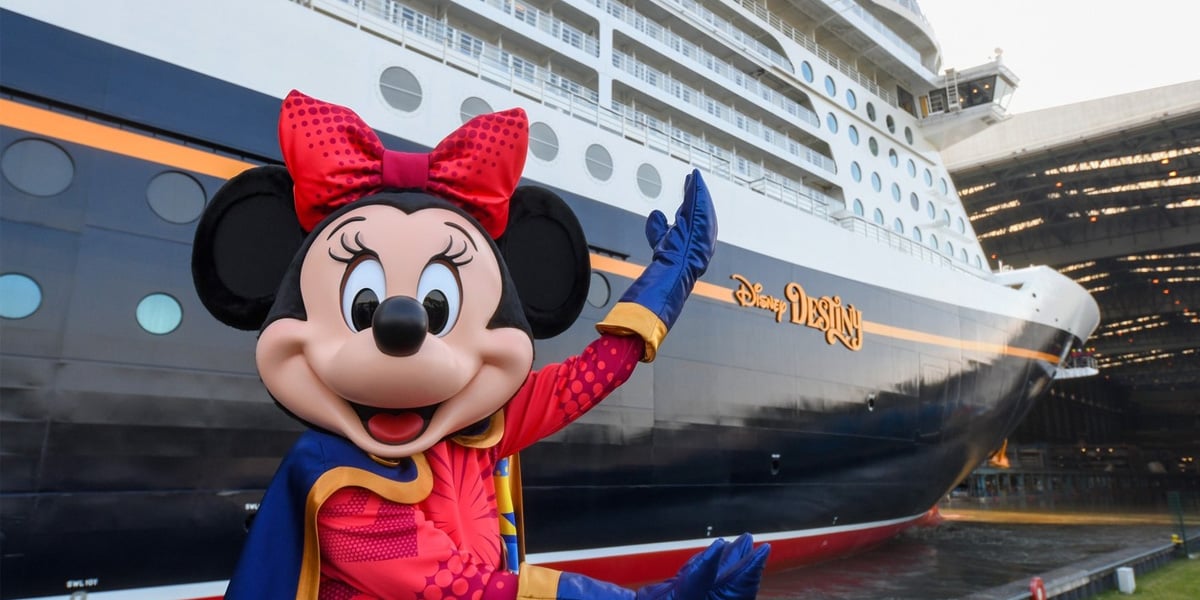
The cruise model is the pinnacle of the “high-yield” strategy. It offers a closed-loop ecosystem where every dollar spent on food, excursions, and merchandise stays within the Disney ledger. With bookings for the remainder of 2026 pacing up 5%, the cruise line is proving to be the company’s most recession-proof asset.
Is the “Average Fan” Being Left Behind?
The Business Insider analysis raises a sobering question: Is Disney still for everyone? In 2026, the answer seems to be “only if you’ve been saving for a decade.”
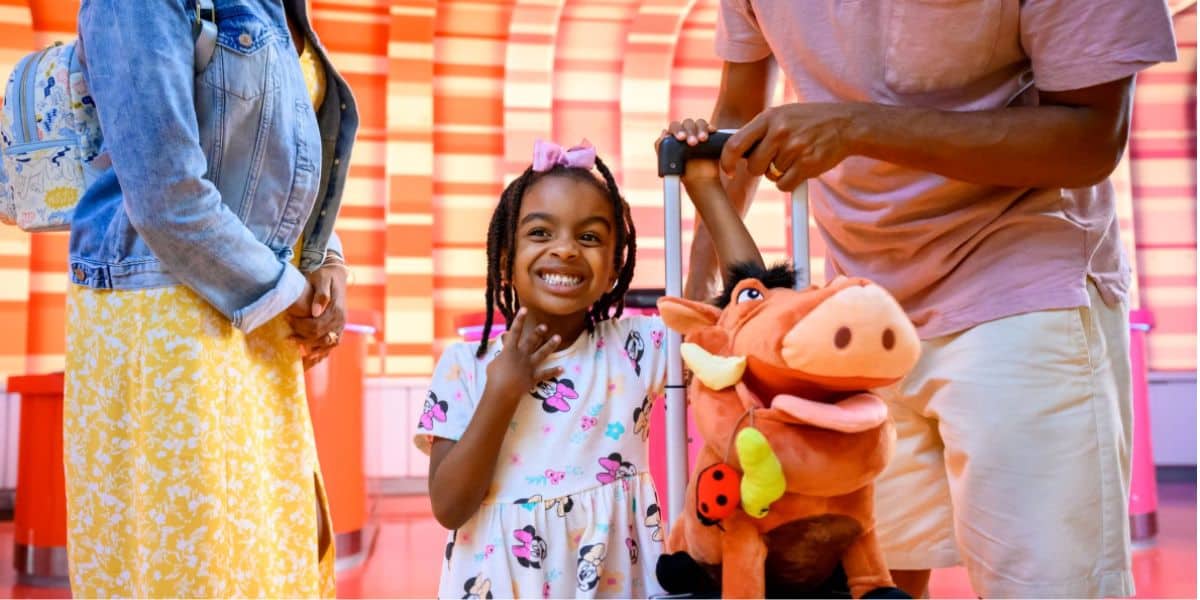
The “lost” attendance from middle-class families, who are feeling the pinch of the global economic struggle, is being more than made up for by the top 10% of earners. For The Walt Disney Company, this is a winning mathematical formula. The legacy of the “people’s park” marks a fundamental shift in identity.
As Disney pivots to luxury, the parks are becoming less of a communal cultural experience and more of an exclusive status symbol. In the current economy, if you aren’t a “high-yield” guest, you might find yourself looking at the castle from outside the gates.
Conclusion: Mickey’s Golden 2026
As we look toward the remainder of the year, Disney’s Experiences arm is set to remain the most powerful driver of the company’s valuation. By leveraging its IP, the desire for escapism in an unstable world, and a ruthless focus on premium pricing, Disney has turned a global economic struggle into its own personal boom.

The “Magic” is still there, but in 2026, it comes with a $1,000-a-day price tag. For The Walt Disney Company, the strategy is clear: the future is luxury, and business has never been better.