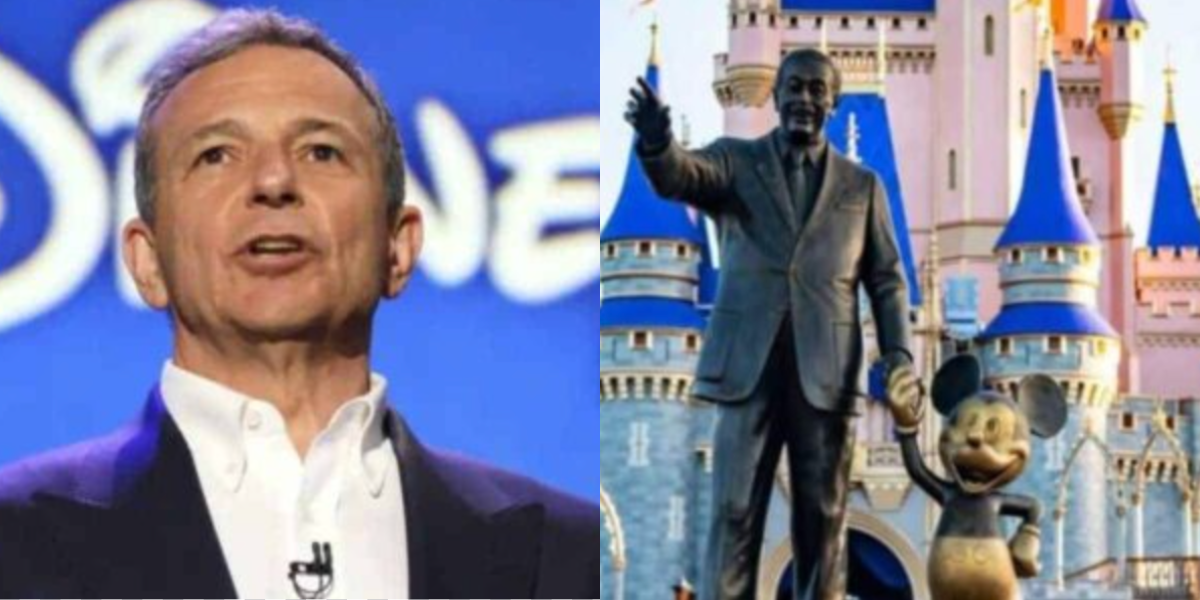
On Monday, February 2, 2026, the global financial and entertainment sectors will pause for what The Motley Fool has officially dubbed potentially Disney’s most significant quarterly report in years. For CEO Bob Iger, the date is heavy with symbolism. It is Groundhog Day, but rather than looking for a shadow, Wall Street will be looking for a successor.

The call, scheduled for an hour before the opening bell, arrives at a critical juncture for the House of Mouse. Iger isn’t just reporting on a fiscal quarter; he is defending the architecture of a multi-year turnaround while standing on the precipice of his final departure. From the “Project Flagship” launch of ESPN to a massive $60 billion “turbocharged” parks expansion, the stakes are nothing short of existential.
1. The Succession Shockwave: Who Takes the Throne?
The most glaring issue facing Disney is the transition of power. In late 2024, the Disney Board of Directors, led by James Gorman, publicly stated they would name Iger’s successor in “early 2026.” As we sit in late January, the clock has officially run out on “early.”

Analysts believe that if Iger does not name his heir during this call, the uncertainty will continue to act as a drag on Disney’s stock price. The candidates are well-known to the market:
- Josh D’Amaro (Experiences): The “culture carrier” overseeing the parks and cruises.
- Dana Walden (Entertainment): The creative powerhouse behind Disney’s television and general entertainment.
- Jimmy Pitaro (ESPN): The digital transformer leading the sports pivot.
Iger’s “Second Act” was intended to be a brief rescue mission. Instead, it has been a long-form saga of restructuring. On February 2, Iger must convince investors that the “handoff” will not be the fumbled mess that occurred with Bob Chapek in 2020. Whether he names a single successor or a co-CEO structure, the market is demanding clarity.
2. “Turbocharging” the Parks Amidst Transition
Just twenty-four hours before the earnings call, on February 1, the DINOSAUR attraction at Disney’s Animal Kingdom will permanently close its doors. This isn’t just a minor operational change; it is the physical manifestation of Iger’s $60 billion investment plan.

Disney is currently in a phase of “turbocharged” capital expenditure. Estimates suggest that spending in the Experiences division could exceed $7 billion in 2026 alone, a record-breaking figure. Iger will need to address how this spending is being utilized to combat “guest fatigue” and rising competition from Universal’s Epic Universe.
While the parks remain the company’s primary cash engine, Iger must navigate the delicate balance of high pricing and guest satisfaction. Investors will be listening for updates on the Tropical Americas land (replacing DinoLand U.S.A.) and how the integration of massive IP—like Indiana Jones and Encanto—will ensure that the “Experiences” segment continues to deliver double-digit growth even as consumer spending fluctuates.
3. The ESPN Pivot: Breaking the Bundle for Good
Perhaps the biggest financial “bet” of Iger’s career is the launch of “Project Flagship”—the full direct-to-consumer version of ESPN. For decades, ESPN was the crown jewel of the cable bundle. Now, Iger is preparing to take it solo.

On the February 2 call, Iger is expected to provide definitive data on the “Flagship” rollout. With the linear cable world in a “death spiral,” the new ESPN app—touted to feature integrated betting, fantasy sports, and AI-driven personalization—must prove it can capture the younger demographic. If the standalone price (rumored between $25 and $30) doesn’t attract a massive subscriber base, the high cost of sports rights could become a catastrophic burden. Iger’s task is to show that ESPN can be more than a channel; it must be a digital sports “platform.”
4. The Streaming Milestone: Profitability vs. Saturation
Disney’s streaming narrative has shifted. No longer is the board chasing “subscribers at any cost.” The mantra for 2026 is sustained profitability. Following the full integration of Hulu and the resolution of the Comcast buyout, Disney+ is finally a unified entity.
Expected reports suggest a DTC operating income of approximately $375 million for the quarter—a massive swing from the multi-billion dollar losses seen just a few years ago. However, Iger faces a “jaded market.” As The Motley Fool points out, even consistent earnings beats haven’t been enough to push the stock significantly higher over the last year. Iger must go beyond the numbers and present a “storybook ending” for the streaming story: how does Disney keep churn low and ARPU (Average Revenue Per User) high without hitting a natural ceiling of growth?
5. Creative Studios: The “Avatar” Problem
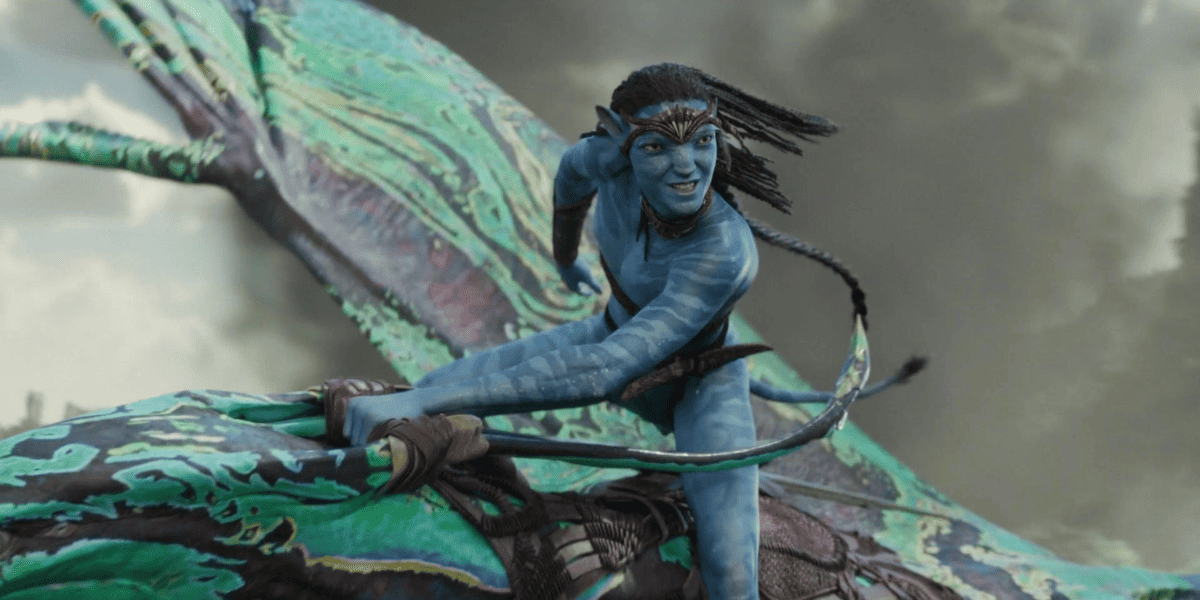
While Disney dominated the box office in late 2025, Avatar: Fire and Ash has sparked a “quality over quantity” debate. While the film earned a staggering $1.4 billion, it sits significantly below the gargantuan totals of the first two installments.
Iger’s mandate to slash the number of Marvel and Star Wars releases was intended to restore brand prestige. On the call, he will have to defend the theatrical slate. Are audiences suffering from “franchise fatigue,” or is Disney’s pivot to “quality” finally working? With theatrical headwinds potentially weighing down the quarter’s results, Iger needs to prove that the creative engine is primed for a 2026-2027 renaissance.
Conclusion: The Final Walk in the Sun
Bob Iger’s return was billed as the return of a legend to fix a broken kingdom. As he takes the mic on February 2, he is surveying a company that is vastly different from the one he left. It is leaner, more focused on streaming profitability, and undergoing a massive physical transformation in its parks.

But the question remains: is Iger the man for the future, or is he simply preparing the ground for his successor? If the succession announcement is made on Monday morning, the call will be a celebration of the transition. If he remains silent, it will be seen as a “punt” on the most critical question facing the company.
Iger has always been a master storyteller. On Groundhog Day, he has to tell the most important story of his career—one that convinces Wall Street that the magic is not just a memory, but a sustainable financial future.