
Before finishing your packing list for a 2027 Disney World vacation, you might want to take another look at what you’re bringing.
Walt Disney World maintains numerous policies that affect what visitors can wear, carry, and do throughout the resort.

While many of these restrictions have existed for years, they’re surprisingly easy to overlook, particularly for families returning after a lengthy absence.
Here are eight rules worth remembering before your next Disney World vacation.
1. Packing Your Own Drinks Has Limitations
Bringing refreshments into Disney World can help families reduce their food expenses.
However, Disney prohibits guests from bringing outside alcoholic beverages into its theme parks and water parks.
Visitors can still pack suitable snacks and nonalcoholic drinks.
Disney makes exceptions for outside alcohol at resort hotels, while select Disney Springs restaurants allow guests to bring wine for a corkage fee.
2. Coolers Must Meet Specific Requirements
Families hoping to pack lunch should familiarize themselves with Disney’s security restrictions.
Disney prohibits coolers and other bags measuring more than 24 inches long, 15 inches wide, or 18 inches high inside its theme parks and water parks.
Loose ice and dry ice are also prohibited inside these containers.
Reusable ice packs offer a simple solution for keeping sandwiches and drinks cold throughout the day.
3. Animal Kingdom Has Different Rules
Not everything available at other Disney theme parks is welcome at Animal Kingdom.
Disney prohibits balloons and plastic straws to help protect its animals.

These restrictions also extend to Animal Kingdom Lodge and Disney’s water parks.
Families planning birthday celebrations or purchasing souvenirs before Park Hopping should remember these additional limitations.
4. Your Stroller Might Not Qualify
Parents should measure their strollers before loading them into the car.
Disney’s stroller policies require traditional strollers to measure no more than 31 inches wide and 52 inches long.
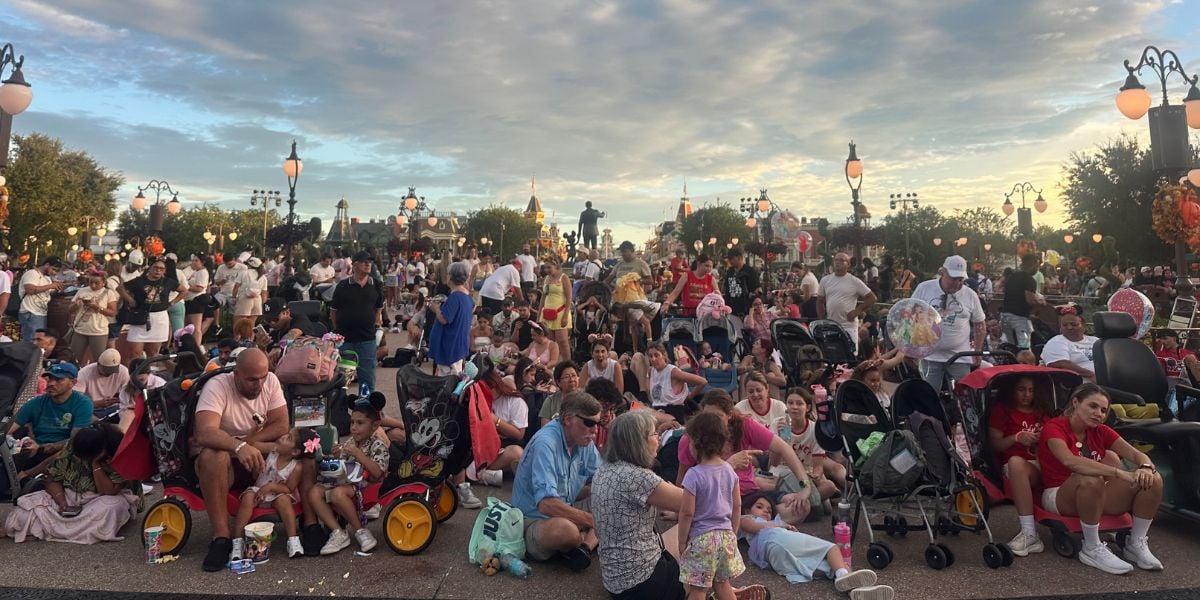
Stroller wagons are prohibited altogether.
If your equipment doesn’t meet Disney’s requirements, renting a compliant stroller may provide a convenient alternative.
5. Older Guests Face Costume Restrictions
Families coordinating vacation outfits should review Disney’s dress code before making purchases.
Guests ages 14 and older generally cannot wear character costumes during ordinary theme park operations.
Disney also restricts offensive graphics, excessively revealing clothing, and garments that drag along the ground.
Certain special events allow costumes for older visitors, although separate guidelines apply.
6. Children Cannot Always Explore Independently
Disney maintains age requirements for both park admission and attraction access.
Children younger than 14 need someone who is at least 14 to accompany them into the theme parks and water parks.

Meanwhile, children younger than seven must have someone ages 14 or older accompany them aboard attractions.
These requirements are separate from Disney’s attraction height restrictions.
7. Holding a Place in Line Is Prohibited
Sending one family member into an attraction queue while everyone else grabs lunch might sound efficient, but Disney prohibits this practice.
The company’s guest courtesy policies expressly forbid line-cutting and saving places for others.
Families should enter queues together whenever possible.
If an unexpected situation requires someone to leave the line, ask a cast member for assistance.
8. Smoking Restrictions Extend Beyond the Parks
Disney requires guests who smoke or vape to use designated areas.
These locations sit outside theme park entrances, with additional designated areas available elsewhere on Disney property.

Visitors staying at Disney hotels should be particularly careful about violating resort smoking policies.
Smoking in prohibited hotel rooms or on balconies or patios can result in an additional $250 to $500 charge.
Avoiding Unnecessary Vacation Headaches
Disney World vacations require enough planning without unexpected problems at security or additional hotel expenses.
Although these restrictions aren’t necessarily new, understanding them before visiting in 2027 can help families avoid unnecessary complications and spend more time enjoying their vacation.