
Florida weather can become part of a Walt Disney World vacation faster than almost anything else.

A sunny morning at Magic Kingdom can turn into an afternoon of heavy rain. Guests who arrive expecting shorts and sunscreen sometimes find themselves buying ponchos, checking radar between attractions, and adjusting transportation plans around thunderstorms.
This week has brought a much more serious version of Florida’s wet weather.
Central and eastern parts of the state have dealt with heavy rainfall, flood watches, flooded roads, and rising waterways. Orange County, home to much of Walt Disney World and the Orlando tourism corridor, was included in a National Weather Service Flood Watch earlier in the week as rounds of heavy rain moved across Central Florida. The National Weather Service canceled that watch on November 20 as conditions improved in Orange County, although flooding concerns have continued elsewhere in the region.
At the same time, Florida health officials are tracking another issue associated with warm coastal and brackish water.
Florida has now recorded seven deaths from Vibrio vulnificus in 2026, according to the Florida Department of Health. The potentially deadly bacterium is sometimes described as “flesh-eating bacteria” because some infections can lead to necrotizing fasciitis, a severe condition in which tissue around an infected wound dies.
The development sounds alarming, particularly after a week dominated by flood warnings.
For Walt Disney World guests, however, there is an important distinction: Florida’s statewide Vibrio numbers do not mean there is an outbreak at Disney World.
Florida Confirms Seven Vibrio Deaths in 2026
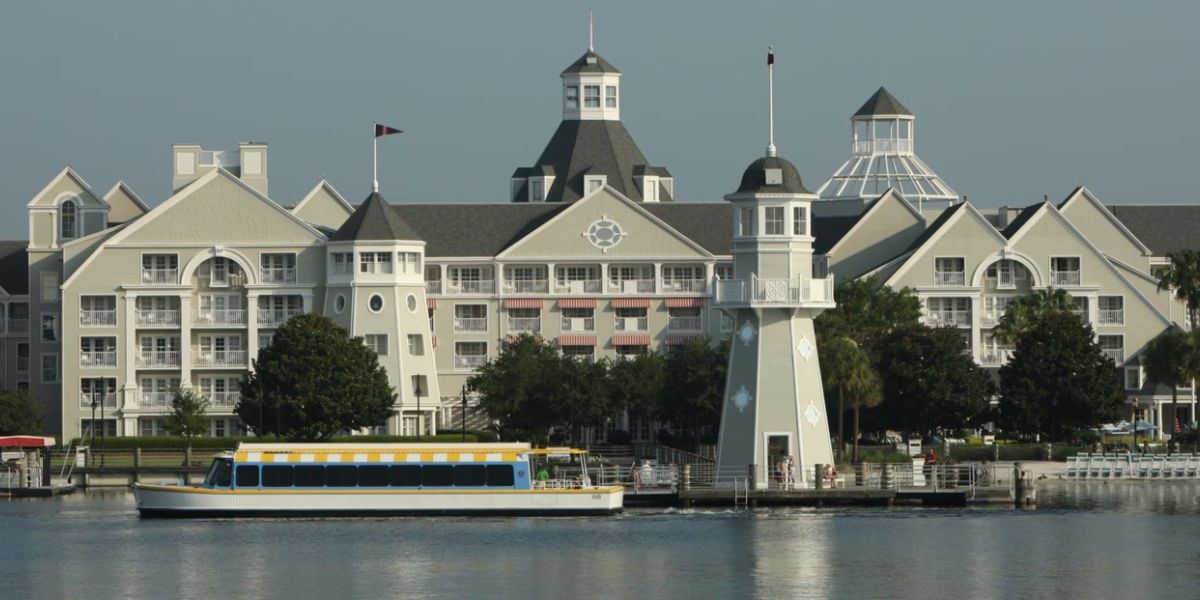
The Florida Department of Health’s latest published Vibrio vulnificus table lists 36 confirmed cases and seven deaths statewide for 2026 as of its November 19 update.
That has already surpassed Florida’s 2025 total of 33 cases and five deaths.
The seven deaths reported this year occurred among cases associated with Bay, Broward, Escambia, Hillsborough, Marion, Palm Beach, and Pinellas counties, according to the state data.
Hillsborough County, which includes Tampa, is the newest county on the state list with a 2026 death. Florida currently lists two cases and one death there.
The numbers remain well below the extraordinary totals Florida recorded in 2024.
That year, the state documented 82 cases and 19 deaths. Florida health officials note that several counties experienced an unusual increase following Hurricane Helene. The state also recorded a sharp increase following Hurricane Ian in 2022.
Why Floodwater Can Increase the Risk

People can become infected after eating raw or undercooked shellfish, particularly oysters. The bacteria can also enter the body when an open wound comes into contact with contaminated coastal or brackish water.
The Centers for Disease Control and Prevention specifically warns that coastal floods, hurricanes, and storm surge can move those waters inland and increase the possibility of wound exposure. Cuts, scrapes, recent tattoos, piercings, and surgical wounds can all provide an entry point.
That is why photos of people walking through flooded streets after a storm can raise a different health concern than ordinary rain.
Standing floodwater should not be treated like a puddle at a theme park.
Disney World Is Not Where Florida’s Cases Are Being Reported
This is where the Disney World connection requires some perspective.
Walt Disney World sits across Orange and Osceola counties in inland Central Florida.
Florida’s November 19 Vibrio vulnificus report does not list any 2026 cases in either Orange County or Osceola County.
There is also no evidence from state health officials that Walt Disney World’s theme parks, resorts, pools, drinking water, or attractions are connected to the reported infections.
Guests should therefore not interpret Florida’s seven deaths as a warning to avoid Disney World.
The more relevant connection is the weather.
Orange County was included in a Flood Watch this week, with the National Weather Service warning that heavy rainfall could produce flooding. That watch was canceled Friday morning, November 20.
Central Florida has still experienced significant rainfall, while some communities farther east have dealt with much more serious flooding and rising rivers.
For a typical Disney vacationer remaining inside the parks and resorts, the circumstances are very different from someone wading through coastal floodwater with an exposed wound.
Why Doctors Take This Infection So Seriously
Although Vibrio vulnificus infections are uncommon, they can become severe quickly.
The CDC says about one in five people who develop a Vibrio vulnificus infection die, sometimes within one or two days of becoming ill. Some patients require intensive care or amputations.
Symptoms depend on the type of infection.
Vibriosis can cause watery diarrhea, stomach cramps, nausea, vomiting, fever, and chills. Wound infections can cause redness, swelling, pain, warmth, discoloration, fever, and leaking fluid. Bloodstream infections can produce fever, chills, dangerously low blood pressure, and blistering skin lesions.
People with certain underlying medical conditions face a greater risk of serious illness. The CDC lists liver disease, cancer, diabetes, HIV, and several other conditions among factors that can increase the risk of severe infection.
Anyone who develops concerning symptoms after exposure to coastal or floodwater should seek medical care promptly.
What Disney World Visitors Should Actually Do
For most Walt Disney World visitors, this news does not require changing a vacation.
There is no state health advisory telling travelers to avoid Disney World because of Vibrio vulnificus, and the current state case table does not show cases in Orange or Osceola counties.
The sensible precautions become important if a guest ventures into areas affected by actual flooding, especially closer to Florida’s coast.
The CDC recommends keeping open wounds away from salt water, brackish water, and floodwater. If contact cannot be avoided, wounds should be covered with waterproof bandages and exposed skin should be washed afterward with soap and clean running water.
Food safety matters too. Cooking oysters and other shellfish properly kills harmful Vibrio bacteria, while appearance, smell, lemon juice, hot sauce, and alcohol cannot tell you whether an oyster contains the bacteria or make contaminated raw oysters safe.
For Disney World guests, the takeaway is much less frightening than the phrase “flesh-eating bacteria” makes it sound.
Florida is tracking a serious but rare infection at the same time parts of the state have been dealing with significant flooding. That deserves attention, particularly for anyone entering floodwater or visiting coastal areas.
It is not evidence that something dangerous is spreading through Walt Disney World.
If you are heading to Disney over Thanksgiving week, would this week’s heavy rain change any of your plans outside the parks, or are you carrying the ponchos and keeping the vacation moving?