Ask a room full of Walt Disney World regulars to name the single most frustrating part of visiting the Most Magical Place on Earth, and you might expect them to bring up two-hour standby queues, expensive Lightning Lanes, or afternoon Florida thunderstorms. Yet in a recent viral social media discussion, theme park fans overwhelmingly pointed the finger at a piece of infrastructure that every offsite Magic Kingdom guest has to cross twice a day: the Transportation and Ticket Center.
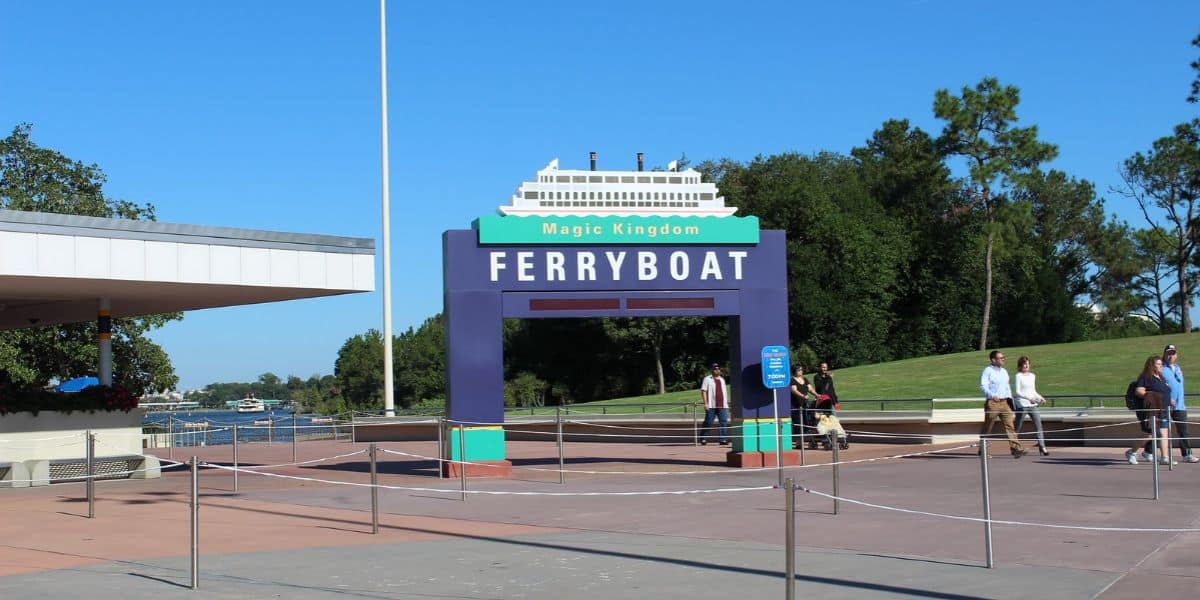
Known simply as the TTC, this sprawling transit plaza connects the Magic Kingdom parking lot to the ferryboats and monorails across Seven Seas Lagoon. In the online thread, fans complained that the area lacks any real Disney theming, wastes an enormous amount of prime property, and creates a frustrating bottleneck before guests even reach Main Street, U.S.A. Worse still, despite pouring billions of dollars into new lands across the resort, Walt Disney World has announced no plans to fix it.
Why the Transportation and Ticket Center Frustrates So Many Guests
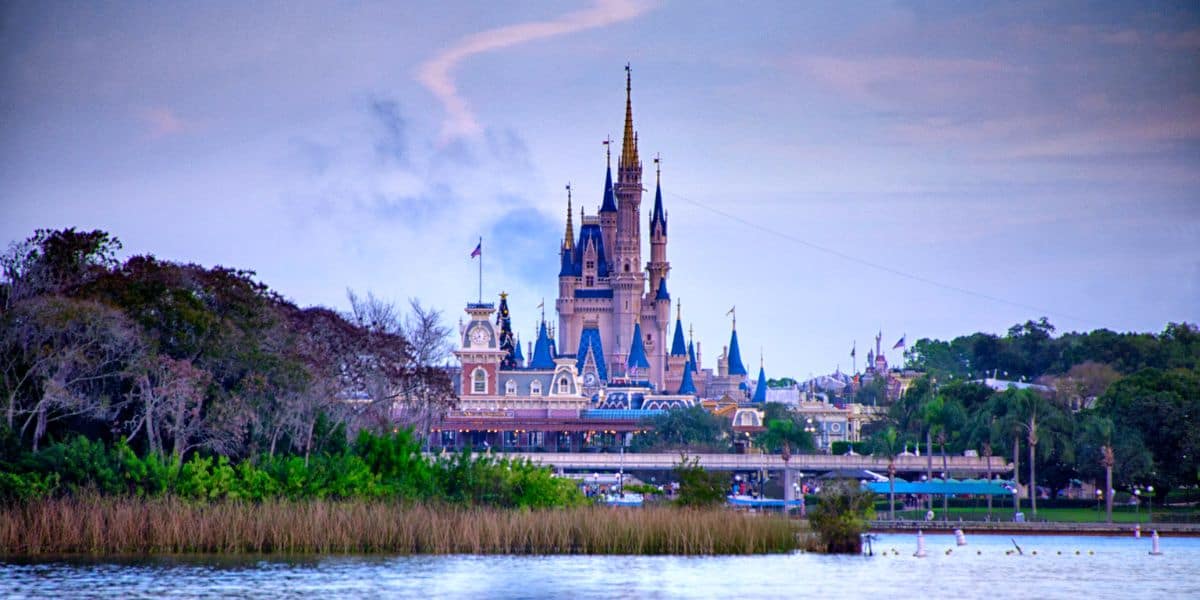
When Walt Disney and his Imagineers planned Magic Kingdom in the late 1960s, placing the parking lot across Seven Seas Lagoon from the park entrance was hailed as a visionary storytelling choice. By requiring visitors to travel across the water by ferryboat or monorail, Disney built excitement and kept highways, asphalt, and parked cars completely out of sight from Cinderella Castle.
More than five decades later, however, park-goers argue that the Transportation and Ticket Center feels less like a magical threshold and more like an outdated commuter bus terminal. Unlike EPCOT, Disney’s Hollywood Studios, and Disney’s Animal Kingdom—where parking lots lead straight to the main entrance gates—Magic Kingdom requires a multi-step commute just to scan your ticket.
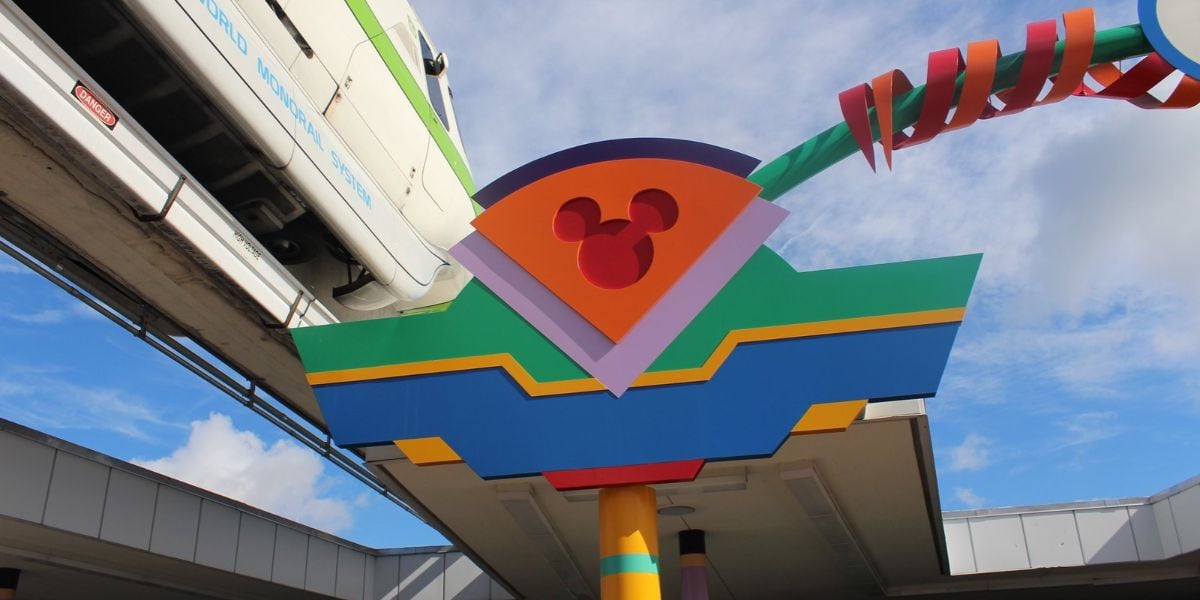
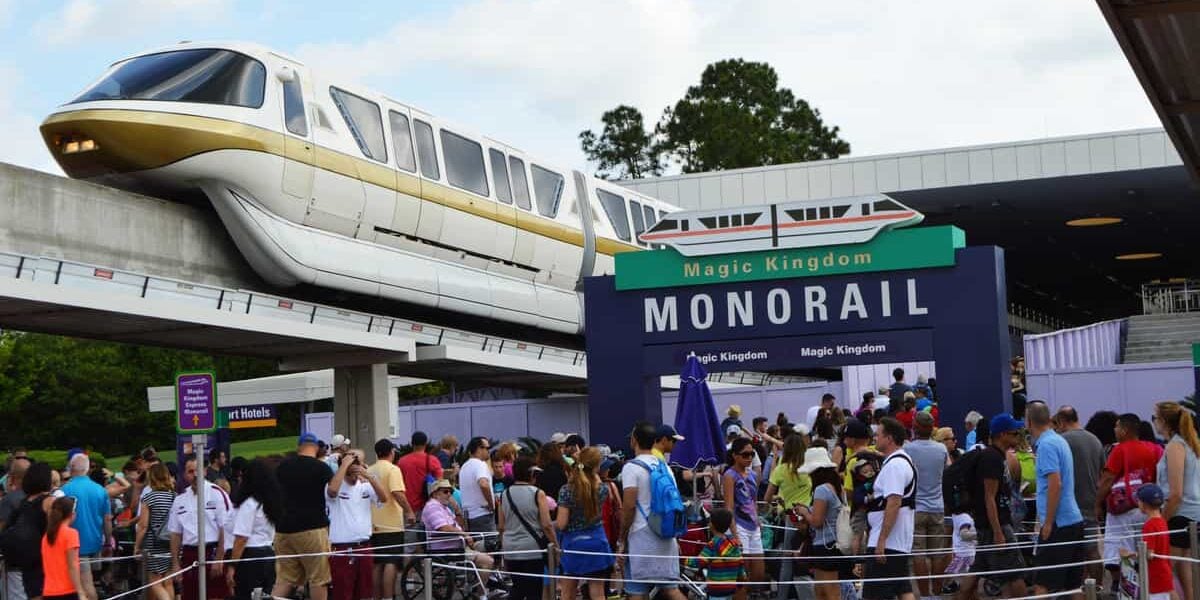
In the viral discussion, fans criticized the TTC for occupying a massive footprint while offering virtually no immersive theming. After parking and riding a tram or walking across hot pavement, guests are funneled through expansive security screening tents, past rows of largely unused physical ticket booths left over from the pre-smartphone era, and into long, unshaded switchback queues for the Express Monorail, Resort Monorail, or Seven Seas Lagoon ferryboats.
At park opening and immediately following the nightly fireworks, congestion at the TTC reaches painful levels. Exhausted families juggling strollers, backpacks, and souvenirs often spend 30 to 45 minutes waiting in line just to board a boat or monorail back to the TTC, followed by another trek to their vehicles or rideshare pickup lanes. For many fans, that concrete bottleneck shatters the Disney bubble at both ends of the day.
Left Off the Blueprint During Disney’s Historic Expansion Era
What makes the Transportation and Ticket Center’s neglected condition even harder for fans to ignore is the scale of construction happening elsewhere across Walt Disney World Resort. Over the next several years, Imagineers are expanding Magic Kingdom with the Cars-themed Piston Peak National Park and Villains Land, transforming DinoLand U.S.A. into Tropical Americas at Disney’s Animal Kingdom, and building a Monsters, Inc. land at Disney’s Hollywood Studios.
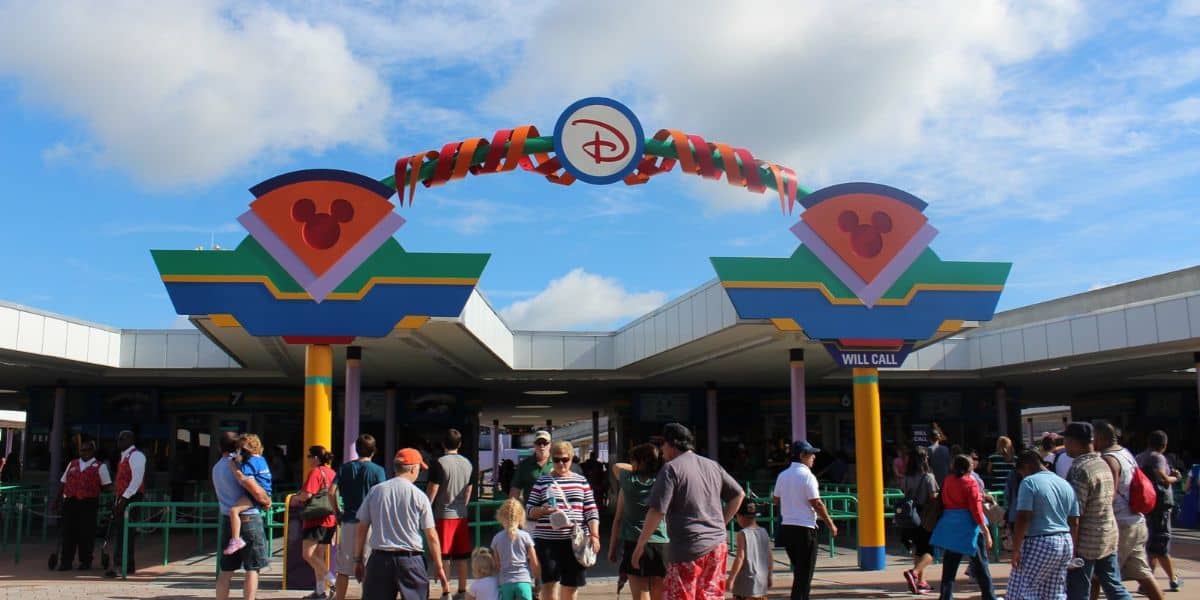
Yet throughout all of these multi-billion-dollar announcements, the Transportation and Ticket Center has been left entirely off Walt Disney World’s capital improvement roadmap. Aside from a fresh coat of blue, gold, and white paint applied ahead of the resort’s 50th anniversary celebration a few years back, the layout, shade coverage, and traffic flow of the hub remain largely stuck in the 1970s. Without an overhaul on the horizon, millions of guests driving to Magic Kingdom will keep funneling through the same unthemed transit plaza for years to come.
How Turning the TTC Into a Disney Skyliner Hub Could Solve the Problem
While Walt Disney World has shown no signs of rebuilding the Transportation and Ticket Center, theme park fans have already floated a compelling solution that could turn the space from an eyesore into a highlight: transforming the TTC into a central hub for the Disney Skyliner.
Since debuting in 2019, the Disney Skyliner aerial gondola network has become one of Walt Disney World’s most popular and reliable transit systems, moving thousands of guests per hour between EPCOT, Disney’s Hollywood Studios, and four resort hotels with minimal wait times. Expanding the Skyliner system to connect directly to the Transportation and Ticket Center would accomplish two major improvements at once.
First, a Skyliner terminal at the TTC would dramatically expand resort-wide accessibility and provide a high-capacity transit alternative. Currently, guests parked at the TTC can board the monorail to Magic Kingdom or EPCOT. At the same time, travelers heading to Disney’s Hollywood Studios, Disney’s Animal Kingdom, or Skyliner-connected resorts must rely on buses. Adding an aerial gondola line linking the TTC toward the EPCOT resort area—or connecting nearby hotels—would take pressure off buses and monorails during peak arrival and exit rushes while offering a continuous-loading ride high above road traffic.
Second, building a Skyliner hub at the TTC would finally give Imagineers the perfect excuse to overhaul the entire concrete footprint. Removing obsolete ticket booths, adding lush landscaping, installing shaded walkways, and introducing themed coffee or quick-service kiosks alongside a mid-century Skyliner station would transform a dreary asphalt expanse into a genuinely welcoming gateway worthy of Walt Disney World.
How to Navigate the TTC Until Changes Happen
Until Walt Disney World decides to reimagine its most criticized transit hub, guests driving to Magic Kingdom will need a smart strategy. Theme park veterans advise arriving at the parking toll plaza at least 60 to 75 minutes before Early Theme Park Entry begins to beat the morning security and monorail rush, checking both the ferryboat dock and Express Monorail ramp to see which line is moving faster, and lingering on Main Street, U.S.A. for 30 minutes after the fireworks so the heaviest exit crowds clear out first.