Standing under the humid Florida sky after waiting eighty minutes in a snaking standby queue, you finally see the vehicle gates pull into view. You have budgeted thousands of dollars for this vacation, set predawn alarms to grab early bookings, and paid extra for line-skipping perks. Then, a mechanical chime sounds over the loudspeakers: “Attention guests, this attraction has temporarily paused operations.”

Overhead house lights flick on, ride attendants begin directing bewildered crowds toward the nearest emergency exits, and automatic digital redemption passes pop up on your smartphone. While ride interruptions have always been a variable in the theme park equation, the sheer volume of unexpected downtime across Walt Disney World has escalated from an occasional headache into a daily operational logjam.
Rides in every category—from cutting-edge trackless adventures to gentle, decades-old omnimovers—are practically screaming for mechanical overhauls. Yet Disney has largely left them in rotation, relying on overnight patches while parkgoers absorb the lost time and mounting frustration.
By the Numbers: Tracking a Month of Disney World Ride Stalls
Recent monthly tracking across the resort reveals just how fragile the resort’s ride infrastructure has become, with several marquee experiences breaking down dozens of times in a single month:
EPCOT: Ground Zero for Daily Downtime
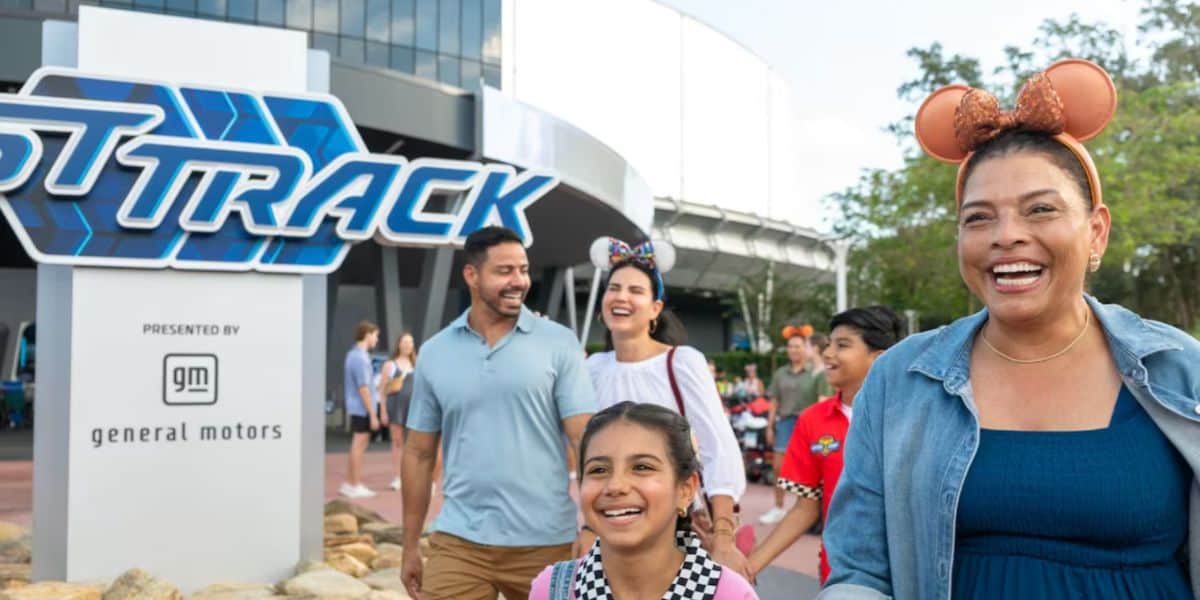
- Test Track: Leading the entire resort in downtime, Test Track suffered an astonishing 67 separate closures in just 25 days. That works out to nearly three operational halts per day on one of the park’s main crowd absorbers.
- Remy’s Ratatouille Adventure: Over in the France Pavilion, this trackless 3D ride stalled out 31 times in 18 days. Trackless ride systems rely on precise floor-sensor grids that are notoriously sensitive to minor obstructions and vehicle-spacing errors.
- The Seas with Nemo & Friends: Proving that breakdowns are not limited to high-tech thrill rides, this gentle, slow-moving “clammobile” dark ride ground to a halt 29 times in 18 days.

Magic Kingdom: Core Classics Feeling the Strain
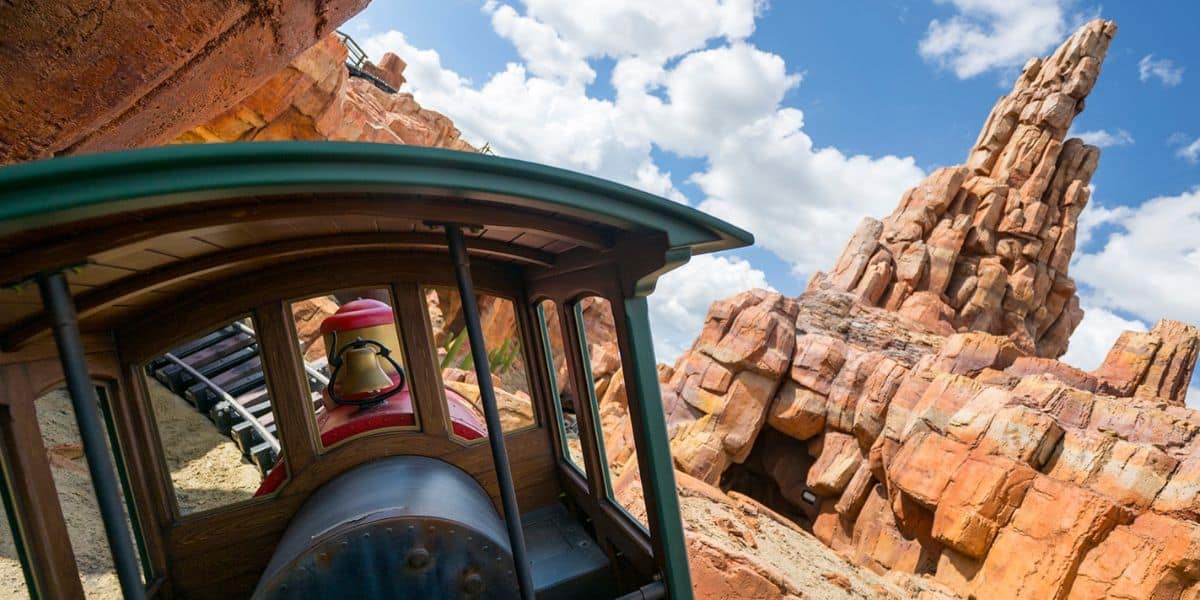
- Big Thunder Mountain Railroad: Frontierland’s coaster logged 34 closures across 24 days, frequently stranding riders on lift hills and stalling morning crowd flow.
- The Many Adventures of Winnie the Pooh: Fantasyland’s family-friendly dark ride recorded 33 closures across 20 days—a perplexing record for an attraction with relatively simple ride mechanics.
Disney’s Hollywood Studios: The High-Tech Balancing Act
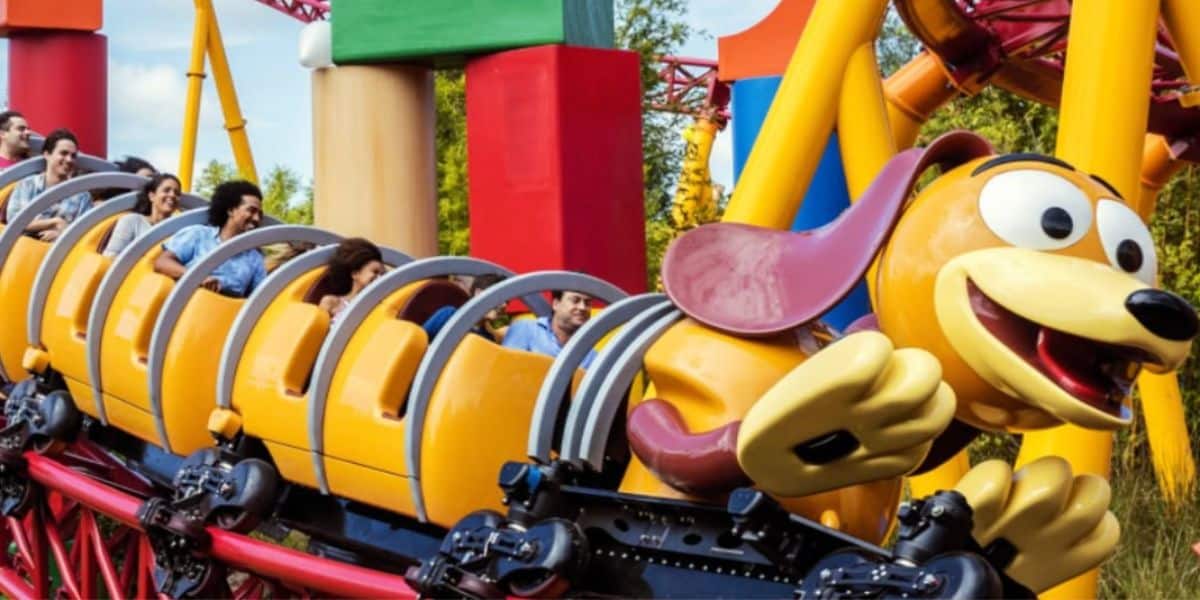
- Slinky Dog Dash: Toy Story Land’s flagship coaster recorded 36 closures in 21 days, routinely wrecking early-morning rope-drop strategies.
- Mickey & Minnie’s Runaway Railway: The Chinese Theatre headliner suffered 29 closures across 18 days.
- Star Wars: Rise of the Resistance: The resort’s most complex attraction logged 28 closures across 16 days.
- Rock ‘n’ Roller Coaster Starring The Muppets: The reimagined indoor coaster registered 21 closures in 16 days—a solid performance given intense demand, but still an ongoing friction point for park crowds.
Disney’s Animal Kingdom: The Steady Outlier
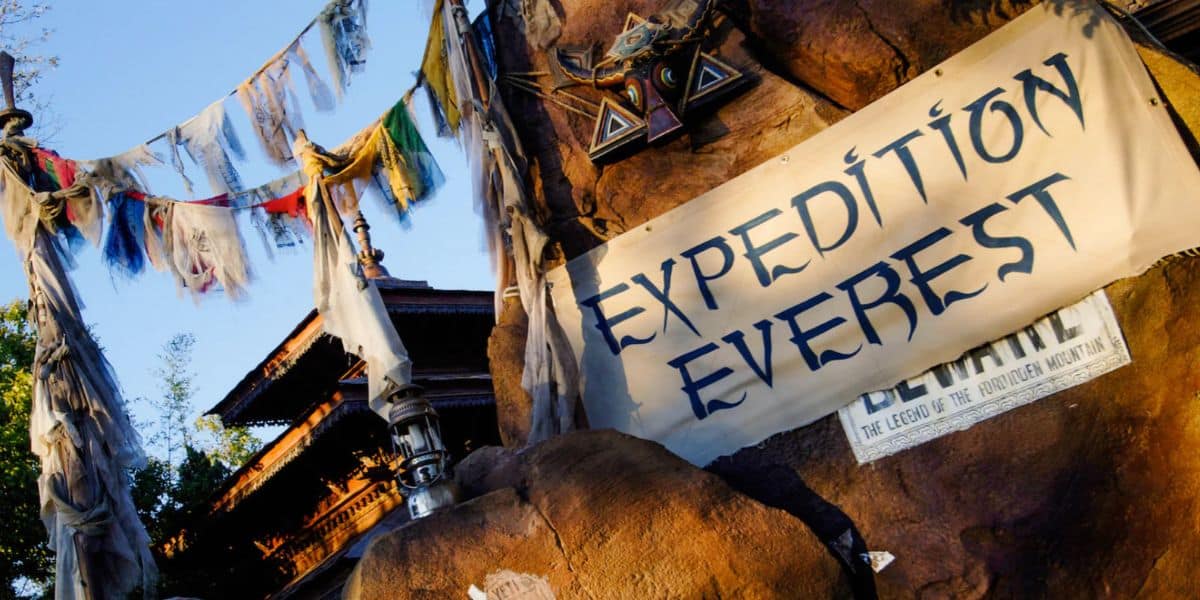
Animal Kingdom proved to be the lone bright spot. Beyond Kali River Rapids (which notched 10 closures in 9 days) and Expedition Everest, every other attraction in the park closed three times or fewer throughout the entire month.
The Trap: Why Won’t Disney Take Them Down for Extended Refurbishment?
If these attractions are struggling so severely, why doesn’t Disney pull them offline for extensive multi-month maintenance overhauls?

The answer comes down to an acute logistical bottleneck: park capacity and active construction walls.
Walt Disney World is already deep in significant capital expansion projects. Magic Kingdom is actively balancing work on major upcoming land additions, all while existing historical staples like the Carousel of Progress and the Walt Disney World Railroad have faced operational interruptions.

If park leadership were to simultaneously shutter major capacity eaters like Test Track, Big Thunder Mountain, or The Many Adventures of Winnie the Pooh for comprehensive refurbishments, the remaining open rides would be overwhelmed by displaced crowds. Standby lines across secondary attractions would instantly balloon, midways would gridlock, and guest satisfaction would plummet even further.
Disney is caught in a bind: pull the rides down and face severe capacity shortages, or keep running them on overnight fixes and hope they limp through the day. For now, management is choosing the latter.
When Breakdowns Turn Into Financial Losses for Guests
What makes this wave of mechanical unreliability especially stinging is how much guests are paying to be there.
A single-day park ticket now routinely ranges well above $150 to $180, before factoring in food, lodging, or travel. Add in the cost of purchasing Lightning Lane Multi Pass or Premier Passes to avoid multi-hour waits, and a single vacation day can cost a family hundreds of dollars an hour.
When headliner attractions collapse:
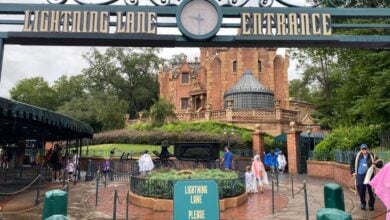
- Purchased Windows Vanish: A broken ride turns a fixed Lightning Lane window into a generic digital return pass, forcing guests to reroute to already crowded alternatives.
- Non-Refundable Time Disappears: You cannot get back the hour and a half spent waiting in a queue that gets evacuated mid-line. In a limited ten-hour park day, two major ride breakdowns can easily wipe out a third of your usable touring time.
- Screen Fatigue Overwhelms the Vacation: Instead of enjoying the sights, parkgoers are glued to their phones, anxiously refreshing My Disney Experience to see which ride went dark and rearranging plans on the fly.
Navigating the Outages: Smart Park Survival Rules
Until construction projects wrap up and Disney can afford to cycle these aging systems through deep maintenance, you have to plan defensively:

- Verify Ride Openings at Rope Drop: Never blindly run toward high-risk coasters like Slinky Dog Dash or Test Track at opening; check the mobile app at turnstile unlock to confirm the attraction has actually cleared morning testing.
- Prioritize Trackless Dark Rides Early: Attractions like Remy’s Ratatouille Adventure and Mickey & Minnie’s Runaway Railway are prone to sensor trips; book or ride them in the morning before heat and foot traffic compound the issues.
- Use Theater Shows as Reset Buttons: When major headliners drop offline simultaneously and outdoor wait times spike, head into high-capacity theater shows (The American Adventure, Mickey’s PhilharMagic, or Festival of the Lion King), which offer climate-controlled seats and rarely break down.
- Speak Up at Guest Experience Kiosks: If cascading closures ruin your prepaid Lightning Lane investments, stop by a blue Guest Experience Team umbrella. Cast Members can often adjust passes or reissue options—if you explain the issue politely.