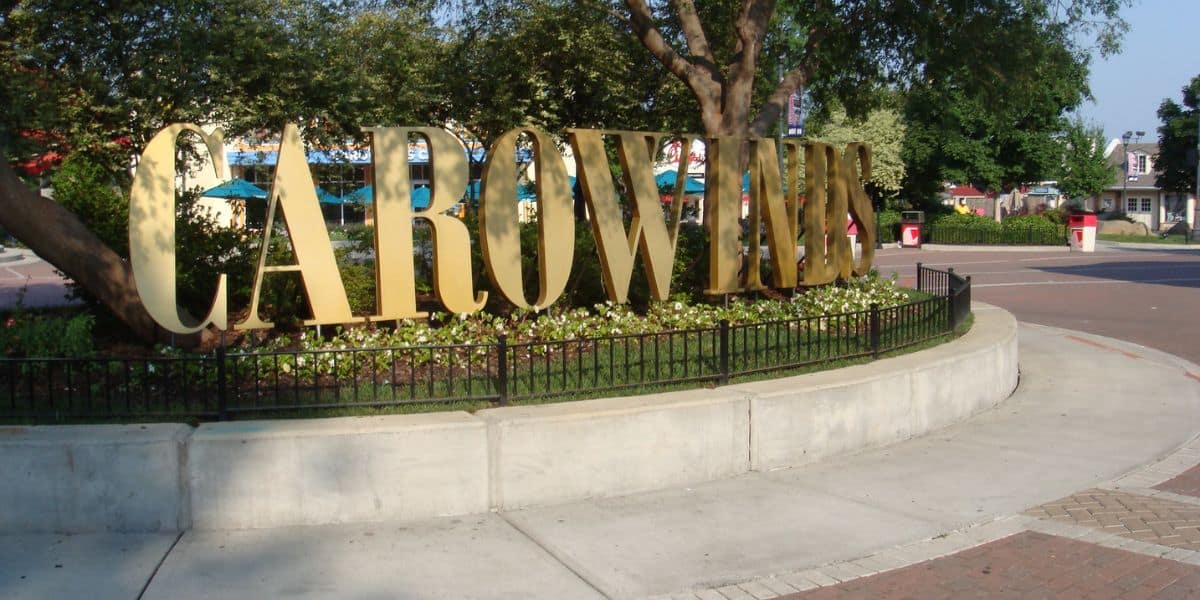
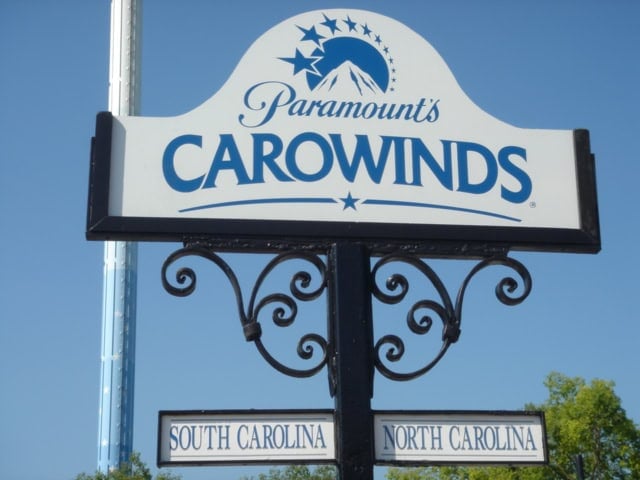
Carowinds lists five attractions as currently closed, while its official response to the fatal incident at Six Flags Over Georgia specifically identifies two: Fury 325 and Thunder Striker. For guests planning a visit to the Charlotte-area park, the distinction matters. The larger closure list does not establish that every affected ride was shut down because of the Georgia investigation.
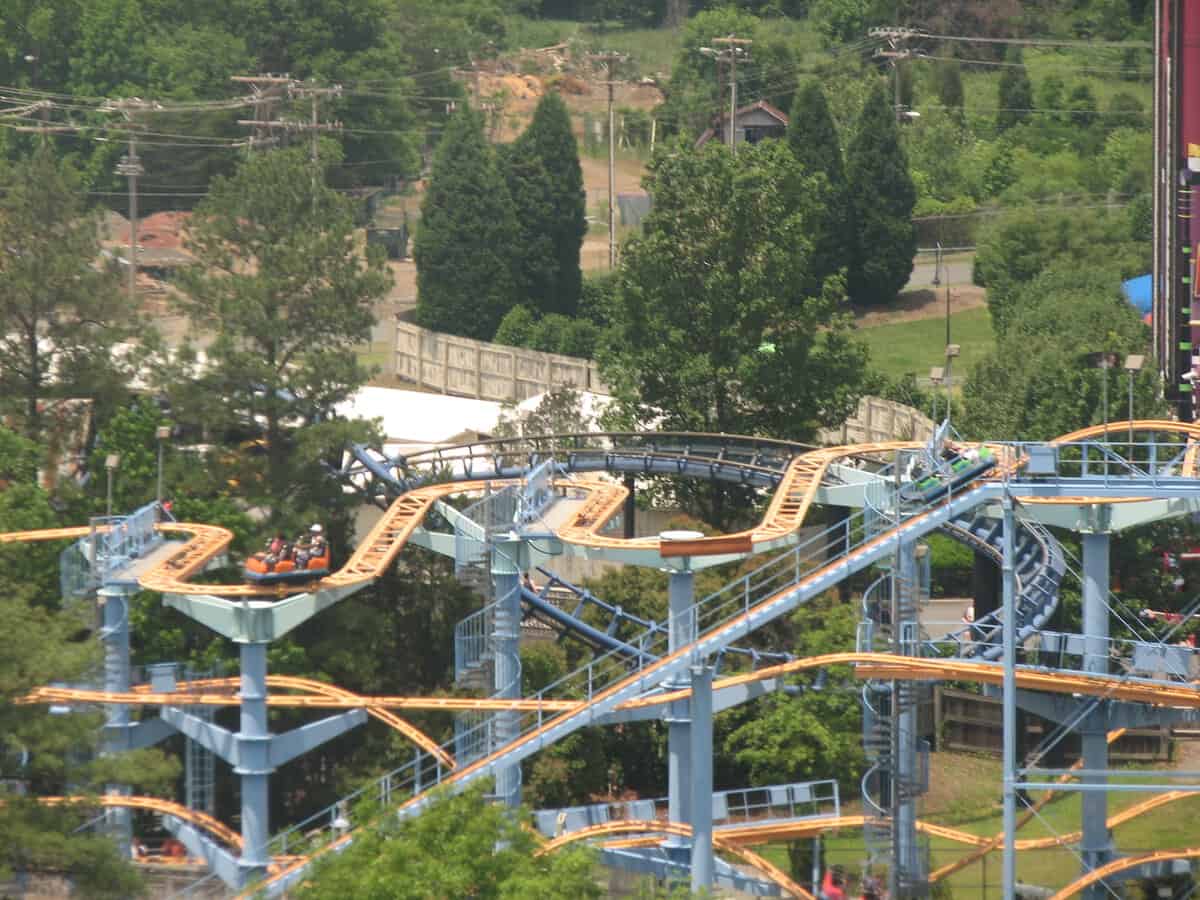
The Carowinds ride closures include Electro-Spin, Gyro Force, and WindSeeker alongside the two coasters. However, the park’s published notices do not explain why those three additional attractions are unavailable or when their closures began.
What Carowinds Confirms About Its Ride Closures
Carowinds’ scheduled ride closures page names all five attractions and directs visitors to the official Six Flags app for availability information. It also warns that attraction availability can change without notice.
If what I’m hearing is correct about SFOG being completely at fault then why are we still keeping these rides closed? Six Flags is taking another common L from this decision – @b3nthusiast on X
If what I’m hearing is correct about SFOG being completely at fault then why are we still keeping these rides closed? Six Flags is taking another common L from this decision 🤦 pic.twitter.com/t3e6CpKNZO
— Ben Lorenz (@b3nthusiast) October 22, 2026
A separate park update, signed by Carowinds President Bridgette Bywater, connects Fury 325 and Thunder Striker to the incident in Georgia. The statement describes those closures as temporary and precautionary while efforts to understand the incident continue.
That is narrower than announcing a new shutdown of five rides in response to a fatality. Inside the Magic’s earlier coverage of the Carowinds closure announcement provides the background on the two coasters, but the additional names on today’s list require their own explanation.
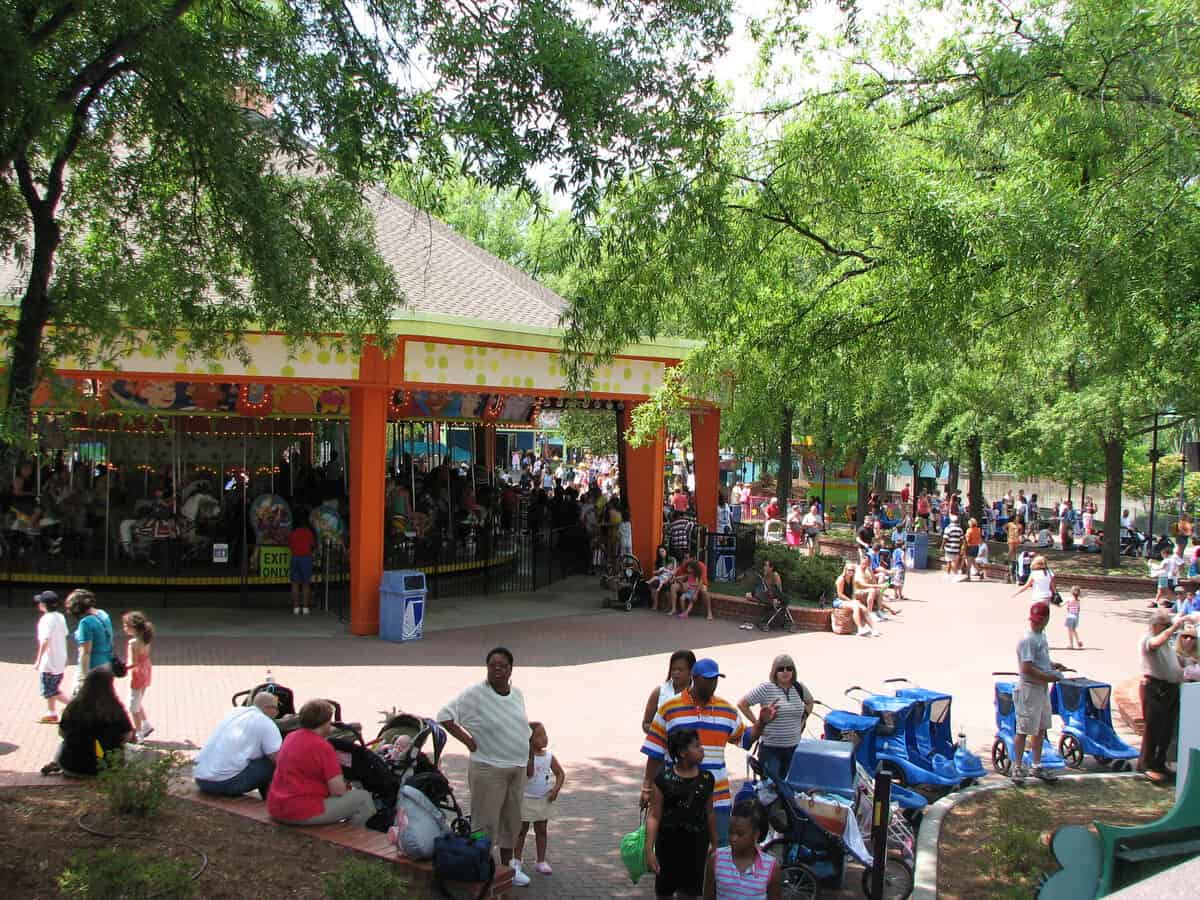
Carowinds says the park remains open. Its statement says other attractions scheduled to operate remain available, subject to normal operating conditions and availability.
What Georgia Investigators Have Established
The fatal incident occurred on Goliath at Six Flags Over Georgia on October 12. Inside the Magic previously covered accounts of the Georgia incident; those early reports should be read alongside the subsequent regulatory update rather than treated as findings about its cause.
In an October 15 statement, Georgia’s Office of the Commissioner of Insurance and Safety Fire said investigators and engineers were examining the ride, its operation, equipment, and records. The agency is conducting the amusement ride safety investigation alongside a separate law enforcement investigation led by Cobb County Police.
The regulator said Goliath’s March 16 inspection recorded no violations, deficiencies, citations, or red tags. It also said the ride remained secured and out of service, with the department responsible for deciding when and under what conditions it could reopen.
That inspection history is relevant evidence. It does not answer what happened during the fatal incident, and the statement did not announce a final cause.
Why the Restraint Question Needs Careful Attribution
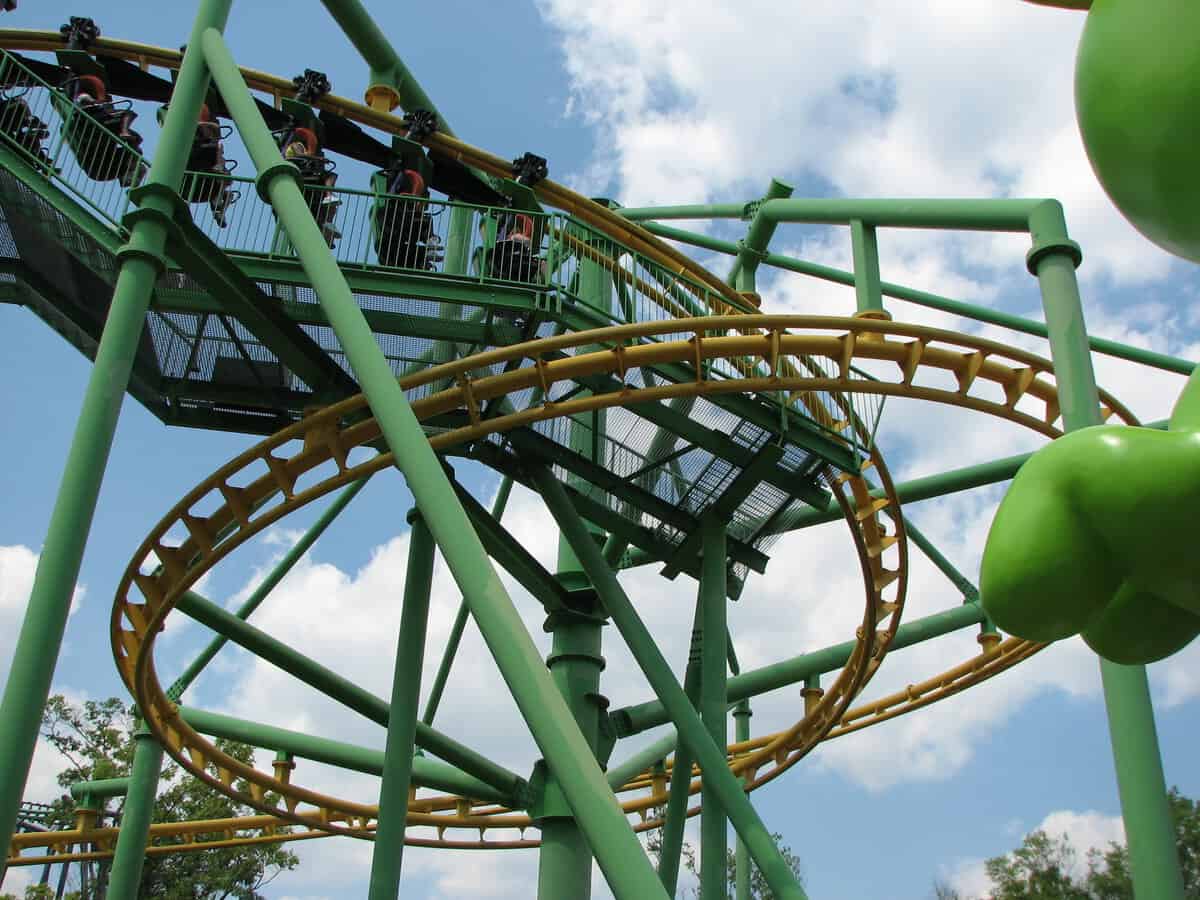
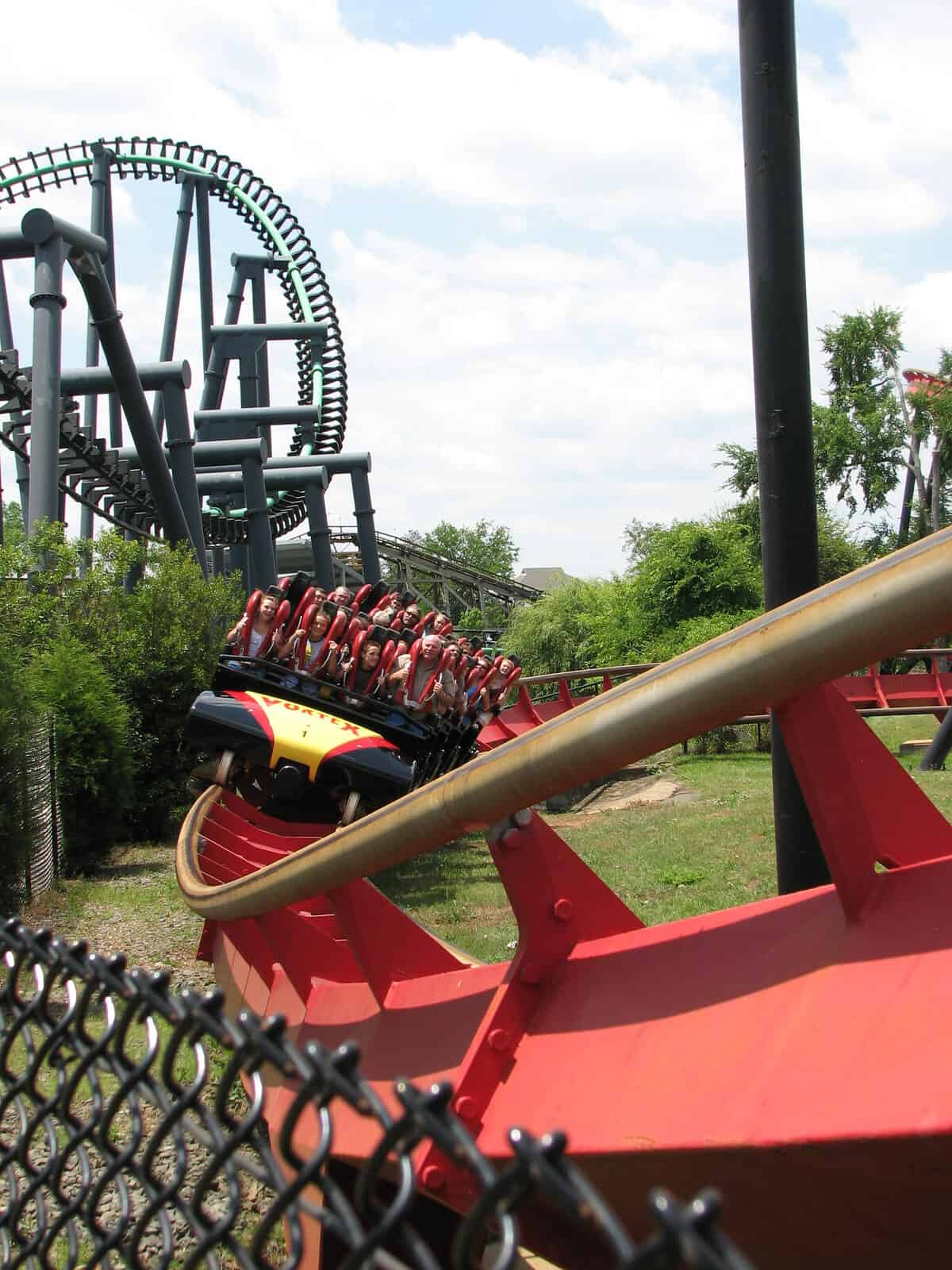
The discussion has focused partly on Bolliger & Mabillard, commonly called B&M, and its clamshell-style lap restraints. Inside the Magic’s previous Carowinds reporting identifies Fury 325 and Thunder Striker as B&M coasters using that style of lap bar.
The same report says both Carowinds attractions also have secondary seatbelts. That detail directly complicates a claim that these closures involve only coasters operating without an additional belt.
Neither Carowinds’ published explanation nor the Georgia regulator’s update establishes a shared restraint defect. Describing the situation as a confirmed design crisis would therefore go beyond the evidence reviewed for this article.
A precautionary closure tells guests that an operator has suspended an attraction while questions remain. It does not, by itself, identify a failed component, prove that a restraint opened, or establish that another ride has the same vulnerability.
What the Wider Response Means for Visitors
The operational consequences extend beyond Carowinds. Inside the Magic previously reported SeaWorld Orlando’s temporary closure of Mako following the Georgia incident, attributing the decision to a park spokesperson.
Responses have also varied. Inside the Magic’s coverage of Hersheypark’s Candymonium update reported the park’s announced plan to resume operations after inspections and consultation. That earlier announcement should not be used as a substitute for checking the attraction’s current status.
For travelers, the practical lesson is to check the individual park and attraction rather than assume that one operator’s decision applies everywhere. A reopening elsewhere does not establish a reopening at Carowinds, just as a closure at Carowinds does not establish a defect elsewhere.
Families building a trip around Fury 325 or Thunder Striker should verify availability before departure and again on arrival. If either attraction is essential to the visit, ask the park directly about available options before changing reservations or purchasing additional products.
What Needs to Happen Next
The immediate unanswered question at Carowinds is why Electro-Spin, Gyro Force, and WindSeeker appear on the closure list. The park’s incident statement names neither those attractions nor a connection between their downtime and the Georgia investigation.
There is also no reopening date for Fury 325 or Thunder Striker in the Carowinds notices reviewed. An absence of a date should be reported as an unknown timetable, rather than converted into a permanent closure announcement.
Inside the Magic has also covered changes to Six Flags’ Fright Fest entertainment. Such operational updates need their own sourcing; timing alone cannot establish why a company made a particular change.
The next meaningful developments would be a Carowinds explanation of the additional closures, a dated reopening announcement, or published investigative findings from Georgia. Until then, guests have a confirmed list of unavailable attractions and a narrower, explicitly stated connection to the fatal incident.