Gravity’s Breaking Point: Why Tragic Roller Coaster Accidents Happen—and What the Odds Really Say

Every summer, millions of theme park visitors willingly strap themselves into roller coaster seats, surrendering control to steep drops, high-speed launches, and dizzying inversions. The amusement park industry thrives on a brilliant psychological contract: delivering the sensory illusion of mortal danger while guaranteeing absolute mechanical safety.
Yet when that contract violently breaks, the psychological fallout is immediate.
Following a fatal fall from a 200-foot hypercoaster in Georgia, the abrupt retirement of an iconic California coaster linked to dozens of brain injuries, and a high-profile death at Universal’s newest resort, public concern over ride safety has surged. As engineering boundaries expand to build taller, faster, and more intense attractions, questions are mounting: Why do people die or suffer devastating injuries on roller coasters? Are parks pushing the limits of the human body too far, and what do the numbers say about the actual risks?
A Chilling Wave of Coaster Casualties
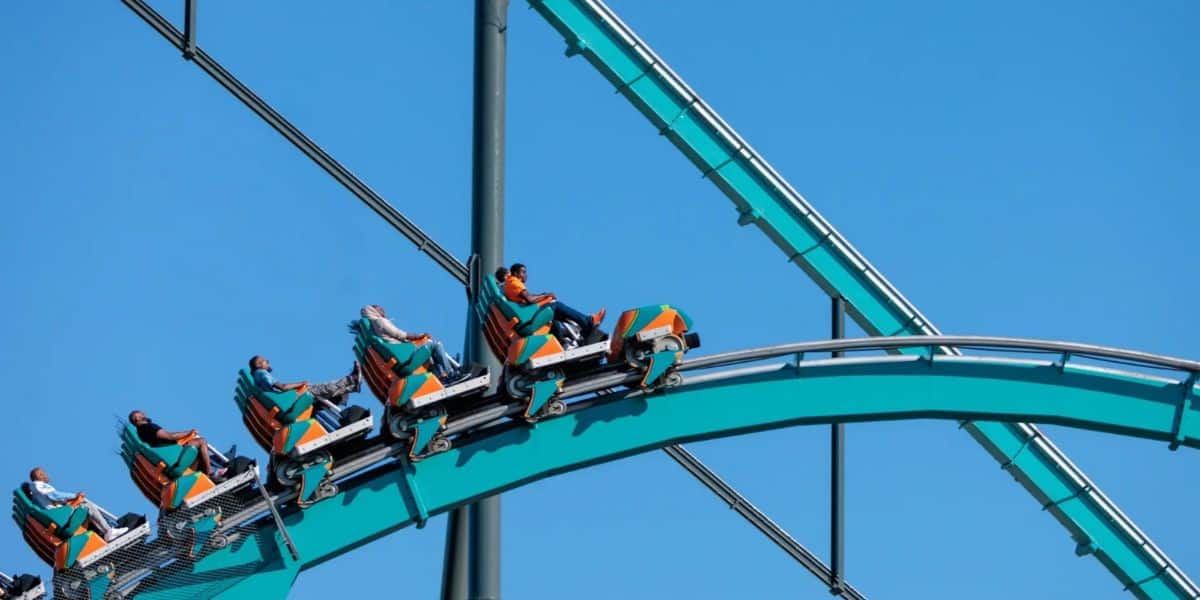
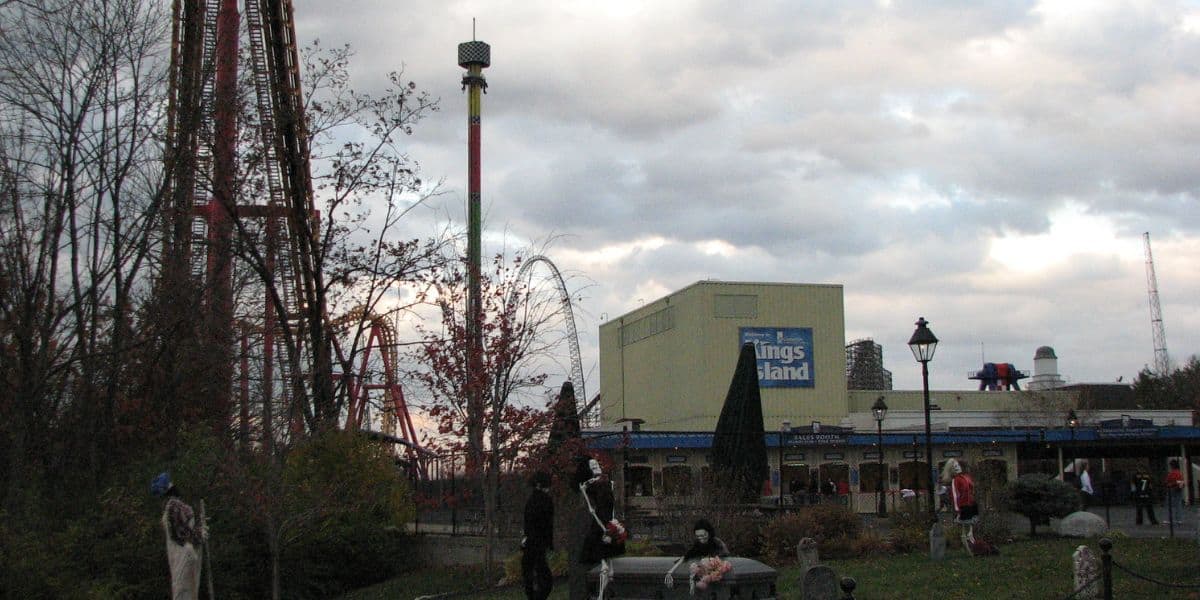
The national scrutiny surrounding ride safety intensified following a horrific accident at Six Flags Over Georgia. On October 12, 2026, Hassan Jihad Ibn Kariem, a 42-year-old father, fell to his death from the Goliath hypercoaster while riding alongside his son. According to Cobb County police, several other passengers were also injured during the event. Six Flags responded by closing Goliath and temporarily shutting down nine similar attractions across six North American parks—including Orion and Diamondback at Kings Island in Ohio—to inspect safety restraints and mechanical components.
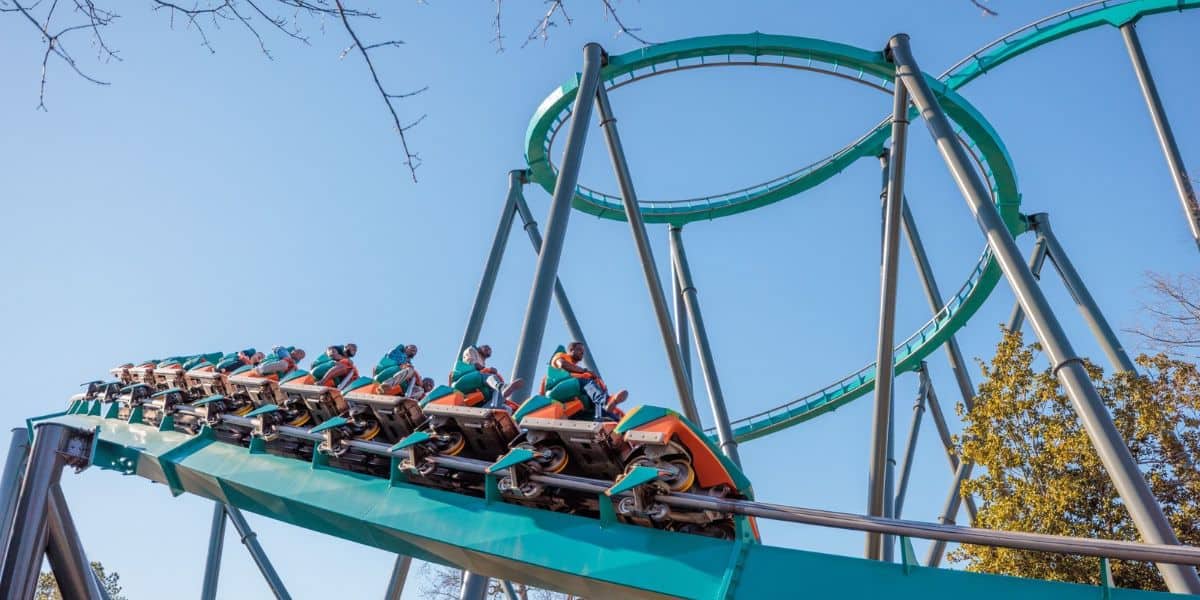
The tragedy came less than two weeks after Six Flags made the sudden decision to retire X2 at California’s Magic Mountain permanently. That closure followed lawsuits filed by firms including Dordick Law Corporation and HHJ Trial Attorneys, representing more than 100 riders who alleged the attraction caused traumatic brain injuries. Known for its independent rotating seats that flip riders during steep dives, the coaster faced mounting backlash after two women required emergency brain surgery in July following rides on the attraction.
These incidents also follow a fatal incident last year involving a guest who rode Stardust Racers, the high-speed dual coaster at Universal Epic Universe in Orlando. While each incident involved unique factors, the cluster of high-profile tragedies has reignited a debate over whether modern rides are crossing dangerous physical thresholds.
The Reality Check: Exactly How Safe Are Thrill Rides?
Despite terrifying headlines, amusement safety researchers and industry leaders emphasize that catastrophic ride failures remain extraordinarily rare.
According to Jakob Wahl, President and CEO of the International Association of Amusement Parks and Attractions (IAAPA), safety is the industry’s most vital asset: “If people don’t feel safe … then we all hurt.”
Data collected by the National Safety Council (NSC) for IAAPA puts the danger in perspective:
- Enormous Ridership: Across North America, more than 385 million visitors safely experience over 1.7 billion rides on permanent amusement attractions annually.
- 1 in 15.5 Million Odds: The statistical likelihood of suffering a serious injury—defined as requiring hospitalization for more than 24 hours or resulting in death—on a fixed-site ride in the U.S. is roughly 1 in 15.5 million.
- Contextual Risk: Data from the CDC, MIT researchers, and the Woods Hole Oceanographic Institution indicate a person is statistically more likely to be struck by lightning, attacked by a shark, or killed in a commercial plane crash than to suffer a severe injury on a fixed-site theme park ride. Mundane daily transit presents vastly higher hazards; the National Highway Traffic Safety Administration (NHTSA) logged 7,770 highway fatalities in the U.S. during the first quarter of 2026 alone.
- A Measurable Spike in Injuries: However, injury figures have recently trended upward. The NSC’s 2024 report tallied 118 serious injuries across North American facilities (accounting for roughly 8% of the 1,360 total reportable injuries). For roller coasters specifically, estimated injuries jumped 44% from 458 in 2023 to 652 in 2024, raising the injury rate from 0.88 to 1.27 per million coaster rides.
Why Accidents Still Happen: Biology, G-Forces, and Guest Factors
When examining why people get hurt on coasters, safety analyses reveal that mechanical failure is seldom the primary cause. In fact, NSC reporting indicates that parks attribute approximately 60% of all ride injuries to guest-related factors, such as rider behavior or pre-existing medical conditions. Technical failures account for roughly 15%, while operational issues represent 9%.
Modern roller coasters subject riders to intense gravitational forces (G-forces), sudden changes in direction, and dramatic acceleration. Cardiologist Dr. Mark L. Meyer cautions that the resulting adrenaline rush rapidly spikes blood pressure and heart rate, while sharp movements strain the neck, spine, and vascular system.
Medical literature has linked high-force rides to rare occurrences of strokes, arterial tears, and intracranial bleeding. For riders with undetected cardiovascular or spinal conditions, that stress can be fatal even if the ride functions perfectly. In 2006, a guest with a congenital heart defect suffered a fatal heart attack on the very same Goliath coaster in Georgia. As Dr. Meyer noted, physiological stress is not the same as inherent mechanical danger—yet for vulnerable passengers, the physical strain can have tragic consequences.
Simultaneously, safety officials warn that physical intensity is increasing. David Bertozzi, president of the National Association of Amusement Ride Safety Officials (NAARSO), acknowledged that coasters have become “a little more risky” over the years as engineers recalculate G-forces to satisfy the demand for bigger and faster thrills.
The Engineering Shield and America’s Regulatory Patchwork
To protect riders, modern coaster manufacturing utilizes aerospace-grade standards. Jim Seay, president of Premier Rides and former chair of ASTM International’s Committee F24, explained that rides are designed using the same digital stress simulations applied to aircraft. Every steel component and bolt carries chemical mill certifications, and rides undergo months of testing with weighted dummies, during which engineers intentionally trigger system failures to verify automated emergency stops. Furthermore, modern coasters feature dense networks of sensors; as former ASTM board member Franceen Gonzales pointed out, unscheduled ride stops are almost always caused by computer sensors halting an attraction when an operational variance is detected.
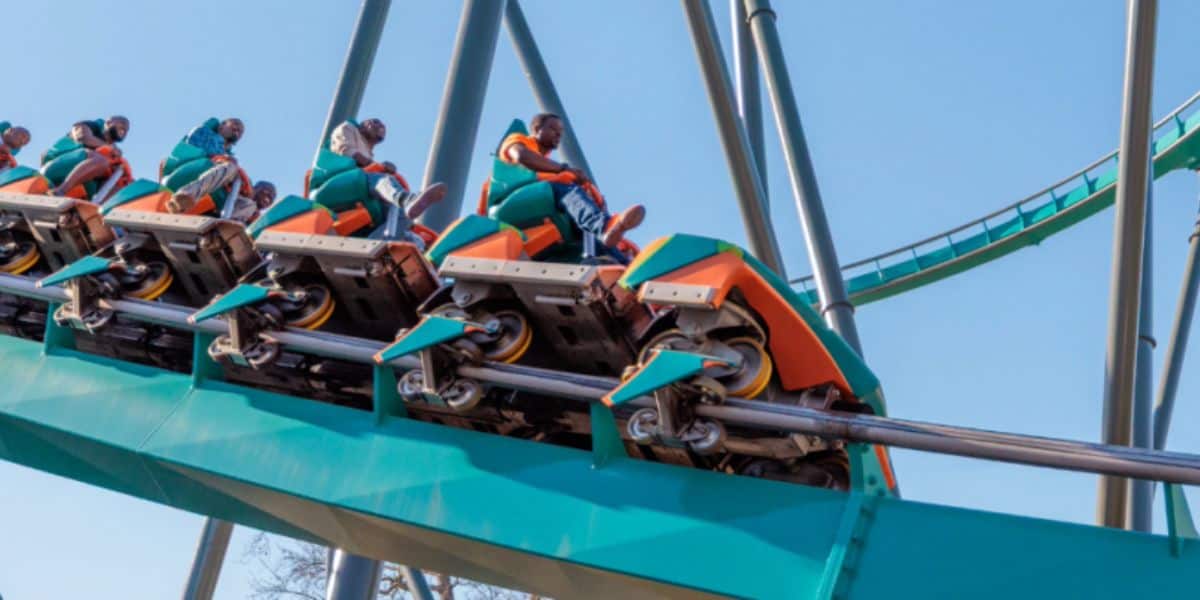
However, government oversight remains fractured. The United States lacks a federal agency overseeing permanent amusement parks, leaving regulation to a patchwork of state and local laws. While states like New York and Georgia enforce mandatory inspection programs, others have minimal oversight or lack mandatory inspections entirely. Bertozzi warned that inspectors in unregulated states often lack the legal authority to shut down a ride even when serious hazards are spotted.
Compounding this, morning inspections cannot catch every hidden flaw. Mechanics conduct daily visual and operational checks, but detecting internal structural fractures or examining internal seat restraints requires non-destructive testing scheduled at broader intervals.
When tragedies occur, legal accountability turns toward whether park operators overlooked warning signs or failed to maintain equipment properly. While thrill seekers willingly embrace the sensation of fear, they never consent to preventable negligence. As coasters reach for 300 feet and beyond, maintaining strict engineering and regulatory boundaries remains the only thing keeping exhilarating screams from turning into real-world nightmares.